
Reviewed · MARKETS AND BAZAARS
Mysuru Through its Markets
Follow the smells, colors, and small-town rhythms. Mysuru Through its Markets gives you a close look at the city beyond its grand palace, moving through old bazaars, sweet shops, craft workshops, and local refreshment stops. I like the way the walk connects everyday commerce with Mysuru’s royal and colonial past, and I especially like the food stops, from Mysore Pak to traditional soda and evening tiffin-style refreshments. The main drawback is simple: three hours on foot can feel warm and tiring, and the tour does not include bottled water.
This is a small-group outing, limited to 14 people, with a local English-speaking guide and snacks included. Guides such as Arun, Souharda, and Nishchal have led the walk, and the strongest praise goes to their friendly manner, clear explanations, and willingness to adjust the route around personal interests. At $48 per person, it costs more than wandering Devaraja Market alone, but the added value comes from interpretation, introductions to local shops, and tastings you may not find on your own.
In This Review
- Key points at a glance
- Why Mysuru’s markets are worth your morning
- Starting at Dufferin Clock Tower
- One hour inside Devaraja Market
- Mysore Pak at Hotel Vishnu Bhavan
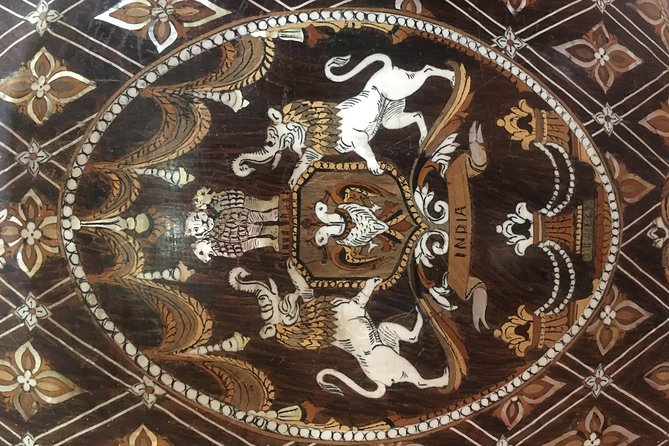
- Inlay work at Arun Fine Arts
- Town Hall and the two clock towers
- Soda at Brahmin’s Soda Factory
- What the guide adds to the experience
- Is $48 a fair price?
- Timing, comfort, and practical advice
- Who should book Mysuru Through its Markets?
- Final verdict
- FAQ
- How long does Mysuru Through its Markets last?
- Where does the tour start?
- Where does the tour finish?
- What is included in the price?
- Is bottled water included?
- How many people can join the tour?
- Can I cancel for a full refund?
Key points at a glance
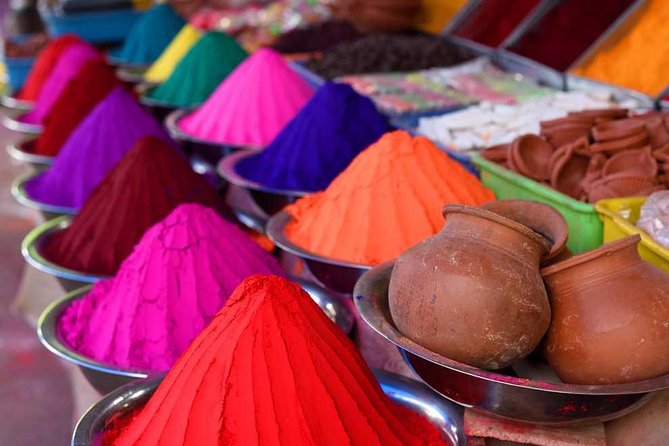
- Devaraja Market brings Mysuru’s daily life into focus: Expect flowers, incense, spices, vermilion, produce, and local traders in one historic bazaar.
- The food stops are a real strength: You taste Mysore Pak at Hotel Vishnu Bhavan and soda at the old Brahmin’s Soda Factory.
- Small groups make the market walk easier: The maximum group size is 14, a useful limit in crowded lanes and narrow shops.
- Crafts receive proper attention: At Arun Fine Arts, you learn about Mysuru’s traditional inlay work rather than simply passing a shop window.
- The route links old and newer landmarks: Dufferin Clock Tower, Town Hall, and Dodda Gadiyaara help explain how the city developed.
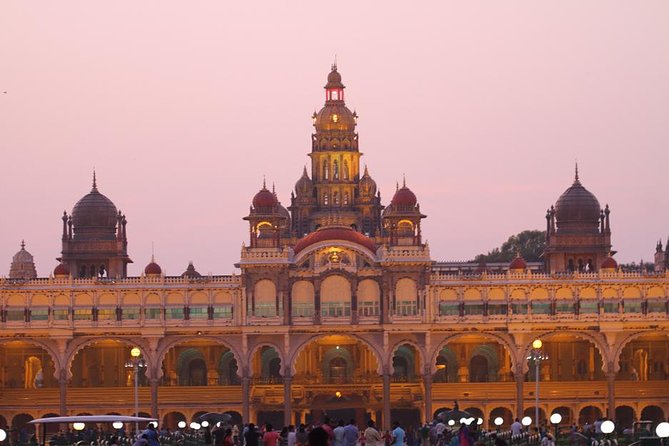
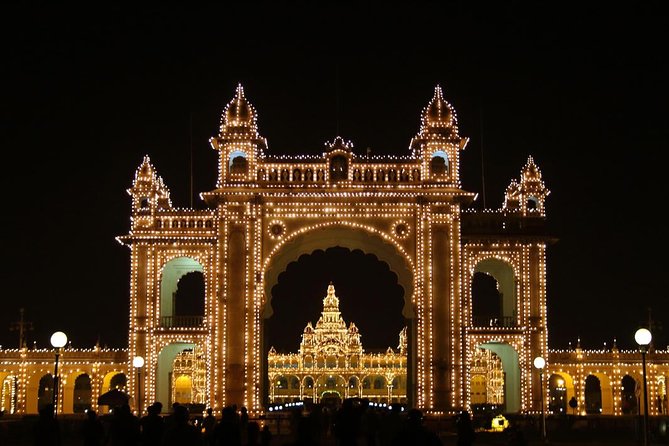
- Sunday has an extra visual reward: On Sundays and special holidays, you may see Amba Vilas Palace fully lit.
Why Mysuru’s markets are worth your morning
Mysuru is famous for Amba Vilas Palace, but the city makes more sense when you see where people shop, eat, pray, and earn a living. This walk takes you through the center of town, where old structures share space with flower sellers, sweet makers, jewelry workers, and produce merchants.
I like this approach because the market is not treated as a colorful photo stop only. The guide helps connect what you see with Mysuru’s past. You get architecture, food, crafts, and local routines in one outing, without spending the whole day inside monuments.
The walk lasts about three hours and returns to the starting point at Kote Sri Anjaneya Swamy Temple, near Jayarama Gate in the Agrahara area. That makes the logistics fairly simple. You do not need to arrange a separate ride from the end, and the starting area is near public transportation.
The tour is especially useful early in a Mysuru visit. You get your bearings, learn the names of central landmarks, and can return later to shop for silk, incense, jewelry, or other local goods with a better idea of what you are seeing.
More Markets and Bazaars in India:
- Mumbai: Street Food and Night Markets Tour
★ 4.9 · 719 reviews - Delhi Food Walk: Rickshaw Ride, Street Eats & Market Tour
★ 5.0 · 401 reviews - Old Delhi Street Food Tour – Explore Spices in Chandni Chowk
★ 5.0 · 334 reviews
Starting at Dufferin Clock Tower
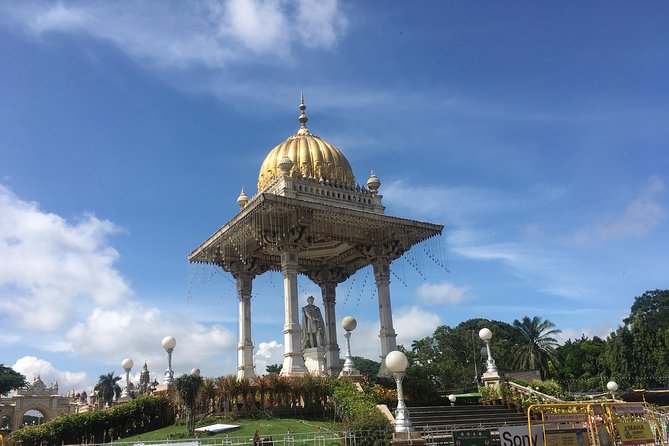
The tour begins at Dufferin Clock Tower, also called Chikkagadiyara. Built in 1886, it is one of the city’s older heritage structures and a useful first marker for the walk.
The stop lasts around 15 minutes and has no admission charge. That may sound brief, but it gives the guide time to explain the setting before you enter the market streets. I appreciate this kind of beginning because it prevents the walk from becoming a string of unrelated shops.
The clock tower also prepares you for one of the tour’s main themes: Mysuru’s layers of time. Royal rule, public buildings, religious sites, trade, and modern city life all sit close together here.
One hour inside Devaraja Market
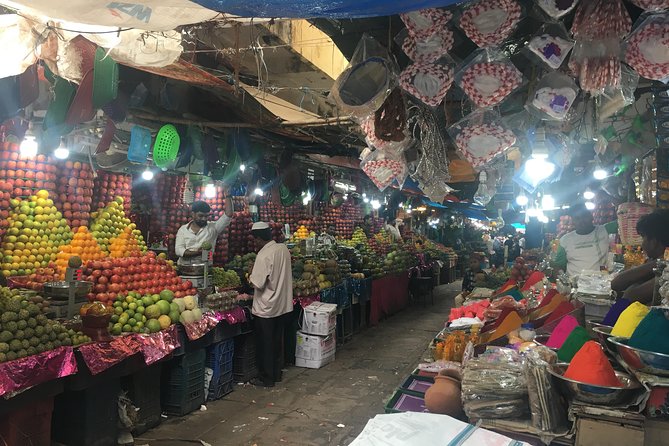
Devaraja Market is the center of the experience. Plan on spending about an hour here, which is enough time to move at a steady pace while pausing for explanations and photographs.
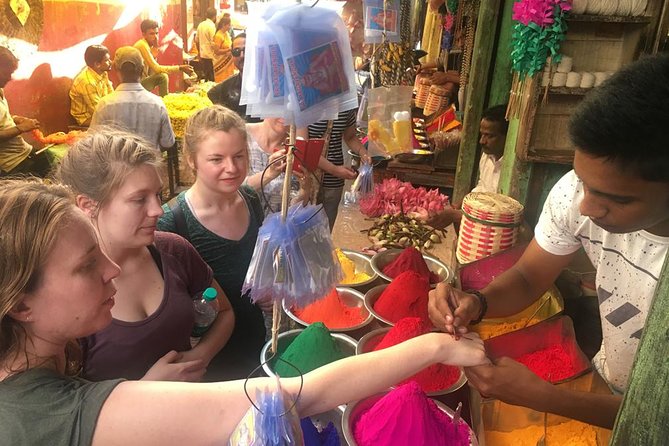
The market dates from the period of Tipu Sultan’s rule and remains a place where local traders sell everyday and ceremonial goods. You can expect to see flower garlands, incense, spices, fresh produce, and conical piles of vermilion. The colors are strong, but the real pleasure is watching the work behind them: goods arranged, weighed, carried, and sold as part of ordinary city life.
The flower section should be a highlight for anyone who enjoys photography. Garlands and loose blooms create bright patterns, while the market’s ambient light gives photographs a softer, less staged look. Ask before photographing people or shop interiors, and keep your camera from blocking the narrow passageways.
The produce area gives the walk a different feel. Instead of looking at souvenirs, you see what people actually buy for their kitchens and homes. The guide can help explain unfamiliar ingredients and point out how the market functions as a working place rather than a display for visitors.
The walk also includes contact with bangle and jewelry makers, along with local shops connected to Mysuru’s craft traditions. Some stops may focus on incense or natural aromatic oils. One particularly appealing part of the experience is seeing how these products are made and sold, rather than simply buying finished items from a tourist shop.
You should expect noise, crowds, uneven pacing, and plenty of sensory stimulation. Devaraja Market is not polished or quiet. That is part of its value, but it may not suit you if you prefer a calm sightseeing route with lots of open space.
Mysore Pak at Hotel Vishnu Bhavan
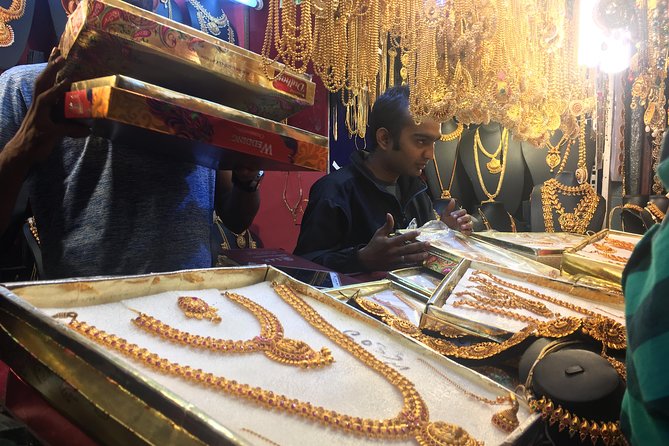
After the market, the tour stops at Hotel Vishnu Bhavan for a taste of Mysore Pak. The stop takes about 15 minutes and focuses on the sweet’s origin as well as its flavor.
Mysore Pak is closely tied to the city’s culinary identity. A short tasting is useful because it gives you a reference point for later shopping. You can decide if you prefer a softer, richer piece or a firmer version, depending on what is available.
I like that the snack is built into the walk rather than left as an optional purchase. Food helps explain a place quickly, and a sweet linked to Mysuru gives the historical discussion a practical, edible ending.
Do not expect a full meal here. Snacks are included, but the tour does not list lunch or dinner. If you need substantial food, plan to eat before or after the walk.
A completely different kind of day out:
- Old & New Delhi City Tour – Half or Full Day Options Available
★ 5.0 · 4,811 reviews - Old & New Delhi City Tour – Choose Half or Full Day Experience
★ 5.0 · 4,513 reviews - Same Day Taj Mahal, Agra Fort & Baby Taj Tour from Delhi by Car
★ 5.0 · 4,304 reviews - Taj Mahal Day Tour from Delhi by Superfast Train – TOP RATED TOUR
★ 5.0 · 4,166 reviews
Inlay work at Arun Fine Arts
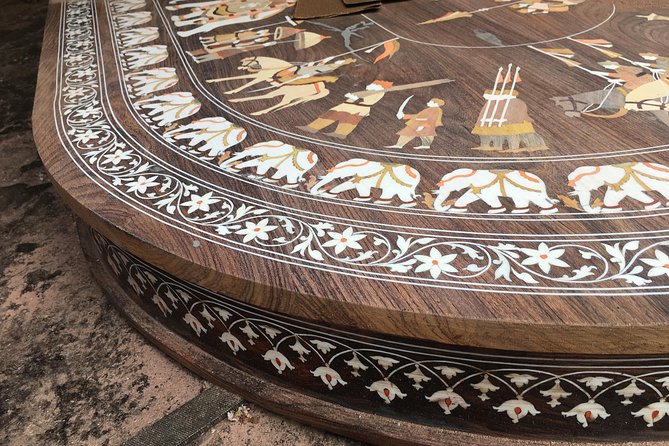
The next stop, Arun Fine Arts, lasts around 30 minutes. It offers an introduction to Mysuru’s inlay work, a craft tradition connected to the city’s long support for art and culture.
This is one of the more useful stops for anyone considering a purchase. You get a chance to understand the skill involved before deciding if a piece is worth your money. The guide can help you look more carefully at the materials, patterns, and labor instead of treating every decorative object as the same.
The stop also gives the walk a break from the open market. After flowers, produce, and street activity, a craft workshop offers a quieter setting and a closer look at a particular local skill.
The practical point is to treat shopping as optional. The tour includes the visit, not your purchases. You are free to look, ask questions, and leave without buying. If you do want something, keep personal spending in mind because it is not covered in the tour price.
Town Hall and the two clock towers
Rangacharlu Memorial Hall, now called Mysore Town Hall, receives about five minutes. Constructed in 1884 in memory of Diwan Sir C. V. Rungacharlu, it adds a public and administrative chapter to the city’s story.
This is a short exterior-style landmark stop, not a long museum visit. Its value lies in the explanation. The guide can place the building in the period after the restoration of the Mysore monarchy and show how civic institutions grew alongside royal power.
The route then reaches Dodda Gadiyaara, meaning Big Clock Tower. This tower was built in 1972 to mark the silver jubilee of 25 years of Krishnaraja Wodeyar IV’s rule. The stop lasts around five minutes.
Taken together, the two clock towers are a neat visual lesson. Dufferin Clock Tower represents the late nineteenth century, Town Hall reflects civic development, and Dodda Gadiyaara brings the story into the twentieth century. You may not spend long at either clock tower, but the sequence helps make the city’s timeline easier to follow.
Soda at Brahmin’s Soda Factory
The final scheduled stop is Brahmin’s Soda Factory, where you try soda from one of the city’s oldest pop soda makers. The stop lasts about 20 minutes and includes an explanation of the drink’s origin.
This is the kind of small local detail that makes the walk memorable. It is not a famous palace or a grand monument. It is a taste of a city habit, tied to a particular maker and place.
Some walks also include a traditional sarsaparilla drink, and the tour description refers to the evening habit of tiffin and coffee, shaped in part by Mysuru’s colonial connections. The exact snack or drink offered can depend on the itinerary and local conditions, so you should treat these as included tastings rather than a guaranteed full food tour.
The stop works well at the end because it gives you time to sit with the day’s impressions. It also shows that Mysuru’s food culture includes more than sweets and South Indian meals. Small drinks and refreshment traditions can tell you plenty about local habits.
What the guide adds to the experience
The guide is the main reason to choose this tour instead of walking the same streets alone. A market can be easy to visit but hard to understand. Without context, flower sellers, craft shops, old buildings, and religious sites may blur into one busy scene.
Arun has been praised for helpful communication and for making solo visitors feel well looked after. Souharda has been noted for enthusiasm, strong historical explanations, and adding a few extra places based on personal interests. Nishchal has been appreciated for a friendly approach and for showing how local shops work.
Those details matter because this is not a lecture-heavy sightseeing tour. The best version of the walk mixes history with conversation, food, and observation. You can ask about a spice, a craft, a building, or a drink as you go.
The group limit of 14 is another plus. A smaller group is easier to keep together in the market, and you have a better chance of hearing the guide. It is still a group outing, so the pace and interests will not be entirely yours, but the size is reasonable.
Is $48 a fair price?
At $48 per person, the tour is not the cheapest way to see Devaraja Market. You can enter the market for free and explore the clock towers without paying admission. If you only want photographs and a quick walk, hiring a guide may not feel necessary.
The price becomes easier to justify if you want explanation and tastings. Your fee covers the local English-speaking guide, taxes and fees, and the snacks listed in the route. You also get a planned three-hour experience that links seven stops rather than leaving you to work out the connections.
I see the strongest value in the access to interpretation. A flower market is attractive on its own, but learning about incense, aromatic oils, inlay work, Mysore Pak, and soda gives the visit more lasting value. The price is also more reasonable for solo visitors, who may find a private guide costly.
Group discounts may make the outing more appealing for families or friends. Personal expenses, alcohol, and bottled water are not included, so bring money for anything you decide to buy and carry water with you.
Timing, comfort, and practical advice
The exact meeting point is Kote Sri Anjaneya Swamy Temple at Jayarama Gate, Chamaraja Circle, in Agrahara, Mysuru. The walk ends back at this same meeting point.
Wear comfortable shoes. The route lasts three hours and includes market lanes, several standing stops, and time on foot between landmarks. Most people can take part, but anyone who finds heat, crowds, or extended walking difficult should consider that before booking.
Carry bottled water because it is not supplied. The experience requires good weather, and poor conditions can lead to a change of date or a full refund. A minimum number of participants is also required, so a cancellation is possible if that number is not reached.
Confirmation is normally sent at booking. If you book within 18 hours of the start time, confirmation comes as soon as possible and depends on availability. Free cancellation is available up to 24 hours before the start time. Inside that window, changes and refunds are not accepted.
The fully lit Amba Vilas Palace is an extra visual benefit on Sundays and special holidays. It is not the central stop of the market walk, so do not book this experience as a palace tour. Think of the lighting as a bonus that may fit your day in Mysuru.
Who should book Mysuru Through its Markets?
I would choose this walk if you want local food, working markets, small craft details, and city history in one compact outing. It is particularly good for first-time visitors, photographers, solo visitors, and anyone who prefers ordinary streets to a long list of formal monuments.
You will get the most from it if you ask questions and stay curious. Look at how flowers are arranged, notice the way spices are displayed, compare the market with the civic buildings, and use the tastings as clues to Mysuru’s food culture.
I would skip it if you dislike walking in crowded markets, want a private itinerary, or are mainly interested in palace interiors. The tour is also not a substitute for a full food tour or a shopping trip, since snacks are limited and purchases cost extra.
Final verdict
Mysuru Through its Markets is a well-balanced introduction to the city’s everyday side. The best parts are Devaraja Market, the inlay work stop, and the local tastings at Hotel Vishnu Bhavan and Brahmin’s Soda Factory. The friendly guides, small group size, and clear historical links make the $48 price easier to accept.
Book it near the start of your stay if you can. You will leave with a better sense of Mysuru’s center and a useful list of places to revisit on your own. Just bring water, wear good shoes, and remember that the experience is about streets, shops, and local routines, not palace admission.
FAQ
How long does Mysuru Through its Markets last?
The experience lasts approximately three hours.
Where does the tour start?
It starts at Kote Sri Anjaneya Swamy Temple, Jayarama Gate, Chamaraja Circle, Agrahara, Mysuru, Karnataka 570004, India.
Where does the tour finish?
The walk ends back at the meeting point.
What is included in the price?
The price includes a local English-speaking guide, all fees and taxes, and snacks mentioned in the route.
Is bottled water included?
No. Bottled water is not included, so you should bring or purchase your own.
How many people can join the tour?
The maximum group size is 14 people.
Can I cancel for a full refund?
Yes. You can cancel up to 24 hours before the experience start time for a full refund. Cancellations or changes made less than 24 hours in advance are not accepted.
Just added in India
- Five Days Golden Triangle Tour with Ranthambore Delhi Agra Jaipur★ 5.0 · 11 reviews
- 5 Days Golden Triangle Tour with Ranthambore India★ 5.0 · 10 reviews
- 5 Days Golden Triangle Tour with Ranthambore Delhi Agra Jaipur★ 5.0 · 11 reviews
- 5-Day Private Luxury Golden Triangle Tour From Delhi★ 5.0 · 45 reviews
- Delhi, Agra, Jaipur & Ranthambhore Tiger Safari 5-Day Tour★ 5.0 · 47 reviews
- Private 5 Days Golden Triangle Tour – Visit Delhi Agra and Jaipur★ 5.0 · 26 reviews
- 5-Day Private Delhi, Agra and Jaipur with Ranthambhore Tiger Tour From Delhi★ 5.0 · 44 reviews
- 5-Day Private Golden Triangle Tour: Delhi, Agra, and Jaipur★ 5.0 · 62 reviews
Markets and Bazaars, compared.
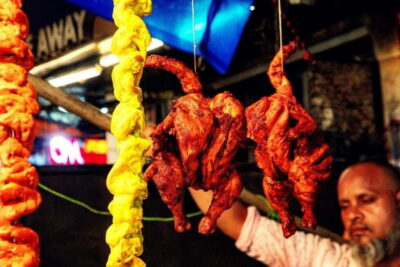
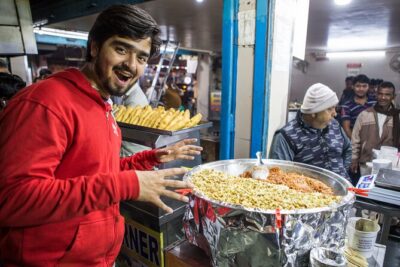
Delhi Food Walk: Rickshaw Ride, Street Eats & Market Tour
Read our review →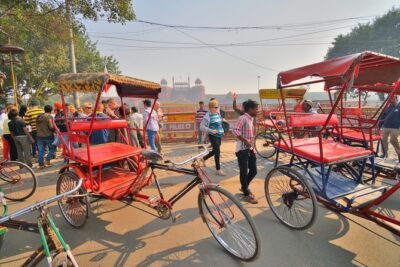
Old Delhi Street Food Tour – Explore Spices in Chandni Chowk
Read our review →
Private Heritage Walking Tour in Jaisalmer Fort and Old Bazaar
Read our review →
Old Delhi Food-Spice Market-Temples Tour Soon Featured on NETFLIX
Read our review →
Chandni Chowk Delhi Food Tour with 15+ Tastings
Read our review →
Browse the lists this tour appears in