
Reviewed · FOOD TOURS
Heritage Walk & Street Food Tasting in Jaipur
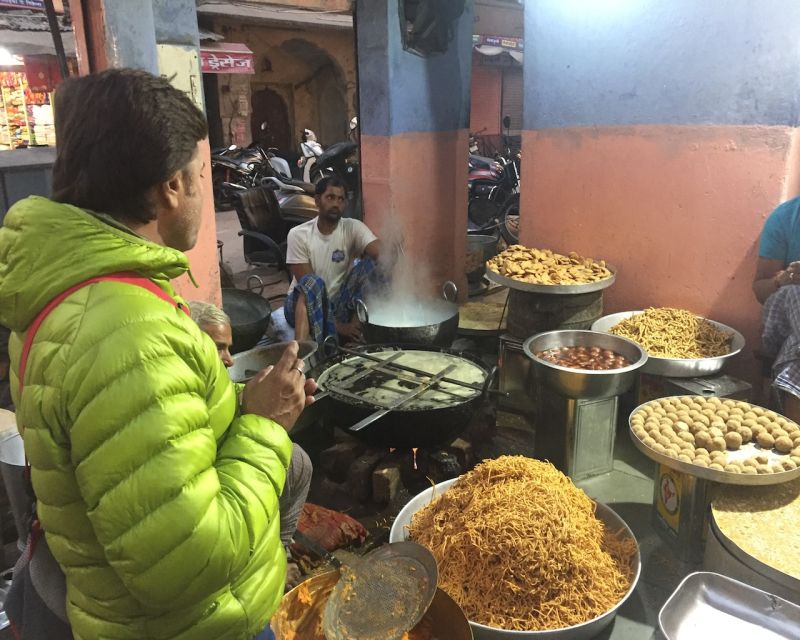
Jaipur tastes best on foot. This three-hour walk combines samosas, kachoris, sweets, and masala chai with old-city lanes, market life, temples, craftspeople, and stories about the Pink City. At $21 per person, it offers a lot for the money, especially if you want more than a quick snack stop.
I like the way the tour gets you beyond the main lanes and into the gullies of historic Jaipur. I also like the small-group limit of 10 people, which makes it easier to ask questions and adjust the pace. The main consideration is that this is a proper walking tour, not a gentle stroll, and the food arrives in several rounds. You may be full before the final stop.
Guides such as Vivek, Raj, Kumar, Pushpendra, and Sam have received especially warm praise for their local knowledge, calm manner, and ability to make solo visitors feel comfortable. The experience is run by Rajasthan Cultural Tours, with no stated shopping pressure or hidden agenda.
In This Review
- The best parts of the Jaipur walk
- Starting at Golcha Cinema
- Chaura Rasta: tea, snacks, and city patterns
- Badi Chaupar and the old city’s food culture
- Tripolia Bazar and Jaipur’s working streets
- Choti Chaupar and the final food stops
- Temples, wells, and details you might miss
- What the food experience is really like
- Guides and the feel of a small group
- Is $21 good value in Jaipur?
- Who should book this walk?
- Should you book the Heritage Walk and Street Food Tasting?
- FAQ
- How long does the Jaipur heritage and food walk last?
- Where does the tour begin?
- Where does the tour finish?
- What food is included?
- Is bottled water included?
- What language is the tour conducted in?
- How large is the group?
- Is hotel pickup and drop-off included?
- Is the tour suitable for wheelchair users?
The best parts of the Jaipur walk
- Around 15 food samples at several local stops: Depending on the route and appetite, you may try far more than the advertised samosa, kachori, sweets, and tea.
- Back streets beyond Jaipur’s main lanes: The route leads through old market quarters and smaller gullies that can be difficult to understand on your own.
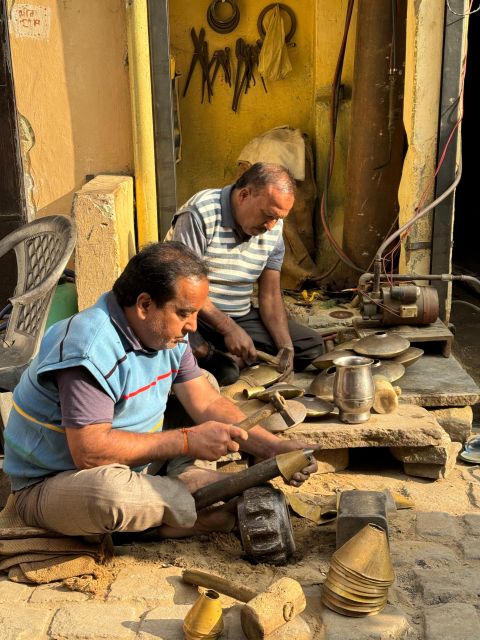
- Craft traditions in everyday settings: You may see metal beaters called Thatheras, bangle makers using sealing wax, and other local artisans at work.
- Architecture with a story: The walk explains Jaipur’s geometric city plan, entry gates, painted houses, markets, temples, and royal connections.
- A reassuring guide for solo visitors: Several guides are praised for their patience, clear explanations, and care with navigation and personal safety.
- Strong value at $21: Food, water, a cultural guide, and a three-hour heritage walk are included, with no hotel transfer needed.
Starting at Golcha Cinema
The meeting point is the entry gate of Golcha Cinema. This matters because the tour does not include hotel pickup, so you need to arrange your own way there. The walk finishes at Chhoti Chopad, also written as Choti Chaupar in the route details, rather than returning to the cinema.
Give yourself time to find the correct gate. One guest accidentally went to the wrong meeting point and had trouble with the map link, but the guide helped coordinate with the driver and adjusted the start. That kind of flexibility is useful, but reading the meeting instructions carefully is still the wiser plan.
The group is limited to 10 people, and the live guiding is in English. A small group suits this setting. Jaipur’s old lanes can be tight, noisy, and crowded, and a large group would make it harder to hear explanations or gather around a food counter.
Wear shoes you can walk in for three hours. Comfortable clothing, sunscreen, a hat, and personal medication are sensible additions. A bottle of water is included, but carrying your own refillable bottle is still a good idea in Rajasthan’s heat.
More Food Tours in Jaipur
- Jaipur Bazaar & Food Walking Tour
★ 5.0 · 281 reviews - Cultural Walk and Food Tasting In Jaipur
★ 5.0 · 118 reviews - Guided Morning Bicycle Tour with Food Tasting in Jaipur
★ 5.0 · 117 reviews
Chaura Rasta: tea, snacks, and city patterns
The first major section is Chaura Rasta, with about 45 minutes of walking, food, and explanation. This is where the tour begins to connect eating with the shape of Jaipur itself.
You may start with masala chai at a local tea shop, along with an early street-food tasting. The chai is not just a warm drink to tick off a list. It gives your guide an easy opening to explain how people use these shops as part of daily life, while you get your first look at the rhythm of the old city.
Expect familiar favorites such as samosa and kachori, along with regional snacks and sweets. The guide helps you understand what you are eating and how to choose from the stalls and small shops. That guidance is valuable if you are concerned about spice, unfamiliar ingredients, or food hygiene.
One guest with very low spice tolerance, a picky diet, and IBS reported eating everything on the tour without problems. That is encouraging, but it is not a guarantee for every stomach. Tell your guide about allergies, medical needs, and spice limits before the food begins.
Chaura Rasta also introduces Jaipur’s precise street plan. The old city was laid out in ordered quarters, often called quadrants, with broad roads and formal entry gates. The contrast between the planned geometry and the tangled side lanes is one of the pleasures of the walk.
Badi Chaupar and the old city’s food culture
The route then moves toward Badi Chaupar for another 45-minute section. Here, the emphasis remains on local snacks, tea, food tasting, and views along the way, but the setting gives the tour more room to explain Jaipur’s public squares and market life.
Badi Chaupar is one of the useful places to pause and understand how the old city connects. You are not simply crossing a square between food stops. You are learning how trade, movement, religion, and daily business fit together in Jaipur’s historic core.
The food portions appear to be generous. One couple tried around 15 different items at roughly six stops and finished very full. Another guest advised skipping breakfast if food is your main reason for booking. I would not arrive starving, but a light breakfast is sensible.
A useful feature is the freedom to ask for adjustments. Guides have tailored choices to personal tastes and helped guests try unfamiliar dishes with more confidence. Still, do not expect a formal sit-down meal or a fixed tasting menu. Street food is served in local shops and stalls, and the exact selection may change with the route, timing, and appetite.
This part of the walk may include sweets, which can arrive earlier than expected. One guest felt that the sweet dishes came before enough savory food. If you prefer to finish with dessert, mention it to your guide at the start.
Tripolia Bazar and Jaipur’s working streets
Tripolia Bazar brings the heritage side of the experience into sharper focus. The planned route allows about 45 minutes for walking, passing through the market, and hearing about the area from your guide.
This is where you may see more than shopfronts. The tour can lead into smaller lanes, courtyards, and working areas that are easy to miss when you stick to Jaipur’s best-known sights. The guide may point out fresco-painted houses, old architectural details, and the relationship between trade and the city’s design.
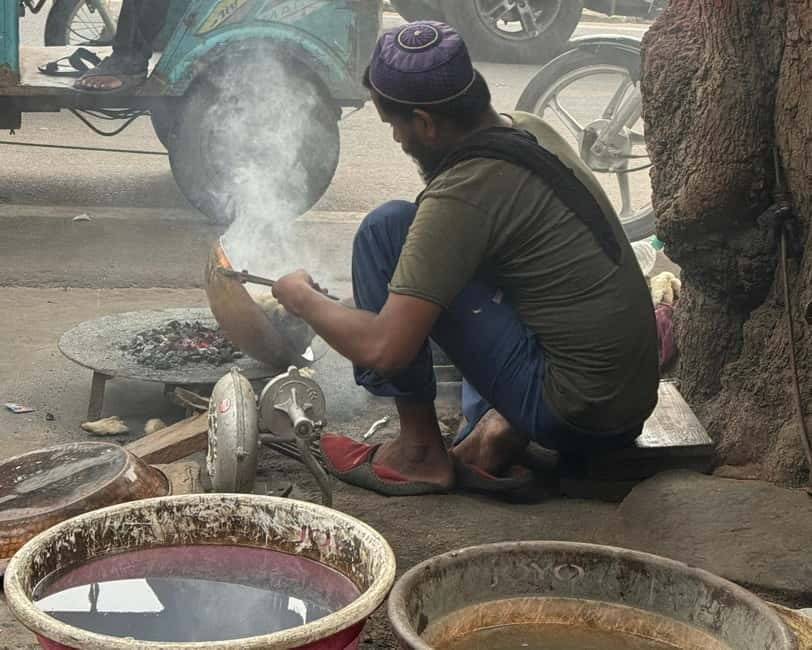
A particularly unusual stop is a street associated with the Thatheras, a community of metal beaters. This kind of encounter gives the walk a human scale. Instead of treating Jaipur as a set of grand palaces, you see the hands and trades that keep its older neighborhoods distinctive.
You may also meet local artisans and watch elements of bangle making using sealing wax. It is a small but memorable detail. The craft is not presented as a stage show. You are seeing a traditional skill in the place where it is practiced, and your guide can explain the work and its place in local life.
This section may be less polished than a palace visit. You will encounter active markets, narrow passages, and ordinary neighborhood scenes rather than carefully arranged monuments. That is precisely its value, but it also means you should be comfortable with a little confusion and sensory overload.
More Walking Tours in Jaipur
- Jaipur Heritage Walk with Rickshaw Ride
★ 5.0 · 105 reviews - Jaipur Heritage Walking Tour – Local life, Havelis and Temples
★ 5.0 · 72 reviews - Food Walking Tour in Jaipur
★ 5.0 · 71 reviews - Jaipur Heritage Walking Tour
★ 4.5 · 31 reviews
Choti Chaupar and the final food stops
The final 45-minute section takes you to Choti Chaupar, with more street food, regional snacks, and tasting. By this point, you will have a better sense of how Jaipur’s food connects to its markets and communities.
The exact dishes are not fixed, but the advertised tasting includes samosa, kachori, famous local sweets, masala chai, and more. The repeated small portions are better understood as a series of introductions than as a single meal. You get to compare textures, spice, sweetness, and preparation styles while moving through the city.
A local guide makes the difference here. You can point to a snack and ask what it is, how it is made, or when people typically eat it. Guides have also explained what to look for when judging street-food quality, which is practical knowledge you can use for the rest of your India trip.
The final stop is Chhoti Chopad. Since transport back to your hotel is not included, make sure you know where you are going next. The finish point is useful if you want to continue exploring the old city, but it is not a door-to-door experience.
Temples, wells, and details you might miss
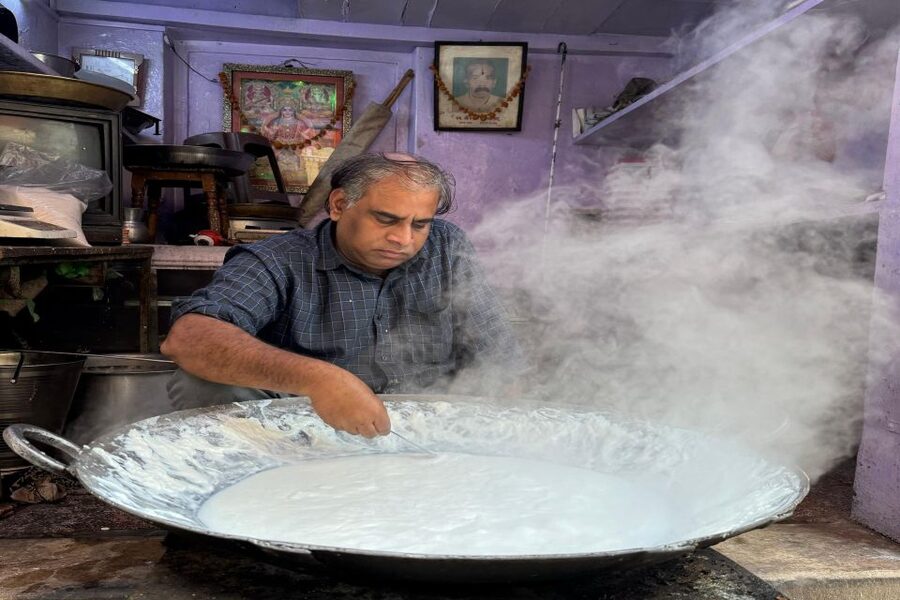
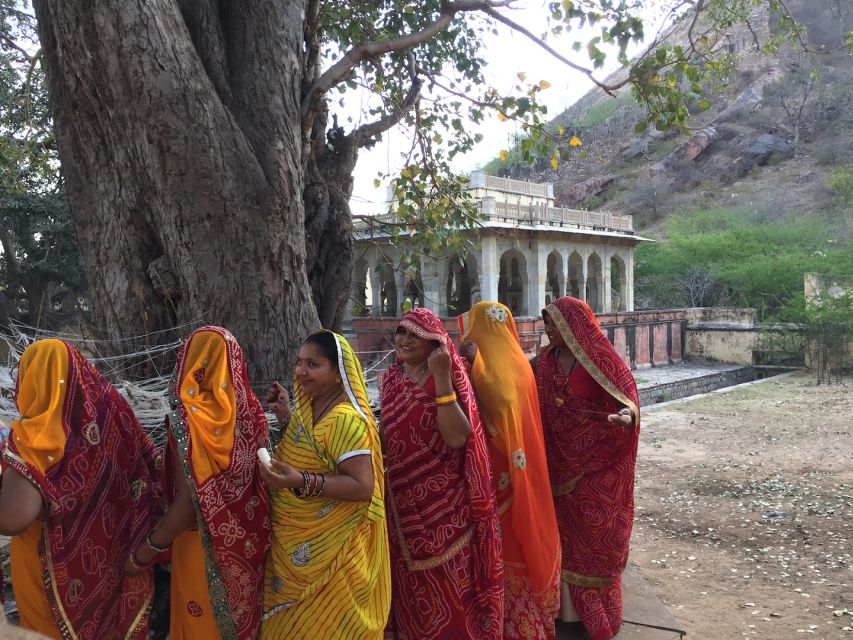
Food is the hook, but the heritage walk gives the tour its lasting value. Along the route, you may visit a Hindu temple, see a community well, and learn why Jaipur’s entry gates and city quarters matter.
Temple visits require basic courtesy. Dress modestly, and do not use flash photography inside temples. Photography is allowed elsewhere, but ask before photographing people or artisans closely. Your guide can help you read the situation.
The community well is another worthwhile detail. It shows how everyday infrastructure shaped neighborhood life. Compared with a famous monument, it may seem modest, but these ordinary structures often explain a city better than another grand façade.
The route also includes fresco-painted houses and Jaipur’s artistic traditions. You may see color and decoration in places that are still part of daily life, rather than only in restored royal buildings. This gives you a more grounded view of the Pink City.
The walking commentary covers architecture, royal history, markets, religion, craft, and local customs. Guides are often praised for answering questions clearly and adapting the discussion to individual interests. Vivek, in particular, has been described as warm, patient, transparent, and closely connected to the local community.
What the food experience is really like
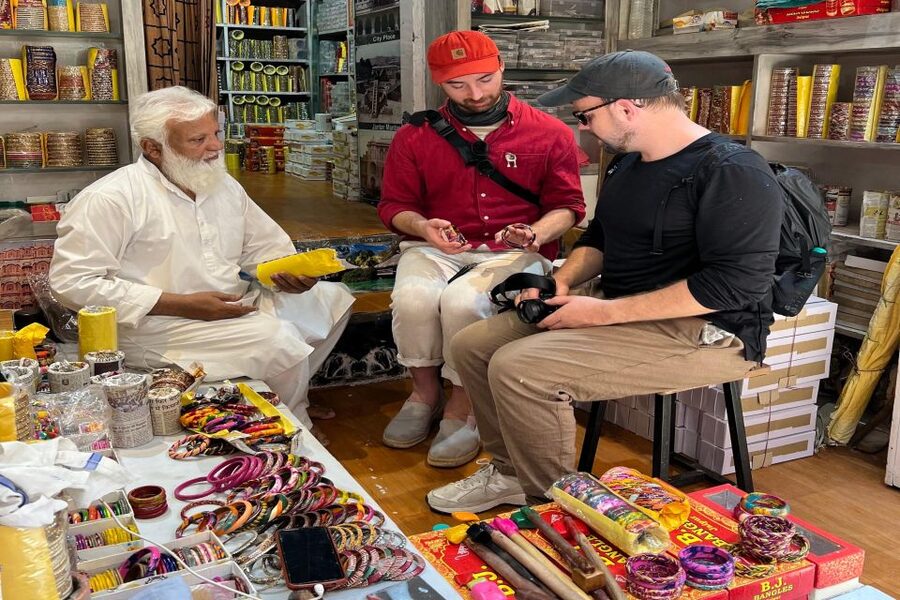
If you want a serious food tour, this is a good introduction to Jaipur’s everyday flavors. You are likely to taste several items rather than receive a single large plate, and the guide explains the dishes as you go.
The food is served at local shops and street stalls, not at restaurants designed for international tourists. That makes the experience feel more direct, but it also means conditions vary. You should be ready for standing, quick stops, and food that may be spicy or rich.
The strong point is trust. Multiple guides have helped visitors choose food with care, and guests from the United Kingdom, Germany, the United States, Australia, and elsewhere reported enjoying the tastings without stomach trouble. Even so, no food tour can remove every risk. If you have allergies, IBS, or strict dietary needs, speak up before accepting anything.
You should also pace yourself. Around 15 tastings can sound exciting at the beginning and formidable by the end. Take small portions, drink water, and do not feel obliged to finish every item.
Guides and the feel of a small group
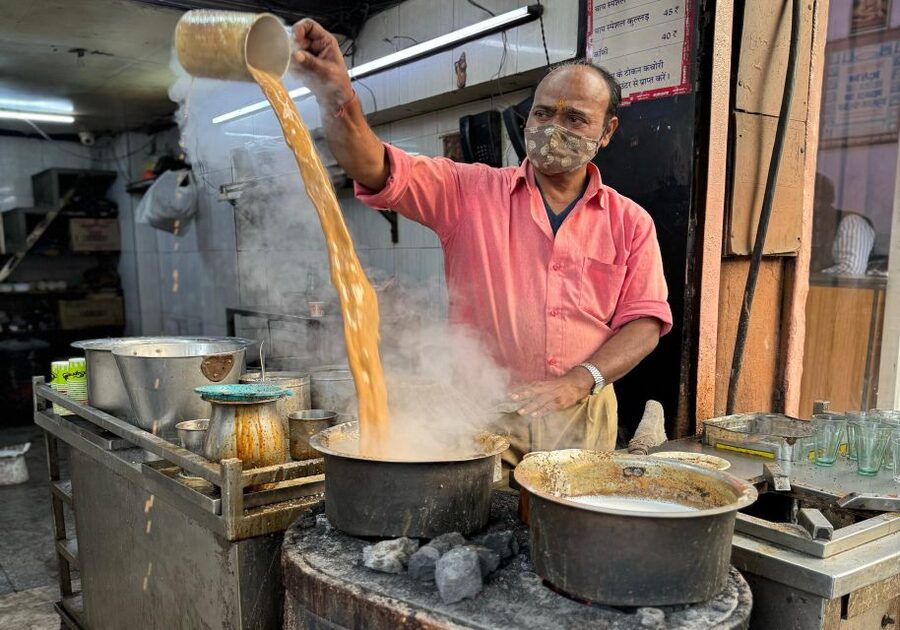
The guide is the heart of this experience. The route itself is useful, but Jaipur’s old city can be confusing without someone who understands its lanes, trades, temples, and food stalls.
Vivek is the most frequently praised guide in the supplied feedback. He has been described as calm, friendly, clear, flexible, and deeply familiar with Jaipur. Guests have extended their time with him to visit the City Palace and Jantar Mantar, although those additional visits are separate from the three-hour food walk.
Raj, Kumar, Pushpendra, and Sam have also led highly praised tours. Kumar is noted for clear speech and interesting stories, while Pushpendra is praised for his welcoming manner and understanding of Indian life and culture. The guide assigned to your date may vary, so do not book solely around one name.
Solo visitors should find the small group reassuring. Several people traveling alone felt safe and relaxed, and guides helped with navigation and onward transport. That does not replace normal urban awareness, but it makes entering unfamiliar lanes much easier.
Is $21 good value in Jaipur?
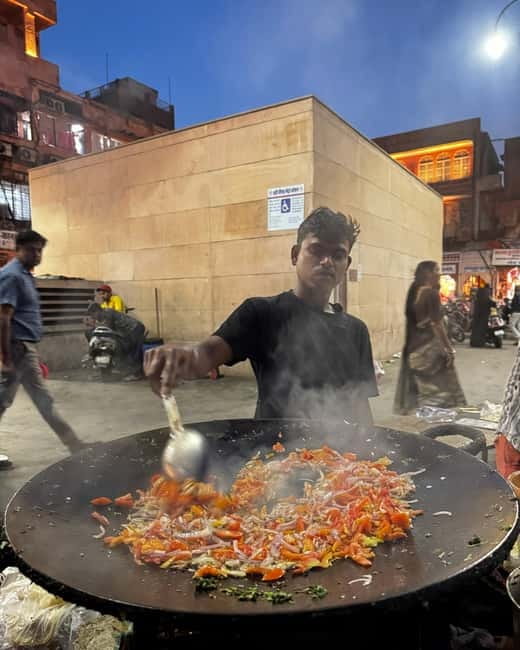
At $21 per person, the price is strong for what is included. You receive the food tastings, bottled water, an English-speaking cultural guide, and three hours of walking through historic Jaipur.
The value is not only in the snacks. A self-guided walk might show you the same broad districts, but you could easily miss the artisan lanes, community well, temple, bangle work, or the explanation of Jaipur’s city plan. You would also have to judge unfamiliar food stalls by yourself.
There are limits. Hotel pickup and drop-off are not included, alcoholic drinks are not included, and the tour is not suitable for wheelchair users. If you dislike walking, crowded markets, or eating at small local stalls, the low price will not make it the right choice.
For most visitors, I see it as a useful first activity in Jaipur. It gives you a sense of direction, introduces foods you can seek out later, and provides context for the larger monuments.
Who should book this walk?
I would recommend it most strongly to food lovers, first-time Jaipur visitors, solo travelers, and anyone who wants local streets rather than only major attractions. It also suits people interested in architecture, crafts, religion, and the practical side of city life.
Families can enjoy it if everyone is comfortable walking and trying unfamiliar food. Picky eaters may do well because guides can adjust choices, but parents should still explain allergies and food restrictions clearly.
This is less suitable for anyone needing step-free access, a fixed restaurant meal, or a quiet sightseeing experience. It is also not the best choice if you want to spend the full three hours inside major monuments. The tour passes through historic areas and explains them, but it is not a palace admission tour.
Should you book the Heritage Walk and Street Food Tasting?
Book it if you want Jaipur explained through its food, lanes, crafts, and people. The strongest reason to choose it is the combination: you are not just eating snacks, and you are not just looking at buildings. You are seeing how the old city works while trying the food that gives it flavor.
I would choose an early or late start after a light meal, wear comfortable shoes, and tell the guide your food limits at the beginning. At $21, the tour is an easy value choice for most visitors who can manage three hours on foot.
Skip it only if walking is difficult, you need guaranteed dietary control, or you prefer formal sightseeing to active street life. For everyone else, this is a practical and friendly way to get your bearings fast in Jaipur.
FAQ
How long does the Jaipur heritage and food walk last?
The experience lasts three hours, with the route divided into roughly four 45-minute sections.
Where does the tour begin?
The meeting point is at the entry gate of Golcha Cinema in Jaipur.
Where does the tour finish?
The tour finishes at Chhoti Chopad, also referred to as Choti Chaupar in the route details.
What food is included?
The tasting includes samosa, kachori, famous sweets, masala chai, and additional local street-food items at local shops.
Is bottled water included?
Yes. One bottle of water is included.
What language is the tour conducted in?
The live tour guide speaks English.
How large is the group?
It is a small-group experience limited to 10 participants.
Is hotel pickup and drop-off included?
No. You need to make your own way to Golcha Cinema and arrange transport after the tour.
Is the tour suitable for wheelchair users?
No. The experience is not suitable for wheelchair users because it involves substantial walking through old-city streets.
Just added in Jaipur
- Jaipur Private Sightseeing Tour – All-Inclusive with Car & Guide★ 5.0 · 16 reviews
- Jaipur Private Tour 2 Days with Car & Guide★ 5.0 · 13 reviews
- Private Jaipur Tour with Guide & All Entry Tickets★ 5.0 · 20 reviews
- Yoga in Jaipur with Amit (Yogi on Travel)★ 5.0 · 17 reviews
- Vintage Walk Amer★ 5.0 · 11 reviews
- Private 4-Day Wildlife & Taj Mahal Tour from Jaipur to Delhi★ 5.0 · 23 reviews
- Wheel Pottery Workshop★ 4.5 · 19 reviews
- Ranthambore Tiger Safari Private Same Day Trip from Jaipur★ 5.0 · 18 reviews
Food Tours, compared.

The Great Indian Food Tour: Old Delhi Food and Heritage Walk
Read our review →

Delhi Food Walk: Rickshaw Ride, Street Eats & Market Tour
Read our review →
Old Delhi Street Food Tour – Explore Spices in Chandni Chowk
Read our review →
Bengali Nights Kolkata Food Tour with 13+ Tastings
Read our review →
Chandni Chowk Delhi Food Tour with 15+ Tastings
Read our review →
Browse the lists this tour appears in