
Reviewed · GOLDEN TRIANGLE TOURS
Golden Triangle Tour 3 Days
Three days covers a lot of India. This private Golden Triangle tour links Delhi, Agra, and Jaipur with a driver, local guides, and a clear route, so you can see the Taj Mahal, Amber Palace, and Old Delhi without arranging every transfer yourself. I especially like the mix of major monuments and everyday places such as Chandni Chowk and a cycle-rickshaw ride.
The private vehicle is another strong point, since your group does not have to follow a large coach or wait for strangers. The main drawback is the pace: Delhi packs nine sightseeing stops into one day, and the long drives to Agra and Jaipur leave little room for wandering or rest. Choose your package carefully, since hotel stays and monument fees depend on the option selected.
In This Review
- Key points to know before booking
- Why this three-day route works
- Day 1: Old Delhi opens the trip
- Jama Masjid and the Mughal beginning
- Chandni Chowk by rickshaw
- Raj Ghat, India Gate, and Delhi’s public memory
- Humayun’s Tomb and the garden-tomb design
- Gurudwara Bangla Sahib and the Lotus Temple
- Day 2: Sunrise at the Taj Mahal and the road to Jaipur
- The Taj Mahal at sunrise
- Agra Fort after the Taj
- Fatehpur Sikri on the way to Jaipur
- Day 3: Jaipur palaces, observatories, and lake views
- City Palace and Hawa Mahal
- Amber Palace in the Aravalli Hills
- Jantar Mantar and Jal Mahal
- Guides, vehicles, hotels, and the real cost
- Who should choose this Golden Triangle tour?
- Should you book it?
- FAQ
- How long is the Golden Triangle Tour?
- Which cities does the tour visit?
- Is this a private tour?
- Is hotel accommodation included?
- Are monument entrance fees included?
- Is transportation provided?
- Is a guide included?
- Is pickup offered?
- How many breakfasts are included?
- Can I cancel for a full refund?
Key points to know before booking
- Old Delhi comes first: Jama Masjid, Chandni Chowk, Raj Ghat, and a rickshaw ride give Day 1 a strong local and historic flavor.
- The Taj Mahal begins Day 2: An early visit is planned around sunrise, when the monument is at its most atmospheric.
- Private touring keeps the schedule flexible: Only your own group takes part, with an air-conditioned vehicle and guide services.
- The route is built for first-time India visits: You see Mughal, Sikh, British-era, Hindu, and Rajput landmarks in one compact trip.
- The $20 price needs careful checking: Accommodation and entrance fees may require a higher package.
- The final day is Jaipur-heavy: City Palace, Hawa Mahal, Amber Palace, Jantar Mantar, and Jal Mahal fill the schedule before the return to Delhi.
Why this three-day route works
India’s Golden Triangle is a natural first trip route because each city offers a different side of the country. Delhi gives you layers of old and new power, Agra centers on Mughal monuments, and Jaipur brings royal palaces, hill forts, and planned-city architecture.
This tour removes the hardest part of a short visit: connecting the cities. You spend the first day in Delhi, drive to Agra for the night, see the Taj Mahal and Agra Fort on Day 2, continue to Fatehpur Sikri, sleep in Jaipur, then return to New Delhi after Jaipur sightseeing on Day 3.
The route is efficient, but it is not slow travel. You will spend several hours in the vehicle, including about three hours from Delhi to Agra, four hours from Agra to Jaipur, and a final drive back to Delhi. That trade-off is fair for a three-day trip, but you should expect early starts and full sightseeing days.
The tour is private, which matters here. Your group can move through the cities without the delays common to large group excursions. An air-conditioned vehicle and unlimited bottled water are included, useful comforts during long road sections.
More Golden Triangle Tours in New Delhi:
- 3-Days Private Golden Triangle Tour: Delhi, Agra & Jaipur by Car
★ 5.0 · 1,107 reviews - 3-Days Private Golden Triangle Tour: Delhi, Agra & Jaipur by Car
★ 5.0 · 1,098 reviews - 3-Day Delhi, Agra and Jaipur Private Tour – India Golden Triangle
★ 5.0 · 812 reviews
Day 1: Old Delhi opens the trip
Jama Masjid and the Mughal beginning
The first stop is Jama Masjid, one of India’s largest mosques. Built by Mughal emperor Shah Jahan between 1644 and 1656, it gives you an immediate sense of Delhi’s imperial past.
The planned visit lasts about 30 minutes. That is enough for a first look and a guide’s explanation, though not enough for a leisurely architectural study. Modest dress is the sensible choice at any house of worship, and your guide can help explain the visit customs.
Chandni Chowk by rickshaw
Chandni Chowk changes the tone completely. The broad historical story gives way to narrow lanes, market stalls, spices, dried fruit, silver jewelry, vivid saris, and small shops selling essential oils.
The listed stop lasts an hour, followed by about 90 minutes on a rickshaw tour. This is one of the best choices in the program because you are not only looking at monuments. You are moving through a working part of Old Delhi, where the streets themselves are the attraction.
The rickshaw ride also saves your feet in an area that can feel crowded and confusing. Keep your expectations practical: this is a brief organized introduction, not an unhurried shopping expedition. If you see something you want to buy, ask your guide how much time is available before stopping.
A few more options to weigh up in New Delhi
- Old & New Delhi City Tour – Half or Full Day Options Available
★ 5.0 · 4,811 reviews - Same Day Taj Mahal, Agra Fort & Baby Taj Tour from Delhi by Car
★ 5.0 · 4,304 reviews - Taj Mahal Day Tour from Delhi by Superfast Train – TOP RATED TOUR
★ 5.0 · 4,166 reviews - Full Day Taj Mahal, Agra Fort & Baby Taj Tour from Delhi by Car
★ 5.0 · 3,647 reviews
Raj Ghat, India Gate, and Delhi’s public memory
Raj Ghat marks the cremation site of Mahatma Gandhi, with a black marble platform and an eternal flame. The planned visit takes about 30 minutes, giving you time for a quiet pause after the noise of Old Delhi.
India Gate is a drive-by stop of roughly five minutes. It is a war memorial honoring soldiers who died in the First World War. Since you mainly see it from the vehicle, do not treat this as a full monument visit. It is a useful city orientation point rather than a major sightseeing session.
Humayun’s Tomb and the garden-tomb design
Humayun’s Tomb receives about 90 minutes, which gives it more breathing room. The monument is important in the development of Mughal architecture and is described as the earliest surviving example of the Mughal garden-tomb plan, with channels and walkways arranged around the structure.
This stop helps you understand the architectural ideas that later appear in the Taj Mahal. I like that the itinerary places it before Agra, since the two sites make more sense when seen as part of the same Mughal tradition.
Gurudwara Bangla Sahib and the Lotus Temple
Gurudwara Bangla Sahib is a major Sikh house of worship associated with the eighth Sikh Guru, Guru Har Krishan. The schedule allows 90 minutes, enough time for a proper introduction to the site and the Sikh practice of langar, the communal meal tradition.
A guide can add real value here. The first-day feedback specifically praises Kaushal for being patient, explaining Jama Masjid clearly, and discussing Sikh social work and philosophy at Bangla Sahib. Guide assignments can vary, but that is the kind of interpretation that makes the stop more than a quick photograph.
Rashtrapati Bhavan receives only about ten minutes, while the Lotus Temple receives 30. The presidential residence, formerly the Viceroy’s House, is primarily a passing view in this schedule. The Lotus Temple, a Baháʼí House of Worship dedicated in 1986, is recognized for its lotus-shaped design.
After Delhi, you drive about three hours to Agra for the night. Hotel accommodation and breakfast are included only if you select the relevant package, so check the booking choice rather than assuming the lowest advertised price covers everything.
Day 2: Sunrise at the Taj Mahal and the road to Jaipur
The Taj Mahal at sunrise
The Taj Mahal is the emotional center of the tour. The plan calls for an early-morning visit at sunrise and allows about three hours, a sensible amount of time for the mausoleum, grounds, photographs, and commentary.
The monument was commissioned in 1632 by Mughal emperor Shah Jahan and sits beside the Yamuna River in Agra. Sunrise is a smart choice because the light changes across the ivory-white marble, and an early visit leaves more of the day for Agra Fort and the road east.
A guide is particularly useful here for explaining the building’s purpose, design, and place in Mughal history. If your package includes monument fees, admission is covered. If not, confirm the exact inclusions before booking, as the tour offers different combinations.
Agra Fort after the Taj
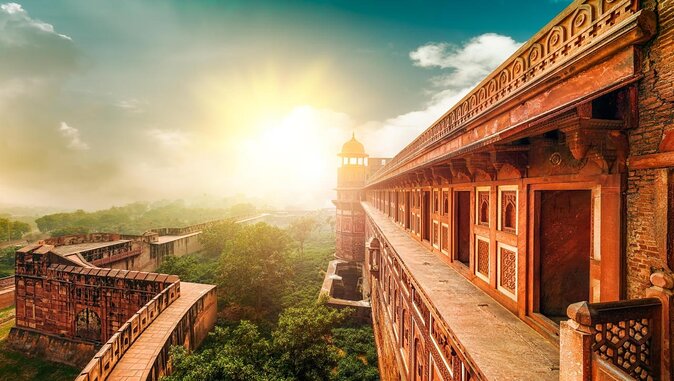
Agra Fort follows with about two hours. It was the imperial residence of the Mughal dynasty and is a UNESCO World Heritage site.
The pairing works well: the Taj Mahal is a mausoleum, while Agra Fort shows the power and daily setting of the ruling court. Two hours allows a more measured visit than the short stops in Delhi, though the full complex can still feel extensive.
This is also the point where the day can become tiring. You have likely started early, and the next road section is long. Carry water, use the supplied bottles, and treat lunch or rest as something to coordinate with your guide rather than an afterthought.
Fatehpur Sikri on the way to Jaipur
The road from Agra to Jaipur takes about four hours, with a stop at Fatehpur Sikri. The city was founded in 1569 by emperor Akbar and served as the Mughal capital from 1571 to 1585.
The planned visit lasts about an hour. That makes it a useful stop for seeing another Mughal site, but not a complete exploration of the former capital. Monument admission is listed as free for this stop, while other entrance fees depend on your selected package.
You then continue to Jaipur for the night. This is a demanding day, but the stop breaks the long drive and adds historical range to the trip. Without Fatehpur Sikri, Day 2 would be mostly Taj Mahal, Agra Fort, and highway.
Day 3: Jaipur palaces, observatories, and lake views
City Palace and Hawa Mahal
The final morning begins at City Palace, with about two hours scheduled. The complex includes Chandra Mahal, Mubarak Mahal, and other palace buildings, giving you a concentrated look at Jaipur’s royal past.
Hawa Mahal follows with a brief 15-minute stop. Its famous screened facade allowed royal women to watch street festivals while remaining unseen from outside. The short visit is enough for photographs and a guide’s explanation, but do not expect to tour the building at a relaxed pace.
This is a good example of how the itinerary works: one substantial palace visit paired with a quick city landmark. If you want long periods in museums or palace galleries, three days will feel tight.
Amber Palace in the Aravalli Hills
Amber Palace, also called Amber Fort, receives two hours. Located on top of the Aravalli Hills, it is described through its blend of Indo-Islamic design, gold-painted decoration, mirror work, and European architectural influence.
The longer visit is welcome. Amber is one of Jaipur’s major sights, and rushing through it would weaken the Jaipur portion of the tour. Wear practical footwear and stay aware of the schedule, since the remaining stops and the drive back to Delhi still lie ahead.
Jantar Mantar and Jal Mahal
Jantar Mantar is listed as a one-minute visit, which appears to be a very brief viewing or photo stop. The attraction contains 13 architectural astronomy instruments, and the name refers to instruments used to measure the harmony of the heavens.
Because the scheduled time is so short, ask your guide what you will see before arriving. If you are interested in astronomy or historic scientific instruments, you may want more time than the standard plan provides.
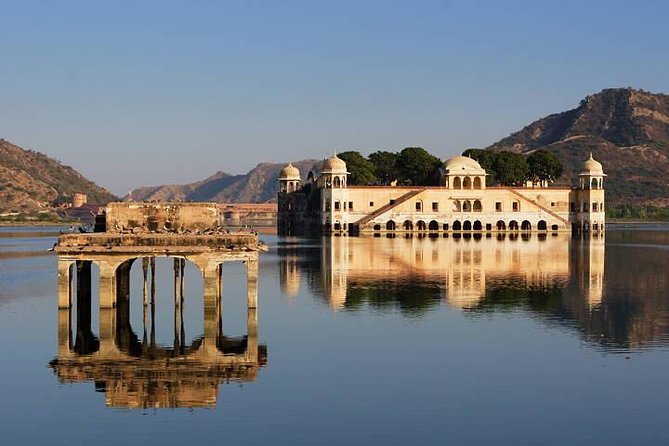
Jal Mahal is the final Jaipur photo stop. The Water Palace sits in the middle of Man Sagar Lake, and the itinerary allows about ten minutes. It is a scenic pause rather than a full interior visit.
After Jaipur, the vehicle drives you back to New Delhi and drops you at your preferred location. The tour does not specify the exact arrival time, so avoid booking a tight onward connection on the same day.
Guides, vehicles, hotels, and the real cost
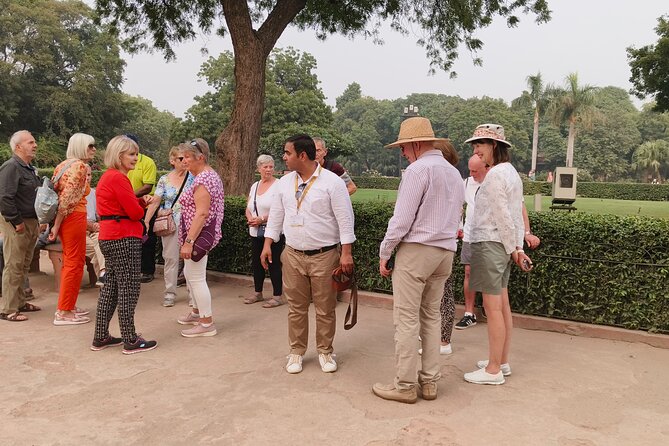
Guide service is included, and the tour uses local guides across the route. The named team includes Vishal as driver, Indu for Delhi, Kalim for Agra, and Nameera for Jaipur, though assignments may depend on availability.
One especially positive account praises Kaushal for patient answers and strong explanations at Jama Masjid and Bangla Sahib. That is important because this trip crosses several religious and cultural settings in quick succession. A calm guide who explains context without rushing can greatly improve the experience.
The vehicle is air-conditioned, and bottled water is supplied without a stated limit. That is a practical benefit during the long intercity drives. The tour is private, so only your group participates, and group discounts are available.
Hotel accommodation in a three, four, or five-star property with breakfast is included only when that option is selected. Two breakfasts are listed among the inclusions for the appropriate package. Monument fees are also included only in the package that says so.
The advertised $20 per person price looks attractive, but it should be treated as a starting price until you confirm the exact package. The value can be very good if the price you see includes the vehicle, guides, hotels, breakfasts, and entrance fees. If those items are added separately, the final total will be higher.
Tips and gratuities are not included. The cancellation terms are straightforward: cancel at least 24 hours before the start for a full refund. Changes or cancellations inside 24 hours are not refundable.
Who should choose this Golden Triangle tour?
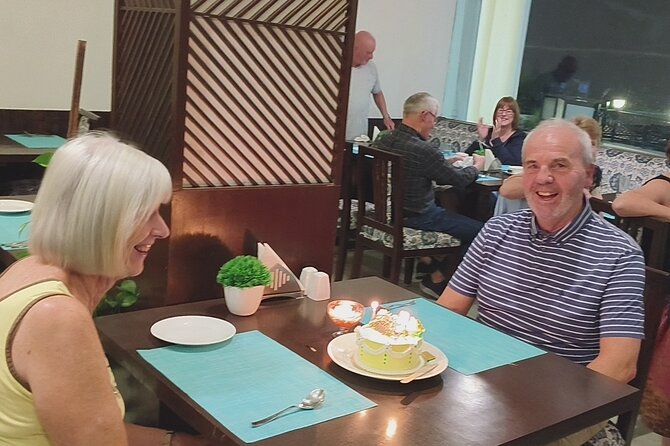
I would recommend it to a first-time visitor who wants the major sights with private transport and does not want to organize several hotels, drivers, and guides independently.
It also suits families or friends who value their own vehicle and a shared schedule. The route works well for people with only three days in northern India and a strong interest in famous monuments.
I would be more cautious if you prefer slow mornings, long meals, independent wandering, or detailed museum visits. The Delhi day is packed, the Agra to Jaipur drive is long, and the Jaipur schedule includes several very short stops.
The tour is also a good fit if you want several kinds of history in one trip. You move from Mughal mosques and tombs to Gandhi’s memorial, a Sikh gurdwara, a Baháʼí temple, royal palaces, a hill fort, and historic astronomy instruments. That range is one of the program’s best features.
Should you book it?
Book this tour if your priority is efficient coverage, private transport, local guides, and the essential Golden Triangle sights. The strong rating of 4.8 from 58 ratings and 97 percent recommendation support the idea that the core service works well, especially when the guide is patient and well prepared.
Before paying, confirm three things: the hotel category, monument admission, and total price per person. If those are included at a reasonable final rate, this is a useful three-day introduction to Delhi, Agra, and Jaipur.
Skip it if you want a relaxed pace. For everyone else, the route offers a practical way to see India’s headline sights while still adding Old Delhi markets, a rickshaw ride, Bangla Sahib, Fatehpur Sikri, and Jal Mahal.
FAQ
How long is the Golden Triangle Tour?
The tour lasts approximately three days.
Which cities does the tour visit?
It visits New Delhi, Agra, and Jaipur.
Is this a private tour?
Yes. Only your own group participates in the private tour or activity.
Is hotel accommodation included?
Three, four, or five-star hotel accommodation with breakfast is included if you select the package that offers it.
Are monument entrance fees included?
Monument fees are included only if you select the package with monument admission.
Is transportation provided?
Yes. An air-conditioned vehicle is provided, including the drives between Delhi, Agra, Jaipur, and New Delhi.
Is a guide included?
Yes. Guide services are included.
Is pickup offered?
Yes. Pickup is offered, and the final Delhi drop-off is made at your preferred location.
How many breakfasts are included?
Two breakfasts are listed as included when the appropriate accommodation package is selected.
Can I cancel for a full refund?
Yes. You can receive a full refund by cancelling at least 24 hours before the experience start time. Cancellations within 24 hours are not refundable.
Just added in New Delhi
- Old Town Delhi Walking Tour (2 Hours Guided Tour with Local)★ 4.5 · 22 reviews
- Yoga class in Delhi★ 5.0 · 29 reviews
- Private Taj Mahal & Agra Fort Tour, Dine with a View★ 5.0 · 27 reviews
- Unveil Old Delhi’s Food, Spice Market & Heritage Walk★ 5.0 · 26 reviews
- Vegetarian : Private Cooking Class in Delhi home ( Learn 7 meal)★ 5.0 · 58 reviews
- Tour to Akshardham temple with Guide and Delhi Transfer★ 5.0 · 26 reviews
- Private Tour of Taj mahal from Delhi by Train in 90 Min★ 5.0 · 46 reviews
- Private 2-Day Agra & Delhi Tour by Car–Includes Taj Mahal Sunrise★ 5.0 · 11 reviews
Golden Triangle Tours, compared.
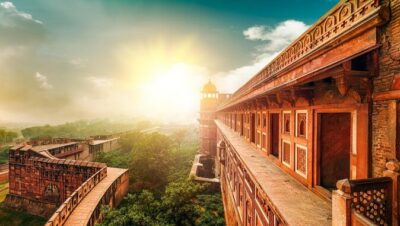
3-Days Private Golden Triangle Tour: Delhi, Agra & Jaipur by Car
Read our review →3-Days Private Golden Triangle Tour: Delhi, Agra & Jaipur by Car
Read our review →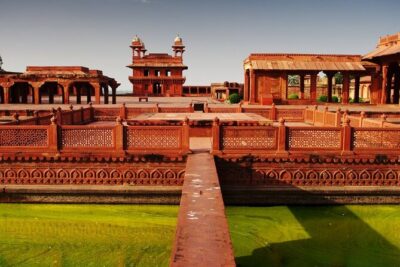
3-Day Delhi, Agra and Jaipur Private Tour – India Golden Triangle
Read our review →
Four-Day Private Luxury Golden Triangle Tour to Agra and Jaipur From New Delhi
Read our review →
5 Nights 6 Days Private Golden Triangle Tour – Delhi Agra Jaipur
Read our review →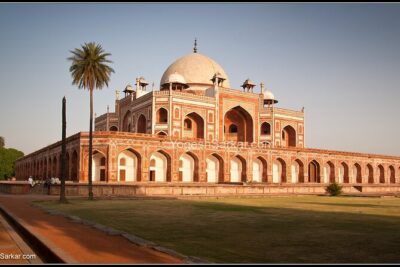

Private Car and Drive for Golden Triangle (4N/5D)
Read our review →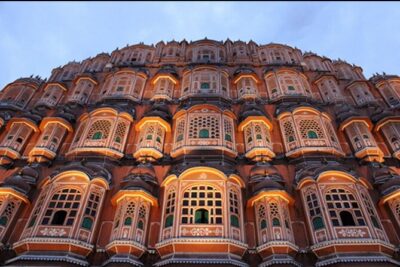
Private Golden Triangle Tour Delhi Agra Jaipur ( Top Rated )
Read our review →Browse the lists this tour appears in