
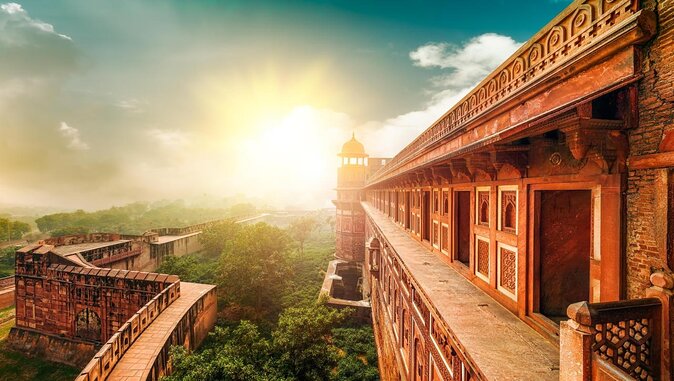
Reviewed · GOLDEN TRIANGLE TOURS
3-Days Private Golden Triangle Tour: Delhi, Agra & Jaipur by Car
India’s grandest sights fit into three busy days. This private Golden Triangle tour links Delhi, Agra, and Jaipur by air-conditioned car, giving you a chauffeur, local guides, and the freedom to travel with only your own group. It is a fast, practical way to see the Taj Mahal, Mughal monuments, Jaipur’s palaces, and some of Delhi’s most memorable corners.
I like the flexible pickup from anywhere in Delhi NCR and the choice between hotel packages or a version without accommodation. I also like the private guides, who can explain the monuments and help with photographs. The main drawback is simple: this is a lot of India in a very short time, with several long drives and early starts.
In This Review
- The best parts of this three-day route
- Day One: Delhi monuments, Old Delhi markets, and the drive to Agra
- Day Two: the Taj Mahal at sunrise
- Day Three: Jaipur forts, palaces, and a final road journey
- Private car comfort, group size, and the daily pace
- Hotels, food, and the extra costs
- The guides can shape the whole experience
- Who should book this Golden Triangle tour?
- Should you book it?
- FAQ
- What cities does the tour visit?
- Is the tour private?
- Is hotel accommodation included?
- Is the Taj Mahal open every day?
- Are monument entrance tickets included?
- What type of vehicle is provided?
- Can I be picked up from the airport?
The best parts of this three-day route
- Sunrise at the Taj Mahal: An early start gives you three hours at India’s most famous monument, before the day becomes hotter and busier.
- Private transport throughout: Your own air-conditioned car, chauffeur, fuel, tolls, parking, and taxes are included.
- Delhi’s broad mix of sights: Qutub Minar, Humayun’s Tomb, Chandni Chowk, Jama Masjid, and Khari Baoli show very different sides of the capital.
- Choice of accommodation: You can book two nights with breakfast or arrange your own hotels.
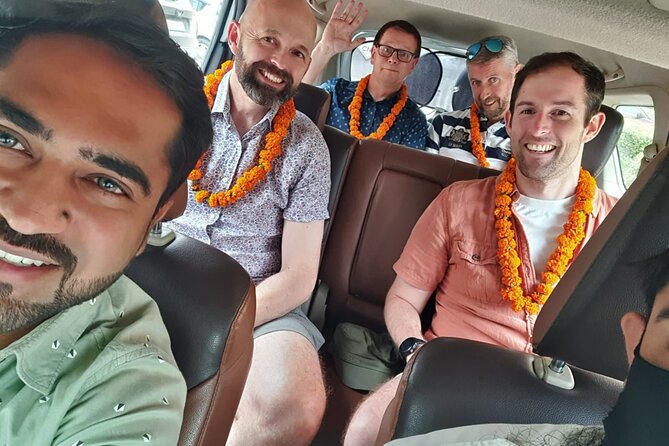
- Strong guide service: Guides such as Arham, Amaan, Faizal, Sadiq Hussain, Naveed, and Kamran are praised for clear explanations, good service, and help with photos.
- A useful final drop-off choice: After Jaipur, you can return to Delhi or finish at Jaipur Airport.
Day One: Delhi monuments, Old Delhi markets, and the drive to Agra

The tour begins with pickup between 7:00 and 11:00 a.m. from Delhi, Noida, Gurugram, Ghaziabad, or Faridabad. You select the time, though an earlier departure is the sensible choice if you want to fit in the full Delhi program without rushing every stop.
Your first major sight is Qutub Minar, a UNESCO World Heritage Site dating from 1193. The red sandstone tower was begun by Qutub-ud-din Aibak and draws on the design of the Minaret of Jam. You have about an hour here, which is enough for the tower, surrounding ruins, and photographs, but not for a slow archaeological study.
Entrance is not included, so keep some money ready for monument tickets. The same applies to several of the major sites later in the tour.
The Lotus Temple offers a useful change of mood. Its white petal-shaped structure was completed in 1986 as a Baháʼí House of Worship open to people of all faiths. You get about 30 minutes here, and admission is free. I would treat this as a quiet pause rather than a major sightseeing stop. The interior asks for silence, and the calm can be welcome after Delhi traffic.
The route then passes several important government and colonial-era sights. You see the Red Fort from the road, along with India Gate, Rashtrapati Bhawan, and Parliament House. These are drive-by views rather than full visits, so set your expectations accordingly. India Gate honors 13,300 Indian soldiers who died in World War I, while Rashtrapati Bhawan occupies a huge 330-acre presidential estate designed by Edwin Lutyens and Herbert Baker.
Agrasen Ki Baoli is a short but unusual stop. This old stepwell sits in central Delhi, with long geometric steps descending into the earth. You have about 30 minutes, and admission is free. Its quiet, enclosed design feels very different from Delhi’s wide avenues and crowded markets.
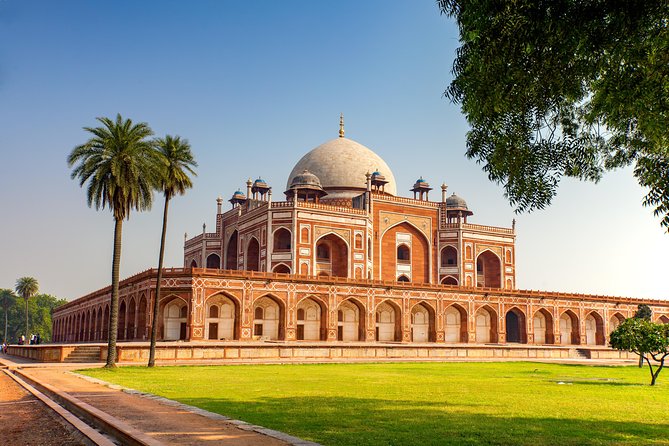
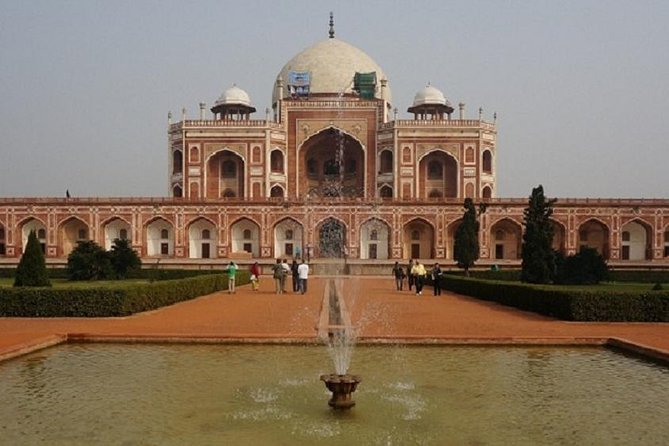
At Humayun’s Tomb, you get a full hour to see one of the finest early Mughal buildings in the capital. Commissioned by Humayun’s widow in the 16th century, the garden tomb helped establish the style later seen at the Taj Mahal. This stop is especially useful if you want to understand the architectural path from earlier Mughal tombs to Shah Jahan’s white marble masterpiece.
Lunch comes at Block-B in Connaught Place, with about 45 minutes to eat. The guide can suggest places suited to your taste, but the meal is not included. If you have a particular restaurant in mind, say so clearly before the stop. One point worth keeping in mind is that some tours can steer you toward preferred shops or restaurants, so be polite but firm about where you want to spend your money.
The afternoon shifts to Old Delhi. Chandni Chowk is not polished sightseeing. It is a dense market district full of spice sellers, sweets, fabrics, silver goods, and narrow lanes. You get about an hour to look around, and the best approach is to stay close to your guide and keep your belongings secure.
Jama Masjid, built in 1656 by 5,000 workers, is across from the Red Fort. Its broad red sandstone courtyard gives you a sense of Mughal scale. Allow an hour, and remember that admission is not included. Visitors must carry valid photo identification on a mobile device for monument entry.
Khari Baoli, described as Asia’s largest wholesale spice market, adds another strong sensory stop. You have 30 minutes to see the displays of spices, herbs, and dried foods. This is one of the more distinctive parts of the Delhi day because it feels like a working market rather than a ceremonial sight.
After Delhi, the car takes the Yamuna Expressway to Agra. The drive is listed at about three hours. Your driver drops you at the Agra hotel for check-in, assuming you selected the accommodation package. It is a long first day, so do not expect much energy for evening plans.
More Golden Triangle Tours in New Delhi:
- 3-Days Private Golden Triangle Tour: Delhi, Agra & Jaipur by Car
★ 5.0 · 1,098 reviews - 3-Day Delhi, Agra and Jaipur Private Tour – India Golden Triangle
★ 5.0 · 812 reviews - Four-Day Private Luxury Golden Triangle Tour to Agra and Jaipur From New Delhi
★ 5.0 · 807 reviews
Day Two: the Taj Mahal at sunrise
The early Taj Mahal visit is the emotional center of the tour. You spend about three hours at the monument, beginning around sunrise. The pale marble changes color as the light improves, and the cooler morning air makes the visit more pleasant than a late-morning arrival.
The Taj Mahal was built by Shah Jahan in 1630 as a mausoleum for Mumtaz Mahal. Your guide can explain the design, the story behind the building, and the fine marble details. Guides including Amaan, Arham, Aman, Faizal, and Vishal receive repeated praise for clear explanations, helpful service, and taking photographs at good viewpoints.
The tour includes a golf cart ride from the parking area to the entrance gate. That saves some walking, though you should still wear comfortable shoes and expect security procedures. Monument admission is extra, and the Taj Mahal is closed every Friday.
The timing of the trip matters here. If you begin on a Thursday, the second day is arranged in Jaipur rather than Agra. That change is linked to the Friday closure of the Taj Mahal, so check your starting date carefully before booking. A poorly chosen start day could disrupt the main reason many people choose this route.
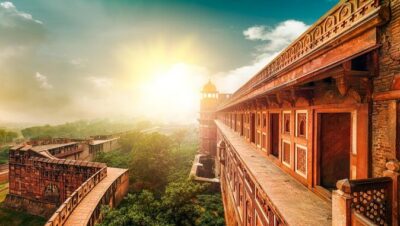
After the Taj, you visit Agra Fort for about an hour. This red sandstone complex served as the main residence of Mughal emperors and contains a mix of military walls, courtyards, audience halls, and palace spaces. It also helps explain the political side of the Mughal period, which the Taj alone cannot do.
The Tomb of Itimad-ud-Daulah, often called the Baby Taj, gets another hour. It was the first Mughal building made entirely from white marble and an early example of detailed pietra dura inlay. I consider this a smart addition because it is smaller and more intimate than the Taj. Guides often point out details that are easy to miss, and the site is a good place for photographs.
The Agra sightseeing day is compact but well arranged. You see the three main monuments without adding another major attraction that would turn the day into a blur. Afterward, you drive about four hours to Jaipur. That is the second major road journey in two days, and it is the clearest reminder that this tour favors coverage over a relaxed pace.
Day Three: Jaipur forts, palaces, and a final road journey
After breakfast, your guide and driver collect you from the Jaipur hotel. The day begins at Jaigarh Fort, built in 1726 by Maharaja Sawai Jai Singh II on the Aravalli hills. The fort was designed for defense, and its elevated position gives it a strong setting above the city.
You get about two hours here, making it the longest Jaipur monument visit. Admission is extra. If you enjoy forts, military design, and broad views, this should be one of Jaipur’s more rewarding stops. If you prefer interiors and city streets, two hours may feel long after the previous days of sightseeing.
Hawa Mahal, or the Palace of Winds, takes about an hour. Built in 1799 for royal women, the pink and red sandstone facade has 953 small windows. From outside, it is one of Jaipur’s most recognizable buildings. Admission is free according to the tour details, and your guide can explain how the windows allowed women of the court to observe street life without being seen.
The City Palace of Jaipur receives two hours. This former royal residence now contains museums with royal costumes, weapons, and historical objects. The complex gives you more context for Jaipur’s ruling family and provides a useful contrast to the defensive purpose of Jaigarh Fort.
Jal Mahal is a short photo stop of about 30 minutes. The Water Palace sits in Man Sagar Lake and appears to float on the surface. You do not get a long visit, but the view is attractive and makes a good final Jaipur pause before the return drive.
The standard ending is a four-hour drive to New Delhi. You can also request drop-off at Jaipur Airport, which is a major advantage if you are continuing elsewhere. Make that choice clear when arranging the trip so the final transfer matches your plans.
Private car comfort, group size, and the daily pace
The private format is the main reason to choose this tour instead of a large coach. You travel only with your own group, and the chauffeur handles the long road sections while the local guides take over in Delhi, Agra, and Jaipur.
Vehicle size depends on group size:
- One or two people: four-seat sedan
- Three to five people: six-seat wagon
- Six to nine people: nine-seat van
- Ten to twelve people: twelve-seat van
The package includes air conditioning, bottled mineral water, tolls, parking, fuel, taxes, and service charges. It also includes a tuk-tuk ride, though the supplied schedule does not specify exactly where that ride occurs. Breakfast is included for two mornings when you choose the hotel option.
The biggest practical issue is time. Day One packs in many Delhi stops before a three-hour drive. Day Two combines an early Taj Mahal visit, two more Agra monuments, and a four-hour transfer to Jaipur. Day Three includes four Jaipur sights before another four-hour journey.
I would choose this pace if you have only three days and strongly want all three cities. If you have four or five days, extra time would make the experience less tiring and allow more unplanned stops.
A few more options to weigh up in New Delhi
- Old & New Delhi City Tour – Half or Full Day Options Available
★ 5.0 · 4,811 reviews - Same Day Taj Mahal, Agra Fort & Baby Taj Tour from Delhi by Car
★ 5.0 · 4,304 reviews - Taj Mahal Day Tour from Delhi by Superfast Train – TOP RATED TOUR
★ 5.0 · 4,166 reviews - Full Day Taj Mahal, Agra Fort & Baby Taj Tour from Delhi by Car
★ 5.0 · 3,647 reviews
Hotels, food, and the extra costs
The listed price is $127 per person. That can be good value for a private car, chauffeur, guides, two nights of accommodation, breakfasts, fuel, tolls, parking, and service charges, but check the exact package selected. A no-hotel version is also available, so the price may depend on whether you arrange your own rooms.
Monument admission is listed separately at about $70 per person. Tips and gratuities are also excluded. Meals are not presented as included, and the Connaught Place lunch stop is at your own cost.
That means the real budget is higher than the headline price. Even so, the package can make financial sense for two or more people sharing a private vehicle, particularly when you value door-to-door transfers and local guides at each destination.
Rooms are generally twin-sharing. A booking of three people normally receives one triple-sharing room. If you want two rooms for three people, you pay an additional charge. On December 24 and 31, hotel bookings require a $99-per-person gala dinner charge because of the hotel blackout arrangement.
The guides can shape the whole experience
The strongest part of the service is the guide network. In Agra, Arham, Amaan, Aman, Faizal, Vishal, and Sadiq Hussain are noted for explaining Mughal buildings in an engaging way. Several guides also help with photographs, which is useful at the Taj Mahal and Baby Taj.
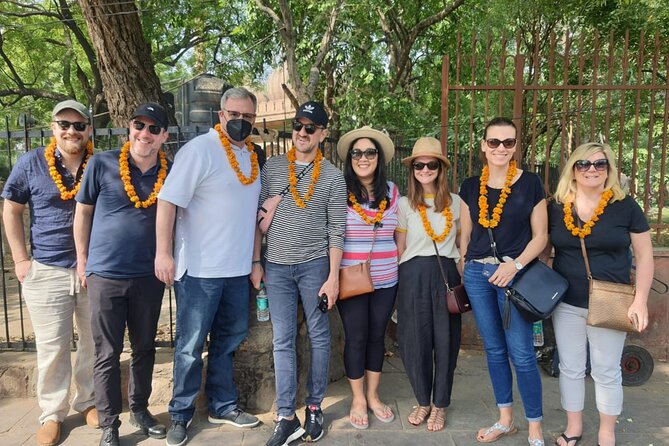
In Delhi, Naveed is praised for explaining the importance of each monument and finding good photo spots. In Jaipur, Kamran is noted for his explanations at the sights and museums. You may not receive a particular guide, but the repeated praise for guide knowledge, friendliness, punctuality, and personal attention is a good sign.
One useful point is that the guide experience can vary by language ability. One detailed account found a Delhi guide friendly and enjoyable but slightly limited in English. If a precise explanation matters to you, tell the operator your language needs when booking.
The tour also allows customization. You can request changes, but shopping and restaurant stops may require some persistence. Guides may favor certain businesses, so state your preferences early if you want independent choices.
Who should book this Golden Triangle tour?
I would recommend it to first-time visitors with limited time, couples or families who want a private vehicle, and anyone who prefers a guide at the main monuments. It is also useful if you need a Jaipur Airport drop-off or want hotel pickup across Delhi NCR.
Families may appreciate the private setting and the ability to pause between sights. The air-conditioned car is particularly helpful during the long intercity drives. A private group also avoids the fixed rhythm of a large bus.
I would hesitate to recommend it to anyone who dislikes early mornings, long drives, or tightly packed sightseeing. It is not the right choice for a slow cultural stay, extended market wandering, or leisurely meals. The route gives you a strong first look, but it does not give you much empty time.
A 99 percent recommendation rate and 4.9 rating from 1,107 ratings suggest dependable service, especially from the drivers and local guides. The most consistent strengths are punctual pickups, safe driving, helpful communication, clear monument explanations, and assistance with photographs.
Should you book it?
Book this tour if your priority is to see Delhi, Agra, and Jaipur in three days without managing trains, hotels, drivers, and guides yourself. The Taj Mahal at sunrise, private transport, and the chance to finish at Jaipur Airport make the plan practical.
Before paying, confirm four details: the package with or without hotels, the monument fee, the pickup point, and the weekday schedule. Avoid a Friday Taj Mahal visit, and pay close attention to the Thursday start adjustment. If you accept the long drives and fast pace, this is a well-priced introduction to North India’s headline sights. If you want breathing room, add another day.
Cancellation is free up to 24 hours before the start time for a full refund. Changes or cancellations inside that window are not accepted.
FAQ
What cities does the tour visit?
The tour covers Delhi, Agra, and Jaipur. It begins in the Delhi NCR area, includes two nights in Agra and Jaipur when the hotel option is selected, and normally returns to New Delhi or finishes at Jaipur Airport.
Is the tour private?
Yes. Only your own group participates in the private activity. The vehicle and chauffeur are provided for your group.
Is hotel accommodation included?
Two nights of accommodation are included only when you choose a hotel package. A package without hotels is also available.
Is the Taj Mahal open every day?
No. The Taj Mahal is closed every Friday. If the tour starts on Thursday, the second day is arranged in Jaipur so the Taj Mahal visit does not fall on Friday.
Are monument entrance tickets included?
No. Entrance fees are listed separately at about $70 per person. Tips and gratuities are also not included.
What type of vehicle is provided?
One or two people travel in a four-seat sedan. Groups of three to five use a six-seat wagon, six to nine use a nine-seat van, and groups of ten to twelve use a twelve-seat van.
Can I be picked up from the airport?
Yes. Airport pickup is offered, but you must provide your flight details when booking. Hotel, airport, and other listed pickup points in Delhi, Agra, and Jaipur can also be arranged.
Just added in New Delhi
- Five Days Golden Triangle Tour with Ranthambore Delhi Agra Jaipur★ 5.0 · 11 reviews
- 5 Days Golden Triangle Tour with Ranthambore India★ 5.0 · 10 reviews
- 5 Days Golden Triangle Tour with Ranthambore Delhi Agra Jaipur★ 5.0 · 11 reviews
- 5-Day Private Luxury Golden Triangle Tour From Delhi★ 5.0 · 45 reviews
- Delhi, Agra, Jaipur & Ranthambhore Tiger Safari 5-Day Tour★ 5.0 · 47 reviews
- Private 5 Days Golden Triangle Tour – Visit Delhi Agra and Jaipur★ 5.0 · 26 reviews
- 5-Day Private Delhi, Agra and Jaipur with Ranthambhore Tiger Tour From Delhi★ 5.0 · 44 reviews
- 5-Day Private Golden Triangle Tour: Delhi, Agra, and Jaipur★ 5.0 · 62 reviews
Golden Triangle Tours, compared.
3-Days Private Golden Triangle Tour: Delhi, Agra & Jaipur by Car
Read our review →
3-Day Delhi, Agra and Jaipur Private Tour – India Golden Triangle
Read our review →
Four-Day Private Luxury Golden Triangle Tour to Agra and Jaipur From New Delhi
Read our review →
5 Nights 6 Days Private Golden Triangle Tour – Delhi Agra Jaipur
Read our review →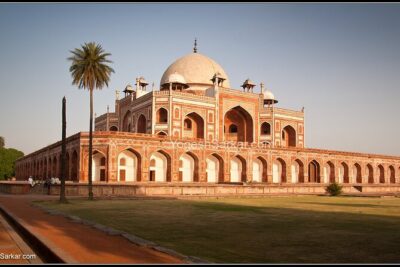

Private Car and Drive for Golden Triangle (4N/5D)
Read our review →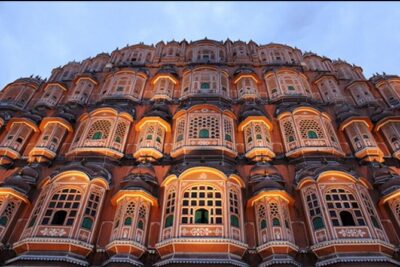
Private Golden Triangle Tour Delhi Agra Jaipur ( Top Rated )
Read our review →
3-Day Private Luxury Golden Triangle Tour to Agra and Jaipur From New Delhi
Read our review →Browse the lists this tour appears in