
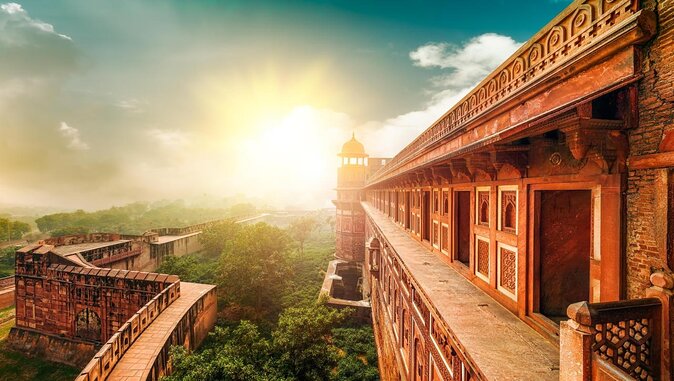
Reviewed · GOLDEN TRIANGLE TOURS
3-Days Private Golden Triangle Tour: Delhi, Agra & Jaipur by Car
Three cities, one very full ride. This private Golden Triangle tour packs Delhi, Agra, and Jaipur into three days, with a chauffeur, local guides, hotel transfers, and a schedule that takes care of the hard planning. I especially like the private car, which gives you control over pickup times and stops, and the early Taj Mahal visit, when the monument is at its most atmospheric and before the crowds grow.
The main catch is the pace. Delhi alone includes Qutub Minar, Humayun’s Tomb, Old Delhi, Jama Masjid, and more, then you drive to Agra. You will see a great deal, but you will not have much idle time. Also, monument entry fees are listed separately at about $70 per person, so the low headline price needs a closer look.
This works best if you have only three days and want the classic North India route without arranging drivers, hotels, guides, tolls, and local transport yourself. Guides such as Sadiq, Maahi, Arham, Azzu, Kishor, and Saurabh have earned praise for clear explanations, careful pacing, and excellent photo help. Just come ready for early starts, long drives, and a little controlled chaos.
In This Review
- Key details to know before booking
- Three days across India’s Golden Triangle
- Day 1: Qutub Minar, Mughal tombs, and Old Delhi
- Qutub Minar sets the historical tone
- Lotus Temple offers a quiet change
- New Delhi passes by from the car
- Agrasen Ki Baoli is brief and unusual
- Humayun’s Tomb explains the Taj’s family tree
- Connaught Place is your food break
- Chandni Chowk, Jama Masjid, and Khari Baoli
- Day 2: The Taj Mahal before Agra wakes up
- Sunrise at the Taj Mahal
- Agra Fort shows imperial power
- Itmad-ud-Daulah, the Baby Taj
- Day 3: Jaipur’s forts, palaces, and observatory
- Jaigarh Fort begins the Jaipur day
- Hawa Mahal is a quick architectural stop
- City Palace gives Jaipur its royal center
- Jal Mahal is for the view
- Jantar Mantar ends with practical science
- What the $127 price really buys you
- Practical points that can save your trip
- Who should book this Golden Triangle trip?
- Should you book it?
- FAQ
- Is this a private tour?
- Are hotel stays included?
- Are monument entrance fees included?
- Is the Taj Mahal open every day?
- Can I be dropped at Jaipur Airport?
- What is included during the drives and sightseeing?
Key details to know before booking
- Sunrise at the Taj Mahal: The second day begins early, giving you a quieter, cooler visit and better light for photographs.
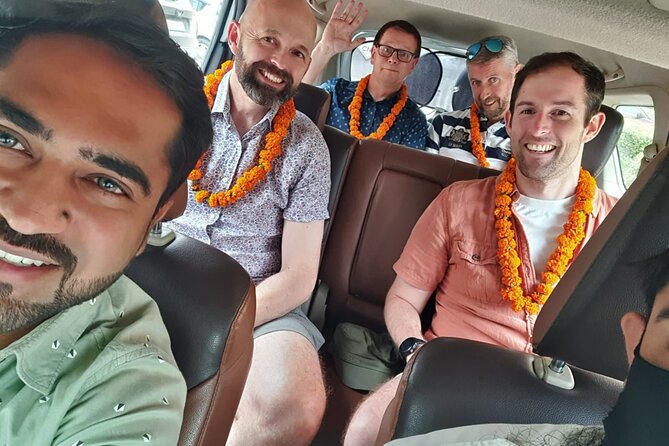
- A true private trip: Only your own group participates, with a sedan for one or two people, a six-seat wagon for three to five, and larger vans for bigger parties.
- Delhi’s old and new sides: You move from Qutub Minar and Lutyens’ New Delhi to Chandni Chowk, Jama Masjid, and Khari Baoli in one long day.
- Two major road transfers: Delhi to Agra takes about three hours, while Agra to Jaipur takes roughly four hours. Jaipur to Delhi is another four-hour drive.
- Hotels are optional: The tour can be booked with two nights in 3-star, 4-star, or 5-star hotels, or you can arrange your own accommodation.
- Entry fees need checking: Monument admission is not included in the detailed cost information and is estimated at $70 per person. Carry valid photo identification on your mobile for entry.
Three days across India’s Golden Triangle

The Golden Triangle is popular for a good reason. Delhi gives you layers of imperial, colonial, religious, and street life. Agra brings the Taj Mahal and the Mughal monuments around it. Jaipur shifts the mood to pink sandstone, Rajput palaces, hill forts, and broad views across Rajasthan.
You cover all three cities by private air-conditioned car. That matters here. Public transport would take more time and add transfers, while a private chauffeur lets you leave from a hotel, airport, or other pickup point in Delhi, Noida, Gurugram, Ghaziabad, or Faridabad.
You choose a Delhi pickup between 7 and 11 AM on the first day. A 7 AM start makes the full route more manageable. A later departure may suit your arrival plans, but it will push the Old Delhi and Agra portions later into the day.
More Golden Triangle Tours in New Delhi:
- 3-Days Private Golden Triangle Tour: Delhi, Agra & Jaipur by Car
★ 5.0 · 1,107 reviews - 3-Day Delhi, Agra and Jaipur Private Tour – India Golden Triangle
★ 5.0 · 812 reviews - Four-Day Private Luxury Golden Triangle Tour to Agra and Jaipur From New Delhi
★ 5.0 · 807 reviews
Day 1: Qutub Minar, Mughal tombs, and Old Delhi
Qutub Minar sets the historical tone
Your first major stop is Qutub Minar, a UNESCO World Heritage Site and one of Delhi’s most striking monuments. Built in 1193 by Qutub-ud-din Aibak, the soaring minaret has carved stonework and strong visual presence even before your guide fills in the story.
Plan on about an hour here. The admission fee is separate, so confirm the current amount when booking. A private guide helps make sense of the complex, since the appeal is not just the tower itself but also the surrounding remains and the way Delhi’s early Islamic architecture developed.
Lotus Temple offers a quiet change
The Lotus Temple takes about 30 minutes and is free to enter. Its white, flower-like design belongs to the Baháʼí faith and welcomes people of all religions.
This is a shorter, calmer stop after Qutub Minar. The building is best appreciated as a place for silence and reflection rather than as a long guided monument visit. If you prefer more time at historical sites, you may want to ask whether this stop can be shortened in favor of another Delhi attraction.
A few more options to weigh up in New Delhi
- Old & New Delhi City Tour – Half or Full Day Options Available
★ 5.0 · 4,811 reviews - Same Day Taj Mahal, Agra Fort & Baby Taj Tour from Delhi by Car
★ 5.0 · 4,304 reviews - Taj Mahal Day Tour from Delhi by Superfast Train – TOP RATED TOUR
★ 5.0 · 4,166 reviews - Full Day Taj Mahal, Agra Fort & Baby Taj Tour from Delhi by Car
★ 5.0 · 3,647 reviews
New Delhi passes by from the car
The route includes drive-by views of the Red Fort, India Gate, the 330-acre government district built in the 1920s, and Parliament House. You will not necessarily tour each of these places on foot, so treat this section as an orientation to New Delhi rather than a full sightseeing visit.
The Red Fort was built by Shah Jahan between 1639 and 1648 as the main residence of Mughal emperors. India Gate is described as a memorial to Indian army servicemen who died in the First World War, while Parliament House contains the Lok Sabha and Rajya Sabha.
These drive-bys are useful when time is tight, but you should know the difference between seeing a monument from the car and entering it. If a particular site matters greatly to you, ask about the exact stop plan before departure.
Agrasen Ki Baoli is brief and unusual
Agrasen Ki Baoli is an ancient stepwell in central Delhi. Its long flights of steps and shadowy lower levels make it unlike the grand imperial monuments on the route.
The visit lasts about 30 minutes and admission is free. The site is also linked with local stories about paranormal activity, though its real appeal is the engineering and atmosphere. It is a good short stop, especially if you enjoy places that feel more atmospheric than polished.
Humayun’s Tomb explains the Taj’s family tree
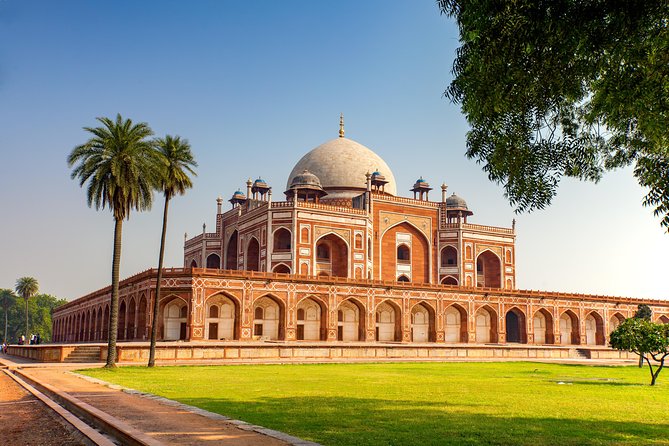
Humayun’s Tomb is one of the day’s strongest stops. This UNESCO-listed garden tomb was commissioned by Humayun’s wife and is often treated as an important early model for later Mughal architecture, including the Taj Mahal.
You spend about an hour here. Entry is separate. The formal garden, red sandstone, white marble details, and balanced design give your guide plenty to explain. I would pay close attention here, because the monument helps you understand the Mughal style before seeing its most famous expression in Agra.
Connaught Place is your food break
The itinerary allows about 45 minutes in Block B of Connaught Place for lunch. Your guide recommends restaurants, but the meal itself is not included.
This is a convenient place to pause, though 45 minutes is short if you want a relaxed meal. Tell your guide about dietary needs early. The value of the private format is that you can ask for a different restaurant or adjust the stop if the day is running long.
Chandni Chowk, Jama Masjid, and Khari Baoli
Old Delhi is the day’s most energetic section. Chandni Chowk’s narrow lanes bring you close to spice sellers, dry fruit stalls, silver jewelry, saris, and small shops. A tuk-tuk ride is included, which is a smart choice here. It saves your legs and lets you experience the lanes without trying to guide a car through them.
Jama Masjid was built in 1656 with the labor of 5,000 workers. Its broad red sandstone courtyard sits opposite the Red Fort and gives you a strong sense of Old Delhi’s Mughal center. Admission is separate, and modest dress is sensible for a mosque visit.
Khari Baoli, described as Asia’s largest wholesale spice market, adds another layer. You will see sacks, herbs, dried fruit, and spices rather than a tidy tourist display. The stop lasts about 30 minutes, so it is more of a concentrated look than a full market expedition.
After Delhi, your chauffeur drives about three hours to Agra. You are dropped at your hotel for the night. This is a long first day, so a 7 AM pickup is the wiser choice if you want to enjoy Old Delhi rather than rush through it.
Day 2: The Taj Mahal before Agra wakes up
Sunrise at the Taj Mahal
The second day begins with the trip’s main event: a sunrise visit to the Taj Mahal. The visit is planned for about three hours, including time to approach the monument, hear its story, and take photographs.
The Taj was commissioned by Shah Jahan in 1630 as a mausoleum for Mumtaz Mahal. Its white marble changes color with the light, and the early visit gives you cooler temperatures and a better chance of seeing the grounds before they become crowded.
A battery van ride from the parking area to the gate is included. That small detail matters because vehicles cannot simply pull up beside the monument. Monument admission is not included in the detailed cost information, despite the general overview describing site tickets as included, so confirm this point before paying. The listed estimate is $70 per person for entrance fees across the tour.
The strongest praise for the Agra guides centers on three things: clear explanations, help with photographs, and calm crowd navigation. Maahi, Azzu, Sadiq, Saurabh, Amaan, Vishal, Nasir, and Arham are all specifically praised for their work at the Taj and nearby monuments. Azzu was noted for watching winter fog and adjusting the timing, while Maahi helped find photo angles before the crowds thickened.
Do not judge the Taj only by the famous front view. Ask your guide to explain the inlay work, proportions, marble details, and the building’s role as a tomb. The site is more rewarding when you understand what you are seeing instead of treating it as a quick photo stop.
Agra Fort shows imperial power
Agra Fort takes about an hour and gives you the political counterpoint to the Taj’s memorial purpose. This 17th-century UNESCO site includes courtyards, palaces, and pavilions in a mix of Indian and Islamic styles.
The fort also helps explain Shah Jahan’s final years, when power and imprisonment shaped the Mughal court. The courtyards can feel more substantial than the Taj visit because you move through a large complex rather than viewing one central monument.
Admission is separate. Wear comfortable shoes and listen closely to your guide, since the value here comes from linking the rooms and courtyards to the people who used them.
Itmad-ud-Daulah, the Baby Taj
Itmad-ud-Daulah takes about 30 minutes. This smaller white marble tomb is often called the Baby Taj and was the first Mughal monument built entirely from white marble, with delicate pietra dura inlay.
It is a short stop, but it rewards close looking. The scale is more intimate than the Taj Mahal, and the decoration lets you see fine stonework without the same sense of grandeur. The admission fee is separate.
Lunch in Agra lasts about 45 minutes, with restaurant suggestions from your guide. The meal is not included. Afterward, you drive around four hours to Jaipur and check into your pre-booked hotel.
That transfer is the least glamorous part of the trip, but it is also what makes a three-day Golden Triangle possible. Bring water, use the included bottled water, and keep the evening simple. Jaipur sightseeing starts after breakfast the next morning.
Day 3: Jaipur’s forts, palaces, and observatory
Jaigarh Fort begins the Jaipur day
Jaigarh Fort is the first stop, with about two hours allocated. Built in 1726 by Maharaja Sawai Jai Singh II, it sits in the Aravalli hills and gives you a strong introduction to Jaipur’s defensive architecture.
The hill setting is part of the attraction. You get a different view of Rajasthan here, with stone walls and broad outlooks replacing Agra’s flat Mughal gardens. Admission is separate, so check whether the ticket estimate covers this site.
This is one stop where the private format helps. Your guide can adjust the pace to your interest in military history, architecture, or views. Kishor and Arham received particular praise for their Jaipur guiding, with Kishor also singled out for taking excellent photographs.
Hawa Mahal is a quick architectural stop
The Palace of the Winds is a 1799 structure of red and pink sandstone with 953 small windows, or jharokhas. It was designed so royal women could watch street life without being seen.
The visit lasts about 30 minutes and admission is free. The famous facade is the main event, so do not expect a long palace tour here. Your guide can explain how the windows worked and help you find good angles for photographs.
City Palace gives Jaipur its royal center
The City Palace takes about an hour. Once the seat of Jaipur’s Maharaja, it combines courtyards, gardens, and palace buildings in the center of the city.
Some sections are no longer used as royal living quarters, but the complex still gives you a sense of Jaipur’s courtly design. Admission is separate. This is a good place to ask questions, since the palace is easier to appreciate when you understand which buildings served public, ceremonial, and private roles.
Jal Mahal is for the view
Jal Mahal is a 17th-century palace set in Man Sagar Lake. The stop lasts about 30 minutes and admission is free.
You mainly view the palace from outside, so this is a scenic pause rather than a full interior visit. It breaks up the palace-heavy morning and gives you time to take photographs across the water.
Jantar Mantar ends with practical science
Jantar Mantar is a UNESCO World Heritage Site and one of India’s best-preserved historic observatories. Built by Jai Singh II, its large instruments turn astronomy into architecture.
The visit is listed at about 30 minutes, with admission separate. That may feel brief, especially if you want to understand how the instruments measured time and tracked the sky. Ask your guide to point out how the structures worked instead of simply walking past them.
Lunch in Jaipur lasts about 45 minutes, and your guide can suggest a restaurant serving Rajasthani food. The meal is not included. After sightseeing, you drive about four hours back to Delhi, or choose a drop-off at Jaipur Airport if that better fits your plans.
What the $127 price really buys you
The advertised price of $127 per person looks attractive for a private three-day route, but you should calculate the full cost before booking. Monument admission is listed separately at about $70 per person, and tips for the driver and guides are also excluded.
The price does include major transport costs: an air-conditioned private car, chauffeur, fuel, tolls, parking, taxes, and service charges. It also includes two breakfasts when the hotel option is selected, bottled mineral water during journeys, the Old Delhi tuk-tuk ride, and the Taj Mahal battery van.
Hotel accommodation is an upgrade choice rather than something you should assume is included in every booking. You can select 3-star, 4-star, or 5-star lodging. Rooms generally use twin sharing, while three-person bookings normally use one triple-sharing room. If three people want two rooms, an added charge applies.
The biggest value is convenience. You are not negotiating separate cars in three cities, finding guides at each monument, arranging the Delhi to Agra and Agra to Jaipur legs, or working out how to reach the Taj Mahal entrance. For a first visit, that can justify the cost.
The tradeoff is that private does not mean slow. You still cover long distances and many major sites. If you want unhurried museum visits, relaxed meals, or extra time in each city, add days rather than expecting this route to provide them.
Practical points that can save your trip
Check the calendar before you commit. The Taj Mahal is closed every Friday. If your tour starts on a Thursday, the second day is scheduled in Jaipur instead, so the order changes.
December 24 and December 31 are hotel blackout dates. If you book accommodation for either night, a mandatory gala dinner adds $99 per person.
Give flight details if you need airport pickup. If your hotel is not shown during booking, use the option for a hotel that is not listed and enter the name manually.
Carry each person’s valid photo ID on a mobile device for monument entry. Pickup is available across Delhi and nearby cities, and the tour is private for your group only.
The cancellation terms allow a full refund if you cancel at least 24 hours before the local start time. Changes or cancellations inside that window are not accepted.
Who should book this Golden Triangle trip?
I would recommend it to a first-time visitor with only three days, a family that wants door-to-door transport, or a couple who prefers private guiding to a large coach group. It also suits anyone arriving in Delhi and departing from Jaipur Airport, since the final drop-off can be adjusted.
The trip is less suitable if you dislike early mornings, long drives, crowded markets, or tightly planned sightseeing. Jaipur in particular deserves more than one day, and Delhi’s old and new sections could easily fill separate days.
Guide quality can shape the experience. The strongest names connected with the trip include Sadiq, Maahi, Arham, Azzu, Kishor, Saurabh, Nasir, Amaan, Vishal, and Faisal. Their praised strengths include storytelling, local food advice, safe crowd navigation, patience with photographs, and clear explanations. You can request preferences, but a specific guide should not be treated as guaranteed unless the operator confirms it.
Should you book it?
Book this tour if your priority is seeing the Golden Triangle’s essential monuments with minimal planning. The private car, included transfers, local guides, tuk-tuk ride, and Taj battery van remove much of the usual friction, while the early Taj visit gives Day 2 a strong start.
Before booking, confirm the actual monument fee, hotel category, room arrangement, pickup time, and Friday closure issue. At $127 per person before the listed $70 entry estimate and tips, it is a good convenience-focused value, not an all-inclusive bargain. If you accept the pace, this is an efficient and well-supported introduction to Delhi, Agra, and Jaipur.
FAQ
Is this a private tour?
Yes. Only your own group participates. Vehicle size depends on the group: a four-seat sedan for one or two people, a six-seat wagon for three to five, a nine-seat van for six to nine, and a 12-seat van for ten to twelve.
Are hotel stays included?
Two nights of accommodation are included only if you book the hotel option. You can choose 3-star, 4-star, or 5-star lodging. Rooms are generally twin sharing, and three-person bookings normally receive triple sharing.
Are monument entrance fees included?
The detailed cost information lists monument entrance fees separately at an estimated $70 per person. Because the general tour description also refers to included site tickets, confirm the exact arrangement with the operator before booking.
Is the Taj Mahal open every day?
No. The Taj Mahal is closed every Friday. Check your start date carefully, especially if your three-day schedule depends on the sunrise visit.
Can I be dropped at Jaipur Airport?
Yes. After Jaipur sightseeing, you can choose a drop-off at Jaipur Airport instead of returning to Delhi, if that fits your travel plans.
What is included during the drives and sightseeing?
The tour includes a private air-conditioned car, professional chauffeur, fuel, tolls, parking, taxes, service charges, bottled mineral water, a tuk-tuk ride in Old Delhi, and a battery van ride from the Taj Mahal parking area to the gate. Tips and meals beyond the included breakfasts are not included.
Just added in New Delhi
- 5 Days Golden Triangle Tour with Ranthambore Delhi Agra Jaipur★ 5.0 · 11 reviews
- Five Days Golden Triangle Tour with Ranthambore Delhi Agra Jaipur★ 5.0 · 11 reviews
- 5 Days Golden Triangle Tour with Ranthambore India★ 5.0 · 10 reviews
- 5-Day Private Luxury Golden Triangle Tour From Delhi★ 5.0 · 45 reviews
- Delhi, Agra, Jaipur & Ranthambhore Tiger Safari 5-Day Tour★ 5.0 · 47 reviews
- Private 5 Days Golden Triangle Tour – Visit Delhi Agra and Jaipur★ 5.0 · 26 reviews
- 5-Day Private Delhi, Agra and Jaipur with Ranthambhore Tiger Tour From Delhi★ 5.0 · 44 reviews
- 5-Day Private Golden Triangle Tour: Delhi, Agra, and Jaipur★ 5.0 · 62 reviews
Golden Triangle Tours, compared.
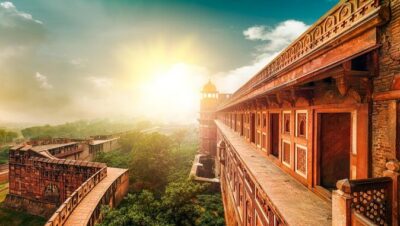
3-Days Private Golden Triangle Tour: Delhi, Agra & Jaipur by Car
Read our review →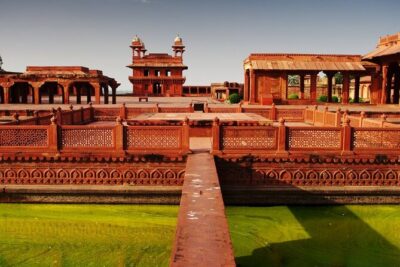
3-Day Delhi, Agra and Jaipur Private Tour – India Golden Triangle
Read our review →
Four-Day Private Luxury Golden Triangle Tour to Agra and Jaipur From New Delhi
Read our review →
5 Nights 6 Days Private Golden Triangle Tour – Delhi Agra Jaipur
Read our review →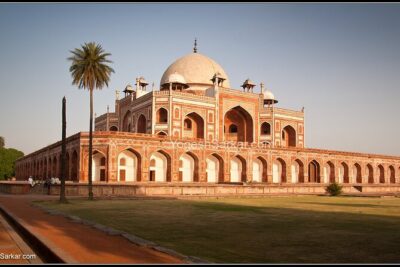

Private Car and Drive for Golden Triangle (4N/5D)
Read our review →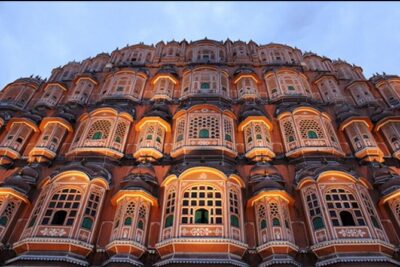
Private Golden Triangle Tour Delhi Agra Jaipur ( Top Rated )
Read our review →
3-Day Private Luxury Golden Triangle Tour to Agra and Jaipur From New Delhi
Read our review →Browse the lists this tour appears in