

Reviewed · FOOD TOURS
Goa Street Food Crawl: Authentic Food Tasting Experience
Goa tastes better on foot. This two-hour Panjim food walk pairs six local tastings with stories about Portuguese influence, Indian food customs, and the old streets around the Immaculate Conception Church. I like the way it takes you to everyday cafés and stalls rather than treating food as a staged show. I also like the personal touch: guide Shimada earned repeated praise for her warm manner, clear explanations, and ability to adjust tastings for vegetarian and non-vegetarian preferences. The main consideration is pace. You will eat several portions while walking stepped streets, so arrive hungry and wear proper shoes.
At $28 per person, this is a sensible introduction to Goan food if you are new to the cuisine. You are paying not only for six samples, but also for a private walk, a guide in English or Hindi, and access to places you might not choose on your own. Still, two hours is short, and the tour gives you a taste of Panjim rather than a full survey of Goa’s food scene.
In This Review
- What makes this Panjim food walk worth your time
- Starting at the Immaculate Conception Church
- Four food stops and six chances to taste Goa
- Xacuti, peda, chaat, and the Goan flavor story
- Walking through Panjim’s Portuguese-influenced streets
- Shimada’s role in making the tour personal
- Is $28 good value for two hours?
- Who should book this experience?
- Practical details before you go
- Should you book the Panjim street food crawl?
- FAQ
- How long does the Goa street food crawl last?
- Where does the tour begin?
- Where does the tour finish?
- How many tastings are included?
- Which languages does the guide speak?
- Is hotel transportation included?
What makes this Panjim food walk worth your time
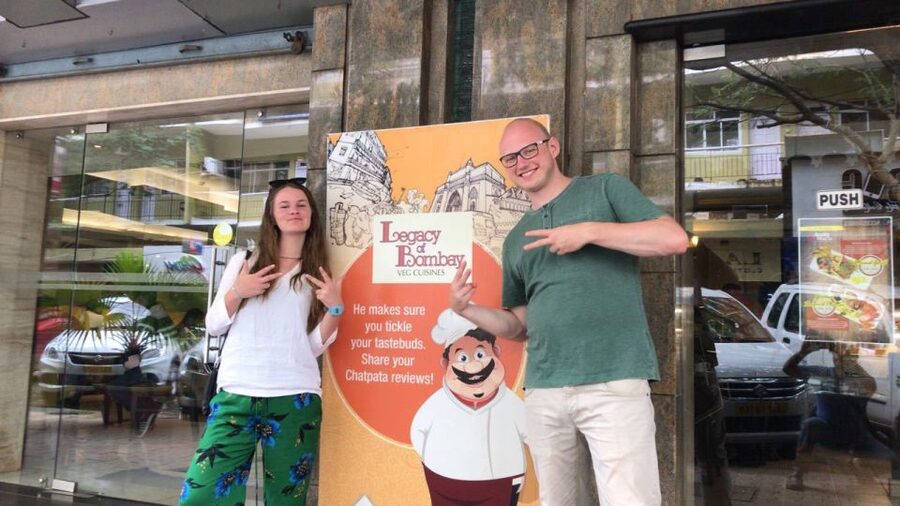
- Six classic Goan tastings: Try a mix of savory dishes, sweets, drinks, chaat, cutlets, and other local favorites rather than one large meal.
- A walk from church steps to Kala Academy: The route links Panjim streets, Portuguese-influenced buildings, cafés, markets, and food stops.
- Stories behind the plate: Learn about preparation, spices, chilies, coconut, Portuguese influence, and traditional eating habits.
- A guide who shapes the experience: Shimada is praised for thoughtful conversation, strong local knowledge, and attention to dietary preferences.
- Rustic places used by locals: Tastings take place at traditional eateries and stalls selected by the local partner.
- A flexible booking setup: You can cancel up to 24 hours ahead for a full refund, and reserve now while paying later.
Starting at the Immaculate Conception Church
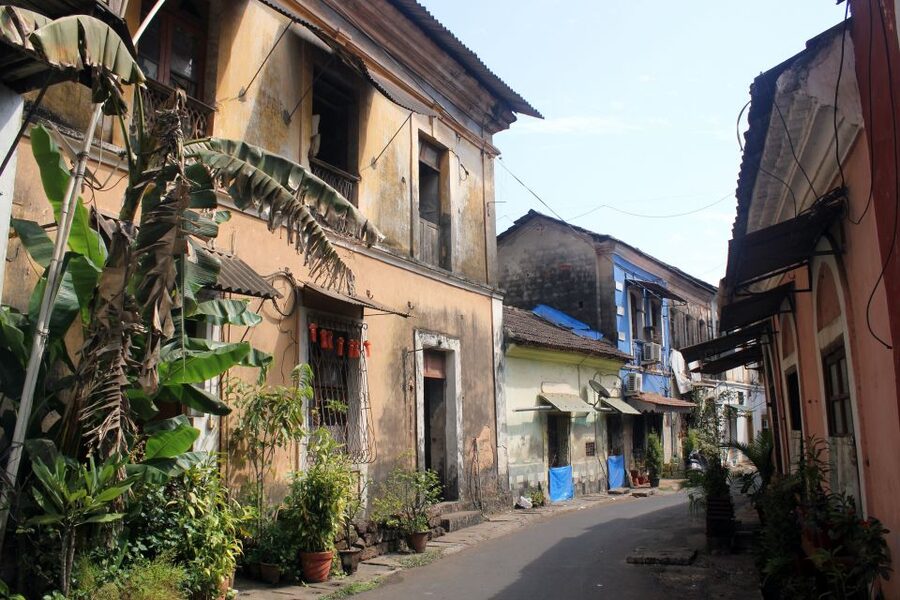
Your meeting point is the stairs of Our Lady of Immaculate Conception Church in Panjim. This is a useful place to begin because it gives the walk a clear landmark and puts you in one of the city’s most recognizable settings.
From here, you set off on foot through Panjim. The route includes stepped streets, older buildings, Portuguese-influenced lanes, cafés, and market areas. You are not simply moving from one snack counter to another. The walk provides a frame for the food, showing how the city’s architecture and daily routines connect with what people eat.
I would arrive a few minutes early. The meeting instructions are specific, but church steps can be a busy place, and it is easier to spot your guide if you are already waiting nearby. Look for the local partner’s English or Hindi speaking guide at the stairs.
The walk involves moderate walking, and comfortable shoes are specifically advised. This is not a seated tasting with a few steps between courses. You will be on your feet, and the streets include steps. The tour runs in all weather, so a small umbrella or light rain protection is a sensible addition during wet conditions.
More Food Tours in India:
- The Great Indian Food Tour: Old Delhi Food and Heritage Walk
★ 5.0 · 1,698 reviews - Mumbai: Street Food and Night Markets Tour
★ 4.9 · 719 reviews - Old Delhi Street Food Tour
★ 5.0 · 497 reviews
Four food stops and six chances to taste Goa
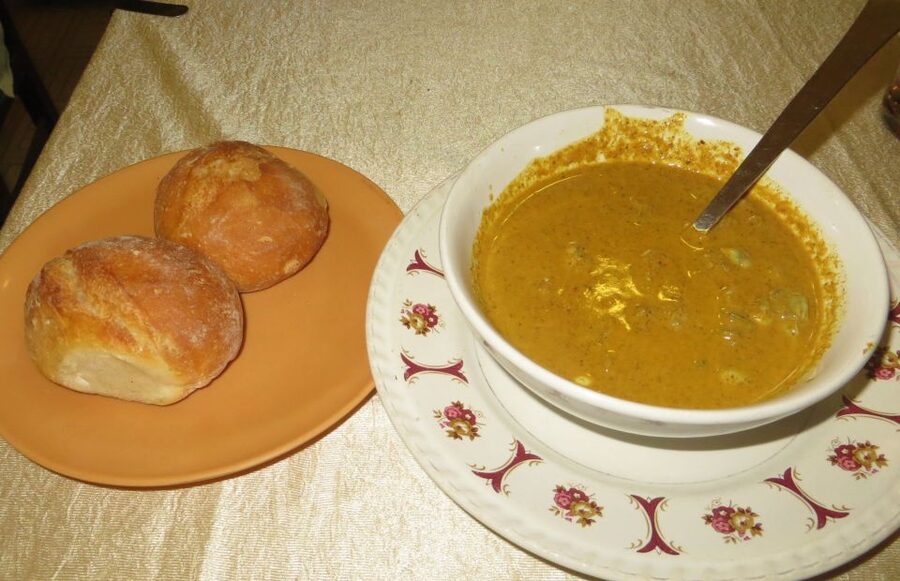
The food portion moves through four local restaurant or eatery stops. The exact order of the dishes can vary, but the food named for the experience includes Xacuti curry, peda, cucumber mint juice, several kinds of chaat, cutlets, and other Goan favorites.
That range is one of the tour’s best features. You get contrast rather than six versions of the same thing. A curry introduces spice and sauce, a sweet peda gives you a different texture, cucumber mint juice offers something cooling, and chaat and cutlets bring the tangy, crisp, snack-focused side of local eating.
The tour also lets you watch some food being prepared. That matters because Goan food is not just about heat. The guide can explain how cooks use spices, chilies, and coconut to create different tastes. One particularly useful detail from the experience is the attention given to spice and coconut choices. You begin to understand that the same broad group of ingredients can produce very different results.
The food is served in rustic eateries and stalls visited by local people. That setting is part of the value. You are not being taken only to polished dining rooms designed for sightseeing. You are seeing the kind of places where quick snacks, sweets, drinks, and traditional dishes fit into ordinary city life.
Come with a serious appetite. A full breakfast would work against you here, especially since the tour includes six tastings in two hours. The portions are intended for sampling, but they add up quickly.
Xacuti, peda, chaat, and the Goan flavor story
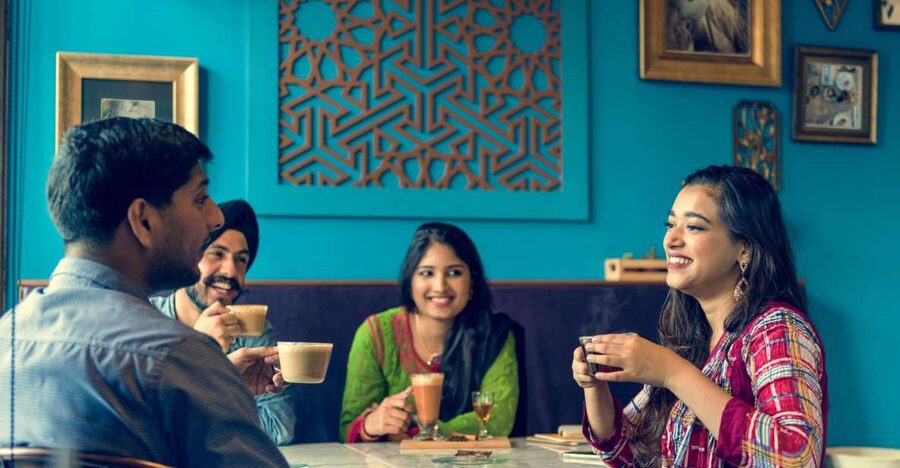
Xacuti curry is a useful dish for understanding Goa’s food character. You can expect a spiced curry tasting, with the guide explaining the local food traditions behind it. The point is not simply to label it hot or mild. You learn how the dish fits into the wider mix of Indian and Portuguese influences that shaped Goan cooking.
Peda provides a sweeter pause. This small milk-based sweet is very different from curry and savory snacks, and it helps show the range of foods sold in local shops and cafés. If you usually think of a food tour as a series of fried items, the inclusion of a sweet and a drink gives the route better balance.
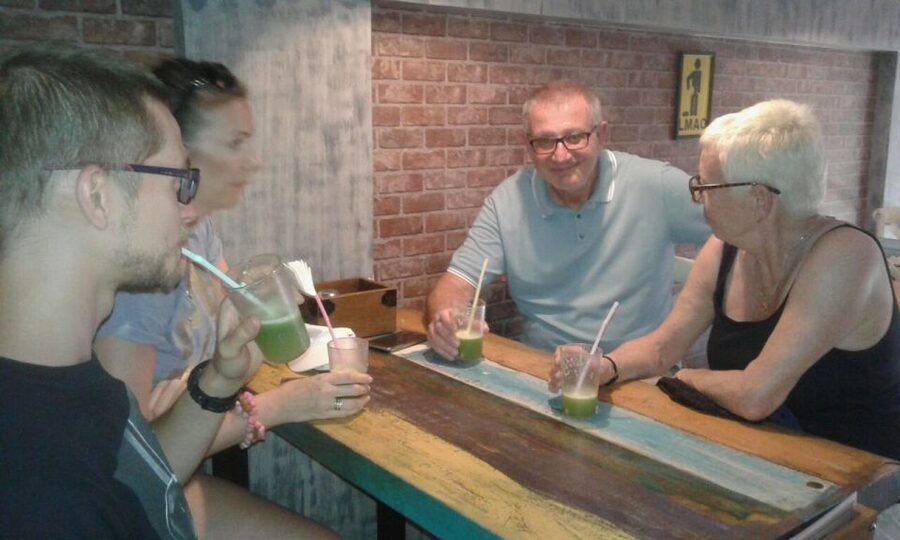
Cucumber mint juice is another change of pace. It offers a fresh, cooling taste between stronger dishes. The drink is included, so you do not need to arrange your own beverage during the walk.
Chaat and cutlets bring the snack culture into focus. These foods are made for casual eating, and tasting different types helps you see how texture and seasoning matter in Goan street food. Depending on the day’s selection, you might move from something crisp or savory to something sweet, then back to a dish with spice or tang.
The guide explains what you are eating and how it is prepared. That conversation is a major part of the experience. Shimada has been praised for explaining local food traditions clearly and for talking about subjects ranging from Goan chorizo and bechina to the price of lobster and changing eating habits in India.
That kind of conversation makes this more useful than a snack checklist. You can ask why a dish is eaten, what ingredients shape its flavor, and how Goan cooking relates to the city around you. The most highly praised part of the experience is the guide’s ability to connect food with culture without making the walk feel like a lecture.
Walking through Panjim’s Portuguese-influenced streets
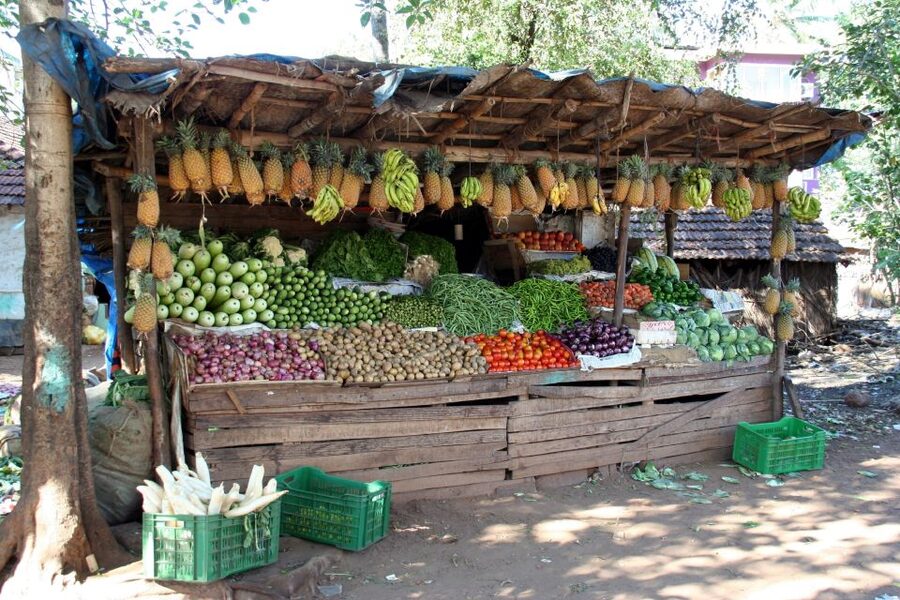
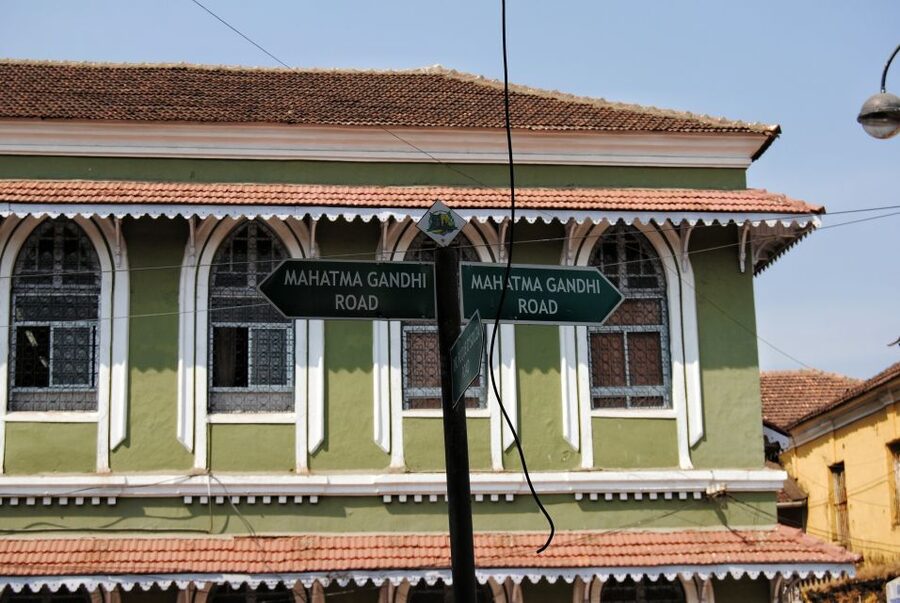
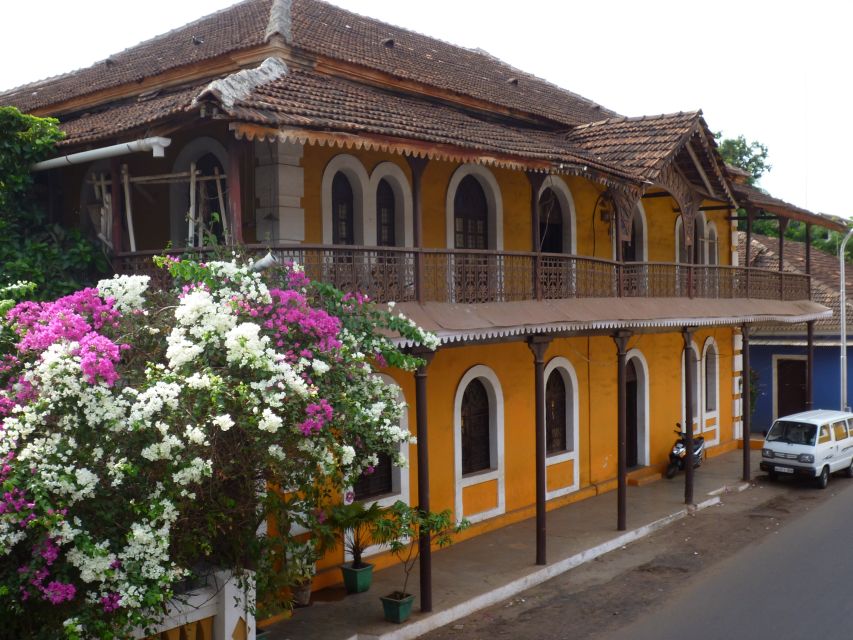
Between tastings, the route passes through Panjim’s older streets and lanes. You will see centuries-old buildings, tree-lined streets, cafés, and market areas, with the guide pointing out the Portuguese influence on the city’s architecture and food.
This is a good format for a first visit because the neighborhood becomes easier to read. A building is no longer just an attractive backdrop. A café is not merely a place for a quick drink. The guide gives you context about the traditions and daily habits linked to these spaces.
The route is also practical for anyone who wants to explore Panjim independently later. You will learn the general feel of the area and encounter eateries you might not notice while following a standard sightseeing route. Several people praised the fact that the guide took them to places they would not have found alone.
There is a tradeoff. The experience does not promise a long architecture tour or a detailed visit inside every landmark. Food is the main subject, and the city walk supports that subject. If you want a focused Panjim food introduction with some urban history, the balance works well. If you want a full city tour, you will need extra time afterward.
A completely different kind of day out:
- Old & New Delhi City Tour – Half or Full Day Options Available
★ 5.0 · 4,811 reviews - Old & New Delhi City Tour – Choose Half or Full Day Experience
★ 5.0 · 4,513 reviews - Same Day Taj Mahal, Agra Fort & Baby Taj Tour from Delhi by Car
★ 5.0 · 4,304 reviews - Taj Mahal Day Tour from Delhi by Superfast Train – TOP RATED TOUR
★ 5.0 · 4,166 reviews
Shimada’s role in making the tour personal
The guide can make or break a food walk, and Shimada receives especially strong praise for being friendly, organized, helpful, and easy to talk with. Her value is not limited to naming dishes. She explains the origins and traditions connected with Goan cuisine and answers questions along the way.
One of the most useful examples is her handling of dietary preferences. A vegetarian and non-vegetarian pair was accommodated during the walk, which suggests that you should mention your preferences clearly at the start. The supplied information does not promise every possible dietary adjustment, so do not assume that all restrictions can be handled without checking.
The tour is a private group experience. That gives you more room for questions and makes it easier for the guide to match the conversation to your interests. You can ask about cooking methods, ingredients, food customs, or the Portuguese connection rather than simply moving along with a large crowd.
The guide speaks English and Hindi. The repeated praise for Shimada’s conversation and explanations is important because the tour’s price includes a fair amount of interpretation, not just food. You are buying a short cultural lesson with snacks attached.
Is $28 good value for two hours?
At $28, the tour sits in a reasonable range for a private food experience that includes six tastings and a beverage. If you bought six separate snacks, paid for a guide, and tried to locate each stop yourself, the total cost would not be just the price of the food. Your time and the risk of choosing poorly matter too.
The strongest value comes from the access and explanation. The local partner selects the eateries and stalls, and the guide tells you what to order and why it matters. This reduces the guesswork that can make a first food outing in a new city awkward.
The price is less compelling if you want a large meal. Six tastings are not necessarily six full portions, and the tour lasts only two hours. Think of it as a guided introduction, not lunch for the rest of the day. You may want another meal later, depending on how much you eat.
For a private group, the cost can make sense for couples, families, or friends who prefer direct conversation. Solo visitors should weigh the price against how much they value a personal guide. If your main goal is simply to eat cheaply, you could spend less on your own. If you want context, trusted stops, and a clear route, $28 is easier to justify.
Who should book this experience?
I would recommend it most strongly to first-time visitors to Goa who want an easy entry into local food. You do not need prior knowledge of Goan cuisine, and the mix of dishes gives you a broad first impression in a short period.
It also suits curious eaters who care about the story behind a dish. You will get more from this walk if you ask questions and pay attention to the preparation, ingredients, and customs discussed along the way.
This is a good choice for:
- Couples or friends who want a private food outing.
- Visitors staying near Panjim who can reach the church independently.
- People who enjoy walking and sampling small portions.
- Vegetarian and non-vegetarian groups who want to discuss preferences with the guide.
- Anyone looking for local cafés and stalls rather than only formal restaurants.
- Visitors who want a food activity that also introduces Panjim’s streets and buildings.
It may not suit you if you have limited mobility, dislike walking on steps, or want a long sit-down meal. The tour is described as wheelchair accessible, but moderate walking and stepped streets are part of the route, so you should confirm that the specific route works for your needs before booking.
It also may not be ideal for very cautious eaters. The appeal lies in trying traditional snacks and local dishes at rustic places. You should come open to unfamiliar textures and flavors, while telling the guide about any dietary limits.
Practical details before you go
The tour lasts two hours and finishes at Kala Academy. Hotel pickup and drop-off are not included, so you need to arrange your own way to the church and from the final stop.
You can reserve now and pay later, which helps if your Goa schedule is still changing. Free cancellation is available up to 24 hours in advance for a full refund. Starting times vary, so check availability for your preferred date.
Wear comfortable shoes and bring an appetite. Since the tour operates in all weather, dress for the conditions on the day. The guide speaks English or Hindi, and the experience is offered as a private group.
The rating is 3.7 from 29 reviews, which is more mixed than the detailed comments from several recent bookings. The strongest praise focuses on the guide, the food explanations, and the chance to visit places outside a typical sightseeing route. I would treat that as a reason to book for the cultural conversation, not simply for the promise of six snacks.
Should you book the Panjim street food crawl?

Book it if you want a friendly, guided introduction to Goan cuisine and Panjim in one compact outing. The food variety, private format, and Shimada’s strong reputation for conversation give the experience more substance than a simple tasting loop.
Skip it if you want a large lunch, a relaxed restaurant meal, or a tour with little walking. For everyone else, arrive hungry, wear good shoes, mention dietary preferences early, and let the guide’s explanations turn each bite into a clue about Goa’s food traditions.
FAQ
How long does the Goa street food crawl last?
The experience lasts two hours, including walking through Panjim and stopping for food tastings.
Where does the tour begin?
The guide meets you at the stairs of Our Lady of Immaculate Conception Church in Panjim, Goa.
Where does the tour finish?
The tour finishes at Kala Academy.
How many tastings are included?
Six food tastings and one beverage are included.
Which languages does the guide speak?
The live guide can conduct the tour in English or Hindi.
Is hotel transportation included?
No. Hotel pickup and drop-off are not included, so you must make your own way to the meeting point and from Kala Academy.
Just added in India
- Five Days Golden Triangle Tour with Ranthambore Delhi Agra Jaipur★ 5.0 · 11 reviews
- 5 Days Golden Triangle Tour with Ranthambore India★ 5.0 · 10 reviews
- 5 Days Golden Triangle Tour with Ranthambore Delhi Agra Jaipur★ 5.0 · 11 reviews
- 5-Day Private Luxury Golden Triangle Tour From Delhi★ 5.0 · 45 reviews
- Delhi, Agra, Jaipur & Ranthambhore Tiger Safari 5-Day Tour★ 5.0 · 47 reviews
- Private 5 Days Golden Triangle Tour – Visit Delhi Agra and Jaipur★ 5.0 · 26 reviews
- 5-Day Private Delhi, Agra and Jaipur with Ranthambhore Tiger Tour From Delhi★ 5.0 · 44 reviews
- 5-Day Private Golden Triangle Tour: Delhi, Agra, and Jaipur★ 5.0 · 62 reviews
Food Tours, compared.

The Great Indian Food Tour: Old Delhi Food and Heritage Walk
Read our review →
Delhi Food Walk: Rickshaw Ride, Street Eats & Market Tour
Read our review →
Old Delhi Street Food Tour – Explore Spices in Chandni Chowk
Read our review →
Bengali Nights Kolkata Food Tour with 13+ Tastings
Read our review →
Chandni Chowk Delhi Food Tour with 15+ Tastings
Read our review →
Browse the lists this tour appears in