Reviewed · DAY TRIPS
From Agra: SOS Elephant Conservation & Bear Rescue Day Trip
Agra has a kinder side worth seeing. This full-day visit pairs the Elephant Conservation and Care Center with the Bear Rescue Center near Keetham Lake, giving you a close look at rescue work rather than animal entertainment. I like the serious welfare message, and I like that your private air-conditioned car and guide make the long day simple. The one catch is that meals and sanctuary donation or entry fees are extra, so the advertised $32 price is not the final cost.
The strongest part is the human touch. Guides such as Sunny have been praised for friendly explanations and practical help, while drivers such as Bobby have earned compliments for patience in Agra traffic. You should also expect an emotional visit, since the centers tell difficult stories about elephants and bears rescued from harsh working conditions.
In This Review
- What makes this Agra wildlife day special
- Why this is worth adding to an Agra visit
- The 4.5-hour elephant center visit
- The documentary and the story behind the animals
- Lunch and the Mathura break
- Two hours at Keetham Bear Park
- Getting around Agra in a private car
- Is $32 a good value?
- What to bring and what to expect
- Who should book this day trip?
- Should you book it?
- FAQ
- How long does the tour last?
- Where can pickup and drop-off take place?
- Is transportation included?
- Is a guide included?
- Are meals included?
- Are sanctuary donation and entry fees included?
- Can I feed or photograph the animals?
What makes this Agra wildlife day special
- Rescued elephants, not riding elephants: Learn how elephants once used for temple work, circuses, transport, and domestic labor are treated and given care.
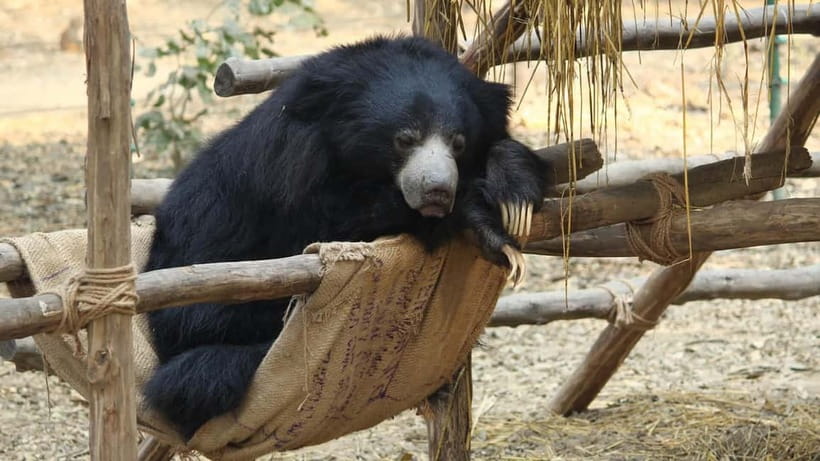
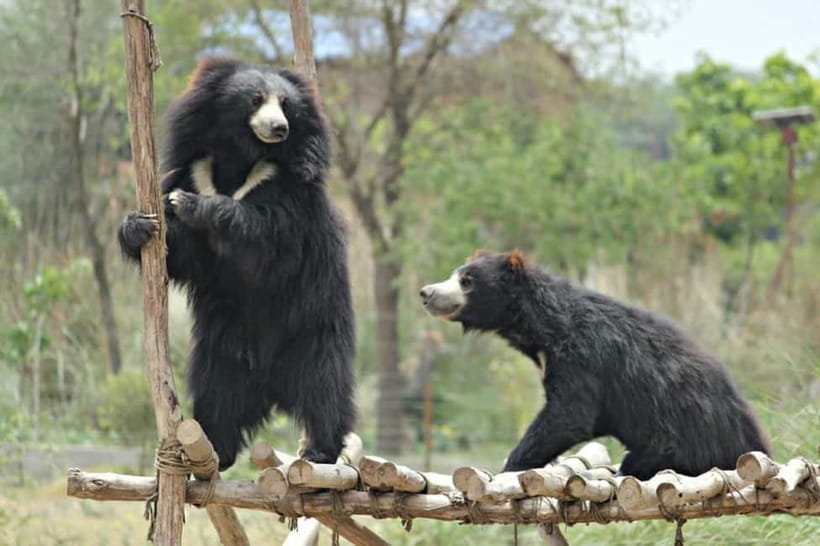
- Bear rescue with a conservation message: Hear about sloth bears rescued from painful past lives and see the work being done at Keetham Bear Park.
- A documentary adds useful context: Watch a film about rescue programs and medical treatment before or during the center visits.
- A private car keeps the day practical: Pickup and drop-off are available throughout Agra, including the airport, railway stations, metro stations, and Agra Fort.
- Wildlife viewing is active but controlled: Feeding and bathing may be part of the program, but you must not feed animals yourself or use flash photography.
- The day supports ethical tourism: The experience encourages you to question elephant rides and other forms of animal exploitation.
Why this is worth adding to an Agra visit
The Taj Mahal is Agra’s headline act, but it tells only one part of the city’s story. This excursion takes you into a less polished, more thought-provoking side of India, where the focus is on animal welfare, veterinary care, and long-term rehabilitation.
I like that the two centers give you different lessons. Elephants show the damage caused by captivity and hard labor. Sloth bears show how wildlife can be exploited for entertainment and income. Together, the visits help you understand why seeing an animal up close is not always a sign that it is being treated well.
This is not designed as a zoo visit or a theme park stop. The purpose is conservation. You will watch, listen, and learn how rescued animals are cared for. The atmosphere can feel moving rather than lighthearted, especially when the guides explain the animals’ earlier lives.
The overall rating is very strong, at 4.9 from 15 bookings. That praise is focused on the guides, the care given to the animals, and the value of seeing a side of Agra beyond its famous monuments. The most repeated personal touch is Sunny, the English-speaking guide, who has been described as friendly, helpful, and clear. One booking also praised Bobby, the driver, for handling difficult traffic with unusual patience.
More Day Trips in India:
- Taj Mahal Day Tour from Delhi by Superfast Train – TOP RATED TOUR
★ 5.0 · 4,166 reviews - From Delhi: Taj Mahal & Agra Private Day Trip with Transfers
★ 4.9 · 3,181 reviews - From Delhi: Taj Mahal Sunrise, Baby Taj & Agra Fort Day Tour
★ 4.9 · 2,020 reviews
The 4.5-hour elephant center visit
Your first major stop is the Wildlife SOS Elephant Conservation and Care Center, with about four and a half hours set aside for sightseeing and wildlife viewing. That is a generous amount of time, and it means this is not a rushed photo stop squeezed between two monuments.
The center focuses on elephants rescued from temples, circuses, villages, and other forms of domestic or transport work. You learn how animals once used for human purposes can arrive with physical injuries, stress, or long-term medical needs. The guide’s job is important here because the value of the visit comes from understanding the rescue process, not simply looking at a large animal.
You may see keepers feed the elephants and take them for a walk. Feeding and bathing activities are also part of the advertised experience, but you should treat these as carefully managed demonstrations. Do not assume you can touch, feed, or direct the animals yourself. The rules specifically prohibit visitors from feeding animals, and flash photography is not allowed.
That distinction matters. The tour is asking you to support care, not to recreate the kind of close contact that may have harmed the animals in the first place. The visit encourages a better question than Can I ride or touch an elephant? It asks whether the animal is being treated with respect.
Expect plenty of information about the sanctuary’s work. The center’s guides have been praised for explaining how elephants are saved from captivity and for showing clear concern for their welfare. If you are interested in animal care, this will likely be the most substantial stop of the day.
There is also an emotional side. The stories can be hard to hear, particularly if you have seen elephant rides or performances elsewhere in India. I would not choose this outing solely for cheerful animal photographs. Choose it if you want to understand the cost of exploitation and see what rehabilitation looks like afterward.
The documentary and the story behind the animals
The documentary gives the day a useful frame. Instead of meeting the animals with no context, you see how rescue programs operate and learn about medical treatment.
That is particularly helpful for first-time visitors. A large elephant may look healthy from a distance, yet its past may include years of work, poor handling, or neglect. The film helps connect the visible animal with the less visible work of rescue, treatment, and rehabilitation.
The same applies to the bears. Their stories are described as difficult, and the documentary prepares you for a visit that may be upsetting as well as rewarding. You are not being shown wildlife as a simple spectacle. You are being asked to think about the human choices that placed these animals in danger.
The documentary is also a good reason to pay attention to the guide. Sunny has been praised for explaining details on the route and helping visitors feel comfortable. If your group has questions about animal welfare, ask them during the drive or at the centers. The live English-language guide is one of the better reasons to book this as a private tour rather than trying to arrange separate visits on your own.
Lunch and the Mathura break
After the elephant center, the itinerary allows about an hour and a half for a break and lunch in Mathura. This is a practical pause after a long morning, but lunch is not included in the price.
You should budget for your own meal and personal expenses. The supplied information does not name a particular restaurant or menu, so do not book this expecting a special food experience. Think of Mathura as a sensible mid-day stop that gives you time to eat and reset before the bear visit.
The break also affects the pace of the tour. With four and a half hours at the elephant center, a 90-minute lunch period, and two hours at the bear park, you are looking at a full day rather than a quick half-day outing. Wear comfortable clothes and bring water. A hat, sunscreen, and insect repellent are sensible additions, especially because the schedule includes walking and outdoor wildlife viewing.
A completely different kind of day out:
- Old & New Delhi City Tour – Half or Full Day Options Available
★ 5.0 · 4,811 reviews - Old & New Delhi City Tour – Choose Half or Full Day Experience
★ 5.0 · 4,513 reviews - Same Day Taj Mahal, Agra Fort & Baby Taj Tour from Delhi by Car
★ 5.0 · 4,304 reviews - Full Day Taj Mahal, Agra Fort & Baby Taj Tour from Delhi by Car
★ 5.0 · 3,647 reviews
Two hours at Keetham Bear Park
The final major stop is the Bear Rescue Center at Keetham, near Keetham Lake. The planned visit lasts about two hours and includes a guided tour, walking, and wildlife viewing.
The lake adds a different setting from the elephant center. You can enjoy the local flora and fauna around Keetham Lake while learning about the bears in care. The combination gives you more than a single enclosed animal stop, although the focus remains rescue and rehabilitation rather than general sightseeing.
You will hear about sloth bears and the terrible conditions from which many were rescued. These stories may be uncomfortable, but they explain why the center exists. The guide helps turn a short animal encounter into a lesson about wildlife protection and the consequences of treating wild animals as tools for income or amusement.
As with the elephant visit, the rules matter. You must not feed the bears, and flash photography is forbidden. Smoking is also not allowed. Follow the sanctuary staff closely, keep your distance where instructed, and bring a camera that you can use without flash.
Two hours is enough to understand the purpose of the park without making the day drag. If you are especially interested in wildlife rehabilitation, you may wish for more time. For most people, the balance works: the elephant center receives the larger share of the day, while the bear park provides a focused second lesson.
Getting around Agra in a private car
Pickup and drop-off are included from locations across Agra. Listed options include Agra Airport, Agra Cantt Railway Station, railway station parking, Taj Mahal Metro Station, Agra Fort Metro Station, Captain Shubham Gupta Metro Station, and addresses within Agra.
The private air-conditioned car is a real advantage in this setting. Agra traffic can be slow and tiring, particularly when you are trying to connect several out-of-town stops. One guide even paid for a visitor’s metro ticket when traffic became especially difficult, a small act that shows how useful a local coordinator can be when the city does not move according to your timetable.
The driver and guide are separate strengths. Bobby has been praised for patience behind the wheel, while Sunny has received repeated praise for his explanations and friendly manner. The tour is offered in English, and the private-group format means you are not tied to a large coach full of strangers.
Still, private transport does not make this a short outing. It remains a full day, and starting times depend on availability. Confirm the pickup time when you book, especially if you are fitting this around a Taj Mahal visit, a train, or a flight.
Is $32 a good value?
At $32 per person, the tour is attractively priced for a private day with hotel pickup and drop-off, an air-conditioned car, an English-speaking wildlife guide, and visits to two conservation centers. For a solo visitor or couple, the value depends on how many people share the private vehicle, but the convenience alone can be useful in Agra.
Do not read the price as all-inclusive. Meals, personal expenses, and park entry fees are excluded. Donation fees for both the bear and elephant sanctuaries are also not included. The wording suggests you should set aside extra money for those payments, so ask for the current total before departure.
That extra cost is not necessarily a flaw. Donations help support animal care, and the centers rely on funding to continue their rescue programs. The key is knowing the full amount in advance. A cheap tour can feel less cheap if you arrive without enough cash for meals and sanctuary contributions.
The best value here is not the number of stops. It is the combination of transport, interpretation, and access to conservation work that would be harder to arrange in a single day. If you care about ethical wildlife tourism, the experience gives your sightseeing budget a clear purpose.
What to bring and what to expect
Pack light, but bring the basics:
- A hat and sunscreen for outdoor time
- Water for the day
- Comfortable clothes and walking-friendly shoes
- Insect repellent around Keetham Lake
- A camera, with flash turned off
Children under three, pregnant women, wheelchair users, and people with animal allergies are listed as unsuitable for this activity. The centers involve walking and outdoor viewing, so consider the physical demands honestly before booking.
You should also expect an emotional response. The work is hopeful, but the animals’ earlier lives are presented plainly. That makes the visit worthwhile, though it may not suit someone seeking a carefree family attraction.
Free cancellation is available up to 24 hours before the start for a full refund, and you can reserve now and pay later. Those terms are useful if your Agra schedule may shift, but check the available start times before making a tight connection.
Who should book this day trip?
I would recommend this tour to you if you want more from Agra than monuments and photographs. It suits visitors interested in animal welfare, conservation, ethical tourism, and the practical work behind rehabilitation.
It is also a good choice if you want private transport and a guide who can explain what you are seeing. The day works well for couples, families with older children, and solo visitors who prefer not to manage local transport between several sites.
I would hesitate if your schedule is already crowded with the Taj Mahal, Agra Fort, and train travel. The centers deserve time, and squeezing them into a packed day would weaken the experience. I would also reconsider if you want close animal contact, because the point here is responsible care, not personal access.
Should you book it?
Book this trip if you want to support rescue work and learn why elephant rides, performances, and other wildlife exploitation should be avoided. The combination of Sunny’s guiding, reliable private transport, the documentary, and two very different rescue centers gives the day real substance.
Before paying, confirm the start time and the added donation, entry, and meal costs. If you can accept a full day, a serious subject, and rules against flash photography and feeding, this is one of the more meaningful additions you can make to an Agra stay.
FAQ
How long does the tour last?
The activity lasts one full day. The planned schedule includes about 4.5 hours at the elephant center, a 1.5-hour break for lunch in Mathura, and about 2 hours at Keetham Bear Park, plus driving time.
Where can pickup and drop-off take place?
Pickup and drop-off are available from locations in Agra, including Agra Airport, Agra Cantt Railway Station, railway station parking, Taj Mahal Metro Station, Agra Fort Metro Station, Captain Shubham Gupta Metro Station, and Agra addresses.
Is transportation included?
Yes. The tour includes hotel pickup and drop-off in a private air-conditioned car.
Is a guide included?
Yes. An English-speaking wildlife expert guide is included. The tour is offered for a private group.
Are meals included?
No. Lunch and other meals are not included, and personal expenses are also extra.
Are sanctuary donation and entry fees included?
No. Donation fees for the bear and elephant sanctuaries are not included. Park entry fees are also listed as excluded.
Can I feed or photograph the animals?
You must not feed the animals, and flash photography is not allowed. Bring a camera if you wish, but use it without flash and follow the sanctuary staff’s instructions.
Just added in India
- Five Days Golden Triangle Tour with Ranthambore Delhi Agra Jaipur★ 5.0 · 11 reviews
- 5 Days Golden Triangle Tour with Ranthambore India★ 5.0 · 10 reviews
- 5 Days Golden Triangle Tour with Ranthambore Delhi Agra Jaipur★ 5.0 · 11 reviews
- 5-Day Private Luxury Golden Triangle Tour From Delhi★ 5.0 · 45 reviews
- Delhi, Agra, Jaipur & Ranthambhore Tiger Safari 5-Day Tour★ 5.0 · 47 reviews
- Private 5 Days Golden Triangle Tour – Visit Delhi Agra and Jaipur★ 5.0 · 26 reviews
- 5-Day Private Delhi, Agra and Jaipur with Ranthambhore Tiger Tour From Delhi★ 5.0 · 44 reviews
- 5-Day Private Golden Triangle Tour: Delhi, Agra, and Jaipur★ 5.0 · 62 reviews
Day Trips, compared.
Taj Mahal Day Tour from Delhi by Superfast Train – TOP RATED TOUR
Read our review →
Taj Mahal & Agra Private Day Trip with Transfers
Read our review →
Taj Mahal Sunrise, Baby Taj & Agra Fort Day Tour
Read our review →
Delhi to Agra and Taj Mahal Private Day Trip by Express Train with Lunch
Read our review →
All Inclusive Day Trip to Taj Mahal, Agra Fort and Baby Taj from Delhi by Car
Read our review →

Taj Mahal, Agra Fort and Baby Taj Day Tour from Delhi by Car
Read our review →