
Reviewed · TAJ MAHAL TOURS
Delhi Agra Jaipur & Varanasi Tour – Taj Mahal & Ganga Aarti
India gives you a lot in one week. This private seven-day trip links Delhi, Jaipur, Agra, and Varanasi with local guides, private car transfers, six hotel nights, and train travel. I like the personal format, which lets you adjust the pace, and I like the range, from Mughal monuments and Rajput palaces to sunrise on the Ganges.
I also appreciate the practical pickup service and included breakfasts. The main caution is the schedule: you change cities often, face several long drives, and may finish a sightseeing day with a five to six-hour journey. The Taj Mahal is closed on Fridays, so date planning matters.
In This Review
- Key points to know before booking
- A seven-day route across North India
- Day 1: Old Delhi, the Mughal court, and Qutub Minar
- Day 2: Jaipur and the climb to Amber Fort
- Day 3: Jaipur’s royal center and unusual sights
- Day 4: The Taj Mahal and Agra’s Mughal monuments
- Day 5: From Sarnath to the lamps of the Ganges
- Day 6: Sunrise on the Ganges and Varanasi’s ghats
- Day 7: Humayun’s Tomb, India Gate, and the Lotus Temple
- What the $366.16 price really covers
- Guides, drivers, and the private format
- Who should book this North India tour?
- Should you book it?
- FAQ
- How long is the Delhi, Agra, Jaipur, and Varanasi tour?
- Is this a private tour?
- What cities does the tour visit?
- Is hotel pickup included?
- Are hotel stays included?
- Are breakfasts included?
- Are monument admission fees included?
- Is the Ganga Aarti cruise included?
- Are train tickets included?
- Is the Taj Mahal open every day?
- Can the tour be canceled for a refund?
Key points to know before booking
- The Taj Mahal is one part of a much bigger story: Agra also includes Agra Fort, Itmad-ud-Daula, and the sunset view from Mehtab Bagh.
- Varanasi supplies the emotional center: A sunset Ganga Aarti cruise and an early morning boat ride show two very different sides of the holy river.
- Private touring gives you control: You travel with your own group, private car, and local guides rather than joining a large coach.
- The pace is full and ambitious: Six hotel nights cover four major cities, with overnight train arrangements included in the plan.
- Admission fees are extra: The $366.16 starting price covers many services, but you need a separate budget for monument tickets and optional boat rides.
- The service receives strong marks overall: The experience carries a 4.9 rating from 50 ratings, with 98 percent recommending it.
A seven-day route across North India

This is a fast-moving introduction to North India. In seven days, you see the Mughal capitals of Delhi and Agra, the planned royal city of Jaipur, and the Hindu pilgrimage center of Varanasi.
That variety is the tour’s great strength. You will not spend a week looking at one style of monument. One day brings red sandstone forts, another brings astronomical instruments, and another brings priests raising oil lamps beside the Ganges.
The tradeoff is simple: you gain breadth, but not much spare time. You stay in a different place on most nights, and your sightseeing days are carefully packed. If you want long lunches, slow museum visits, or time to wander alone, you will need to ask for changes.
The private setup helps. You can discuss the day with your guide, and the operator says the trip can be customized. That matters here because a private tour can be adjusted more easily than a fixed group departure.
More Taj Mahal Tours in New Delhi
- Same Day Taj Mahal, Agra Fort & Baby Taj Tour from Delhi by Car
★ 5.0 · 4,304 reviews - Taj Mahal Day Tour from Delhi by Superfast Train – TOP RATED TOUR
★ 5.0 · 4,166 reviews - Full Day Taj Mahal, Agra Fort & Baby Taj Tour from Delhi by Car
★ 5.0 · 3,647 reviews
Day 1: Old Delhi, the Mughal court, and Qutub Minar
Pickup begins at your Delhi hotel or airport, followed by transfer to your hotel. The first sightseeing stops are Raj Ghat, the Red Fort, Jama Masjid, and Qutub Minar.
Raj Ghat is a quiet memorial to Mahatma Gandhi. The visit is short, but it gives the day a calm start before the noise and movement of Old Delhi.
The Red Fort was commissioned by Shah Jahan, the Mughal emperor who also ordered the Taj Mahal. Its massive red walls are the first major reminder that Delhi was once the center of an empire. The scheduled visit is only about 30 minutes, so you should expect an overview rather than a slow exploration of every courtyard.
Jama Masjid, also linked to Shah Jahan, is one of India’s largest mosques. The hour allotted here gives you more time to take in the scale and architectural details. Dress respectfully, and follow any local rules about footwear and access.
Qutub Minar changes the mood. This 73-meter victory tower dates to 1193 and has five distinct levels. Its origins reach back to the defeat of Delhi’s last Hindu kingdom, so the monument reflects the layered political and religious story that runs through much of this trip.
The first day covers a lot of ground. I like the mix of monuments, but four major stops after arrival can feel heavy if your flight lands late. Confirm your pickup time and hotel details before you arrive.
Day 2: Jaipur and the climb to Amber Fort
After breakfast, you leave Delhi at about 8:30 a.m. and reach Jaipur around 2 p.m. The five-hour drive is a major part of the day, so this is not a morning sightseeing day in Jaipur.
After lunch, you visit Amber Fort. The fort served as the royal capital before Jaipur was built, and its courtyards, halls, and defensive walls give you a clear sense of Rajput power. Two hours is a useful amount of time, though the site is large enough that you will still be selective.
The final stop is Jal Mahal, the palace set in Man Sagar Lake. The visit lasts about 15 minutes and is mainly a photo stop. It is a pleasant pause after the drive, but do not expect a full palace visit.
This day illustrates the trip’s rhythm. Private transportation makes the long transfer easier than arranging several separate rides, but the road time still takes energy. I would ask in advance how much flexibility you have with the departure time if you prefer a later start.
Day 3: Jaipur’s royal center and unusual sights
Jaipur receives a full sightseeing day, and it is one of the most varied sections of the tour. You visit Hawa Mahal, City Palace, Jantar Mantar, Albert Hall Museum, Birla Mandir, and the Monkey Temple.
Hawa Mahal, the Palace of Wind, is best known for its elaborate front with many small windows. The scheduled visit is 30 minutes, which suits a short look and photographs. The detailed palace visit comes at City Palace, where Rajput royal buildings show a different style from the Mughal monuments in Delhi and Agra.
Jantar Mantar is one of Jaipur’s most memorable stops. Sawai Jai Singh II built its 19 astronomical instruments in the 18th century, including the world’s largest stone sundial. A guide is especially helpful here because the structures can look abstract until someone explains how they measured time and tracked the sky.
Albert Hall Museum offers paintings, sculptures, and archaeological objects. The building began as a concert hall in 1876 and takes its name from London’s Victoria and Albert Museum because of its similar design.
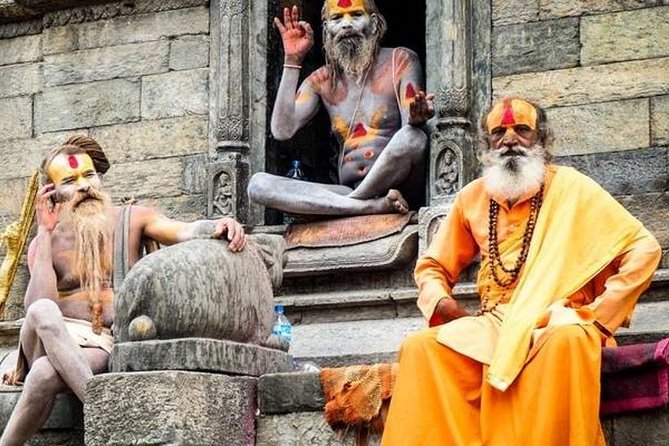
Birla Mandir is a white marble Hindu temple built in 1988. It provides a more modern religious counterpoint to the older forts and palaces. The Monkey Temple, at the holy bathing site of Galta, brings you into a peaceful natural setting among the Aravalli hills. The visit is brief, but it adds a less formal stop to a day otherwise filled with grand buildings.
Six stops make this a very full day. If you care more about City Palace and Jantar Mantar than museums, temples, or quick photo stops, use the private format to set priorities.
More Temples and Religious Sites in New Delhi
- Old Delhi Food-Spice Market-Temples Tour Soon Featured on NETFLIX
★ 5.0 · 304 reviews - Private Delhi Temples and Spiritual Sites 6 Hours Tour
★ 5.0 · 171 reviews - Half-Day Delhi Temple Tour with Pick-Up & Drop-Off
★ 5.0 · 60 reviews - Old Delhi Cultural, Temples, Heritage Walking Street Food Tour
★ 5.0 · 57 reviews
Day 4: The Taj Mahal and Agra’s Mughal monuments
The Agra day begins after breakfast at about 9:30 a.m. The Taj Mahal receives two hours, followed by Itmad-ud-Daula, Agra Fort, and Mehtab Bagh.
The Taj is the obvious centerpiece, and two hours gives you enough time to see the main complex without rushing through it. The white marble mausoleum was built by Shah Jahan in memory of his wife, Mumtaz Mahal. Its fame can make the visit feel familiar before you arrive, but the scale and detail are still striking in person.
Your admission ticket is not included, so factor that into the total cost. Most important, check the weekday of your visit. The Taj Mahal closes every Friday for prayer. One poor experience on this trip came from a date that placed the Taj visit on Friday, and the operator said the closure resulted from an incorrect date selection. This is the single most important planning detail.
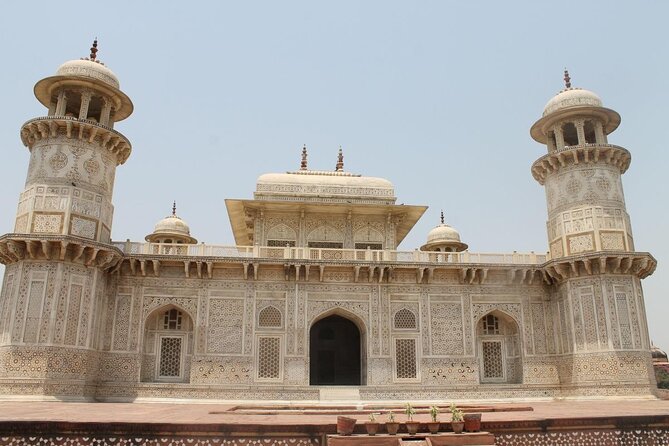
Itmad-ud-Daula is often called the Baby Taj. It is smaller and more delicate, with a jewel-box quality that makes it a good companion to the enormous Taj Mahal. The contrast helps you appreciate how Mughal design developed across different scales.
Agra Fort was built between 1565 and 1573 for Emperor Akbar and later served as a residence for Mughal rulers. The fort offers both impressive walls and views toward the Taj area. It is not just a second fortress after the Red Fort in Delhi. Its connection to the Mughal court makes it essential context for the Taj.
Mehtab Bagh lies across the Yamuna River from the Taj Mahal. The garden is a good place for a different view, especially later in the day. It gives you room to consider the monument away from the main entrance crowds.
The Agra schedule is strong, but ticket costs add up. If you choose the $366.16 option, confirm which hotel category you selected and set aside money for every monument entrance.
Day 5: From Sarnath to the lamps of the Ganges
You travel onward to Varanasi by train, with first or second class tickets included depending on the option selected. On arrival, a representative meets you at the railway station and helps with the hotel check-in.
Sarnath is the first Varanasi-area stop. It is a major Buddhist site and gives the day a quieter, more reflective tone before the evening ceremony. The planned visit is 30 minutes, so the stop is brief.
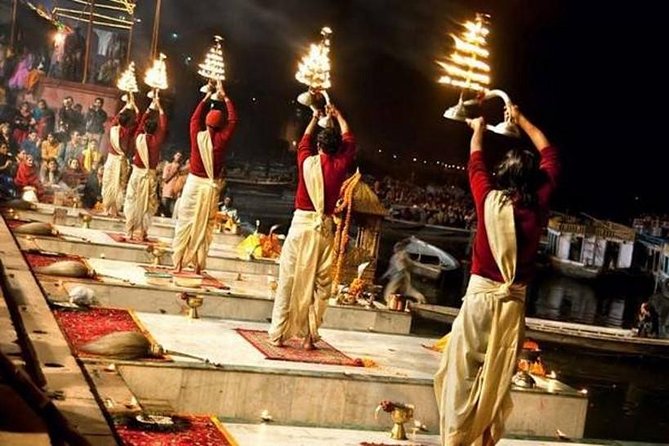
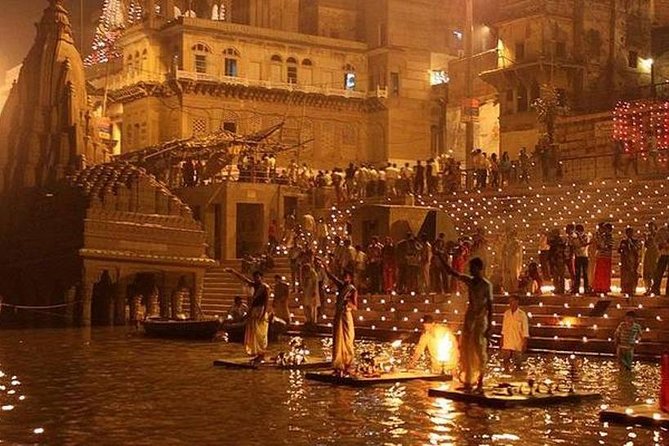
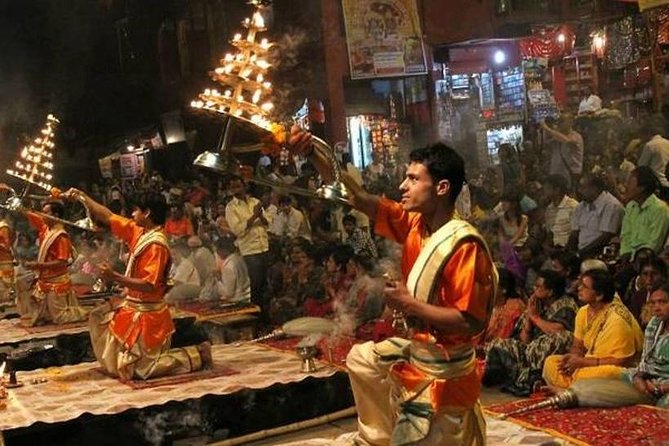
At sunset, you take a cruise on the Ganges for the Ganga Aarti. The included cruise gives you a clear view of the ancient prayer ceremony, when priests raise oil lamps and perform coordinated rituals beside the river. This is the experience named in the tour title, and it is likely to be one of the week’s strongest memories.
The boat provides a useful viewpoint. Instead of trying to find a place along the crowded riverfront, you watch the ceremony from the water. Keep your expectations practical: the cruise lasts about an hour, and the ceremony is a religious event, not a staged show.
Day 6: Sunrise on the Ganges and Varanasi’s ghats
You meet your guide early for a morning boat ride on the Ganges. The two-hour outing is designed around sunrise and the historic ghats, where you see daily religious activity along the river.
This is a different Varanasi from the evening cruise. Morning light, bathers, worshippers, and the long line of riverfront steps create a scene that is more intimate and observational. The boat ride is listed as optional, so confirm whether it is part of your selected package or requires an additional payment.
Dashashwamedh Ghat is the best-known ghat in Varanasi. From the boat, you can watch activity along the steps, including yoga poses and ordinary morning routines. The included stop lasts about an hour, but the boat journey is the main way to understand how the ghats function as part of city life.
Bharat Kala Bhavan houses paintings, Hindu and Buddhist sculptures, and archaeological material. It adds a museum visit to the river experience and gives you more background for the religious art seen elsewhere.
The schedule then sends you by train toward Delhi for an overnight stay. This is a demanding travel day. You should be ready for an early morning, an active afternoon, and another rail journey.
Day 7: Humayun’s Tomb, India Gate, and the Lotus Temple
The final day returns to Delhi sightseeing after breakfast. Humayun’s Tomb, India Gate, and the Lotus Temple provide a clean finish with three very different kinds of landmarks.
Humayun’s Tomb is a grand Mughal mausoleum built for the second Mughal emperor. It helps connect Delhi’s earlier monuments with the architectural ideas later seen at the Taj Mahal. The one-hour visit gives you time to appreciate the building and its grounds.
India Gate is a war memorial honoring more than 70,000 soldiers who died in the First World War and the Third Anglo-Afghan War. The visit is short, but the monument places modern Indian public memory alongside the older imperial sites.
The Lotus Temple is known for its lotus-shaped design and its religious concept. The one-hour visit provides a modern architectural change after several days of forts, tombs, and palaces.
The day ends with hotel or airport drop-off. Confirm your departure timing before choosing this final sightseeing block, since flight schedules are not specified in the tour details.
What the $366.16 price really covers
The advertised price of $366.16 per person is attractive for a private seven-day trip, but it is a starting figure rather than the full holiday cost. The package includes private sedan or SUV transportation, local guides, six breakfasts, six hotel nights, taxes, service charges, and hotel or airport pickup and drop-off.
Train tickets are included in first or second class, depending on your selection. Flight tickets are also available when that option is chosen, but you need to check the exact package before assuming air travel is covered.
The largest extra cost is monument admission. None of the main Delhi, Jaipur, and Agra monument tickets are included, although some stops have no admission fee. The Varanasi boat ride is also listed as optional, while the sunset Ganga Aarti cruise is included.
The value is strongest if you want one company to coordinate cars, guides, hotels, station transfers, and rail travel. It is less compelling if you prefer to arrange budget hotels and individual sightseeing yourself. Also check the selected hotel level carefully. Options include 3-star, 4-star, and 5-star accommodation, so the price and comfort can vary.
Guides, drivers, and the private format
The most praised part of the service is the human support. Guides and drivers in Delhi, Jaipur, Agra, and Varanasi are described as attentive, patient, friendly, and helpful. One driver named Siri received special praise for being calm, safe, and dependable.
That matters in North India, where a good driver can reduce the stress of long road transfers. Local guides also help you read the monuments instead of simply walking past them. The quality may vary by city, so tell the company what kind of guiding you prefer, such as architecture, religion, photography, or archaeology.
The private format means only your group participates. You can ask to shorten a stop, spend longer at a favorite monument, or remove a less important visit. Do not assume every adjustment is automatic. One useful piece of advice from the experience is to take control of the schedule and speak up when a full sightseeing day followed by a five to six-hour drive is too much.
Who should book this North India tour?
I would recommend this trip to a first-time visitor who wants the major sights organized in one package. It suits you if you value private transportation, local guides, hotel support, and the reassurance of having someone meet you at the railway station.
It is also a good fit if the Taj Mahal and Ganga Aarti are your priorities, but you want more than a short Golden Triangle trip. Varanasi changes the character of the holiday and adds an important religious dimension.
I would be more cautious if you dislike early starts, long drives, repeated hotel changes, or tightly scheduled sightseeing. This is a see a great deal in seven days trip, not a slow holiday. Ask for a customized plan if you want more rest or fewer minor stops.
The overall score is 4.9 from 50 ratings, with 98 percent recommending the experience. That strong result fits the tour’s best qualities: thoughtful transport, caring staff, and an impressive list of places. The main weaknesses are the pace, extra entry fees, and the need to confirm dates and hotel details closely.
Should you book it?
Book this tour if you want a private, well-supported introduction to Delhi, Jaipur, Agra, and Varanasi, and you accept that the week will be full. The combination of the Taj Mahal, Amber Fort, Jaipur’s astronomical instruments, and two very different Ganges experiences gives you real variety for the price.
Before paying, confirm the exact hotel category, train or flight option, monument fees, boat costs, and the Taj Mahal date. If Friday falls on your Agra visit, request a change. With those details settled, this is a strong choice for an ambitious first visit to North India.
FAQ
How long is the Delhi, Agra, Jaipur, and Varanasi tour?
The tour lasts approximately seven days and includes six nights of accommodation.
Is this a private tour?
Yes. Only your group participates, and the tour uses private transportation and private local guides.
What cities does the tour visit?
The route includes New Delhi, Jaipur, Agra, and Varanasi, with a visit to Sarnath near Varanasi.
Is hotel pickup included?
Yes. Pickup is offered from a Delhi hotel or airport, and hotel or airport drop-off is included.
Are hotel stays included?
Yes. Six nights of hotel accommodation are included according to the hotel option selected. Options include 3-star, 4-star, and 5-star hotels.
Are breakfasts included?
Yes. Six breakfasts are included.
Are monument admission fees included?
No. Entry and admission fees for monuments are extra.
Is the Ganga Aarti cruise included?
Yes. The sunset Ganga Aarti cruise is listed as included. The Varanasi boat rides are also described as optional, so confirm the exact boat service included with your selected package.
Are train tickets included?
Yes. AC first class or second class train tickets are included according to the selected option.
Is the Taj Mahal open every day?
No. The Taj Mahal is closed on Fridays for prayer, so you should check your dates carefully before booking.
Can the tour be canceled for a refund?
You can cancel at least 24 hours before the experience start time for a full refund. Cancellations or changes made less than 24 hours before the start time are not accepted for a refund.
More Golden Triangle Tours in New Delhi
- 3-Days Private Golden Triangle Tour: Delhi, Agra & Jaipur by Car
★ 5.0 · 1,107 reviews - 3-Days Private Golden Triangle Tour: Delhi, Agra & Jaipur by Car
★ 5.0 · 1,098 reviews - 3-Day Delhi, Agra and Jaipur Private Tour – India Golden Triangle
★ 5.0 · 812 reviews - Four-Day Private Luxury Golden Triangle Tour to Agra and Jaipur From New Delhi
★ 5.0 · 807 reviews
Just added in New Delhi
- Old Town Delhi Walking Tour (2 Hours Guided Tour with Local)★ 4.5 · 22 reviews
- Yoga class in Delhi★ 5.0 · 29 reviews
- Unveil Old Delhi’s Food, Spice Market & Heritage Walk★ 5.0 · 26 reviews
- Vegetarian : Private Cooking Class in Delhi home ( Learn 7 meal)★ 5.0 · 58 reviews
- Private Taj Mahal & Agra Fort Tour, Dine with a View★ 5.0 · 27 reviews
- Tour to Akshardham temple with Guide and Delhi Transfer★ 5.0 · 26 reviews
- Private Tour of Taj mahal from Delhi by Train in 90 Min★ 5.0 · 46 reviews
- Private 2-Day Agra & Delhi Tour by Car–Includes Taj Mahal Sunrise★ 5.0 · 11 reviews
Taj Mahal Tours, compared.

Same Day Taj Mahal, Agra Fort & Baby Taj Tour from Delhi by Car
Read our review →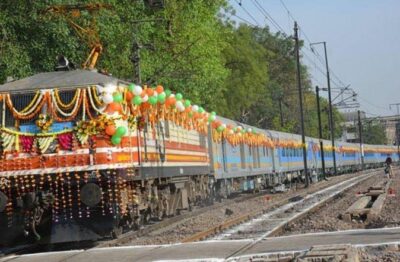
Taj Mahal Day Tour from Delhi by Superfast Train – TOP RATED TOUR
Read our review →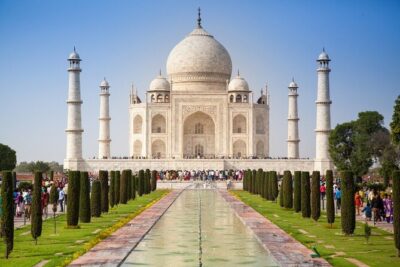
Full Day Taj Mahal, Agra Fort & Baby Taj Tour from Delhi by Car
Read our review →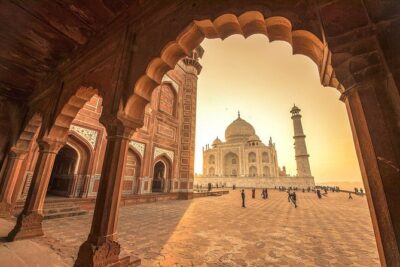
Taj Mahal & Agra Private Day Trip with Transfers
Read our review →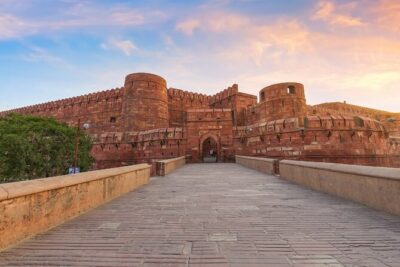
Taj Mahal Tour from Delhi by Express Train (Viator Award Winner)
Read our review →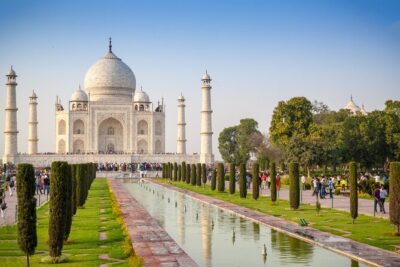
All Inclusive Private Taj Mahal Luxury Tour from Delhi by Car
Read our review →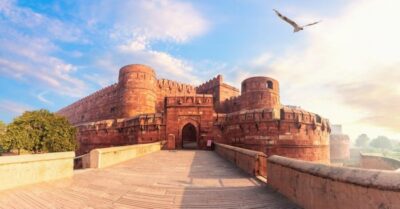
Same Day Taj Mahal, Fort & Baby Taj Tour from Delhi by Car
Read our review →
Browse the lists this tour appears in