
Reviewed · GUWAHATI TOURS
Amchong Tea Estate + Factory Visit (with Hi-tea only)
Tea tells Assam’s story one leaf at a time. The Amchong Tea Estate visit gives you a close look at that story, from nursery plants and hand-plucking to factory processing and final tasting. I like the clear factory tour, where you see withering, rolling, fermenting, drying, and sorting in order. I also like the tea tasting, which shows how processing and harvest timing change a cup’s aroma and flavor.
The main drawback is the short, practical nature of the visit. You get about two to three hours, not a full day in the country, and the vehicle is not air-conditioned. You should also be comfortable walking around a working tea estate, since a moderate level of fitness is requested.
In This Review
- Key points to know before you go
- Why Amchong works as a short Guwahati outing
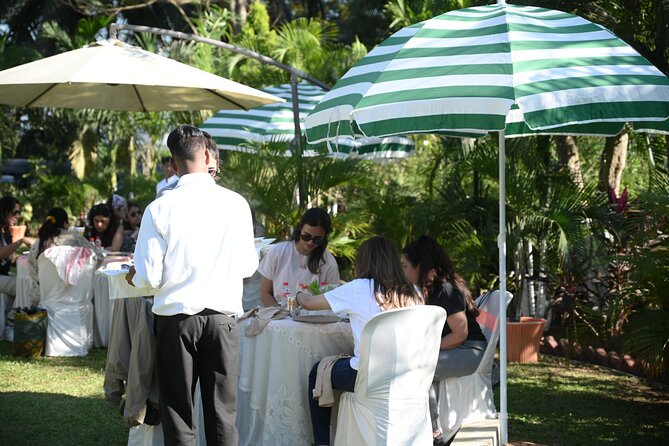
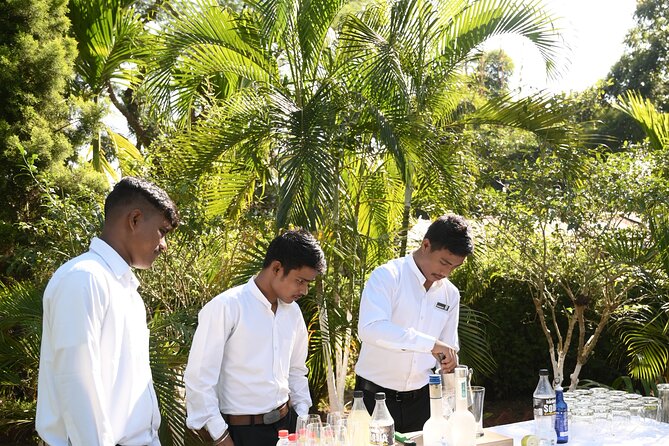
- Welcome drinks at the Directors’ bungalow
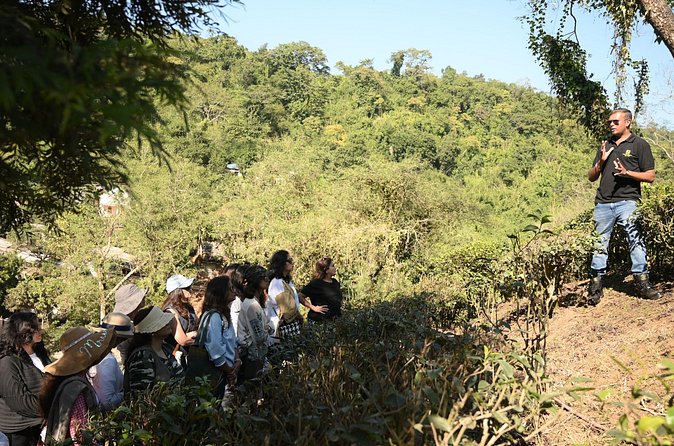
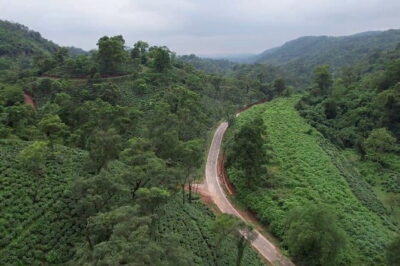
- Walking through Amchong’s tea fields
- Inside the factory: five steps that shape the cup
- Tea tasting at the end of the tour
- What the $16.84 price really covers
- Timing, weather, and practical preparation
- Who will enjoy Amchong most
- Should you book this tea estate visit?
- FAQ
- Where does the Amchong Tea Estate visit start?
- Where does the activity end?
- How long does the tour take?
- What are the opening hours?
- Is the tour private?
- Is transportation included?
- What tea production stages will I see?
- What food and drinks are included?
- Is lunch included?
- What happens if the weather is poor?
Key points to know before you go
- See tea from plant to packet: The tour connects the nursery, tea pluckers, factory machines, sorting, and tasting in one compact visit.
- Meet the working side of the estate: You can see pluckers at work and try on the traditional basket and hat used in the fields.
- Taste more than one style: The tasting compares teas made by different methods and at different times of year.
- Start and finish at the bungalow: Your welcome drink, refreshments, and closing snacks are served at the Directors’ bungalow.
- Private for your group: Although the activity is described as a guided group tour, only your own booked group participates.
- A useful Guwahati escape: The estate is a short drive from Guwahati by the Sathgaon road through the army camp, according to the available trip details.
Why Amchong works as a short Guwahati outing
Guwahati is a useful base for Assam, but a city stay can leave you with little sense of the region’s tea culture. Amchong Tea Estate gives you that missing connection without requiring a long multi-day trip. The estate is at Jubai No. 2 in Assam, and the visit begins and ends at Amchong Tea Estate.
At $16.84 per person, this is priced as an accessible half-day outing rather than a luxury plantation stay. The fee covers the guide, entry fees, drinks, snacks, bottled water, and tea tasting. That matters because the extras are not left to chance. You can arrive expecting a simple refreshment stop, an estate walk, a factory visit, and food at the end.
The tour has a published rating of 4.9 from 30 ratings, with 100 percent recommendation. The strongest praise focuses on the informative presentation, calm green setting, and pleasant views. Those are the right reasons to choose this visit. It is not built around grand buildings or elaborate entertainment. Its appeal comes from seeing a real tea operation explained in a friendly, organized way.
You should allow roughly two to three hours for the full visit. That is enough time for a useful introduction, but not enough for a slow, all-day wander. If you are fitting Amchong between other Guwahati plans, the compact timing is a real advantage.
A few more options to weigh up in India
- Kamakhya Heritage Walking Tour
★ 5.0 · 57 reviews - 6D/5N Assam & Meghalaya
★ 5.0 · 49 reviews - Guwahati Tea Garden tour @ Amchong
★ 5.0 · 28 reviews
Welcome drinks at the Directors’ bungalow
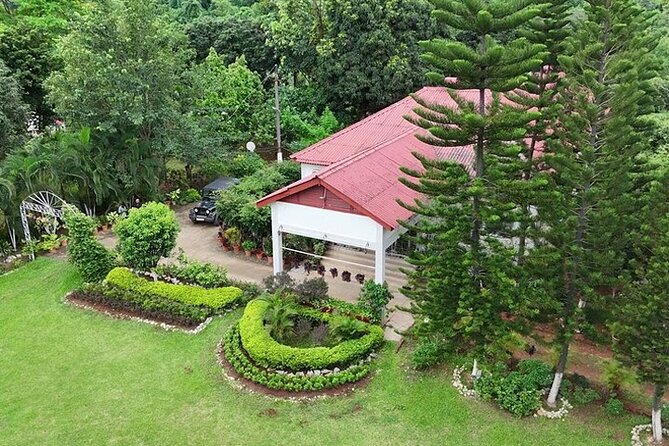
The visit starts at the Directors’ bungalow, where you receive a welcome and a refreshing drink. This first 15-minute stop gives you time to arrive, settle in, and meet the people handling the tour.
A second 15-minute refreshment stop is also included. The schedule may feel a little repetitive if you want to reach the fields quickly, but it gives the visit an unhurried opening. Tea estates are working places, and a short pause helps set the pace before the walking portion begins.
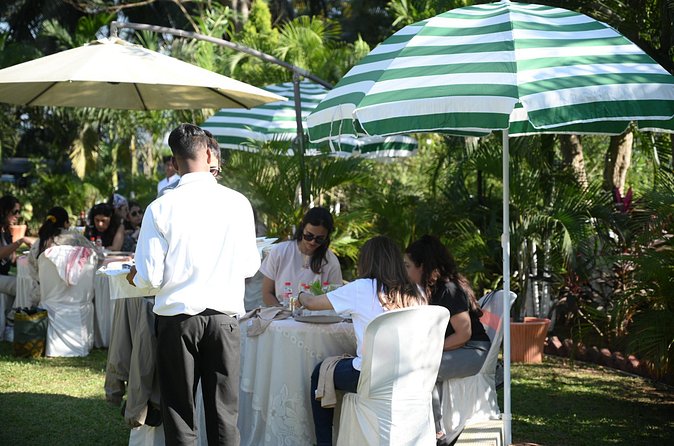
The bungalow is also where you return at the end for snacks and freshly made tea from the garden. The included food is vegetarian: a vegetable sandwich and pakora made with onion, potato, and tea leaves, served with tea. That final snack is more interesting than a generic packaged refreshment, especially because tea leaves appear in one of the pakora options.
If you need a full meal, plan ahead. Lunch is not included, though it can be pre-booked for an additional charge. Dinner is not included either.
Walking through Amchong’s tea fields
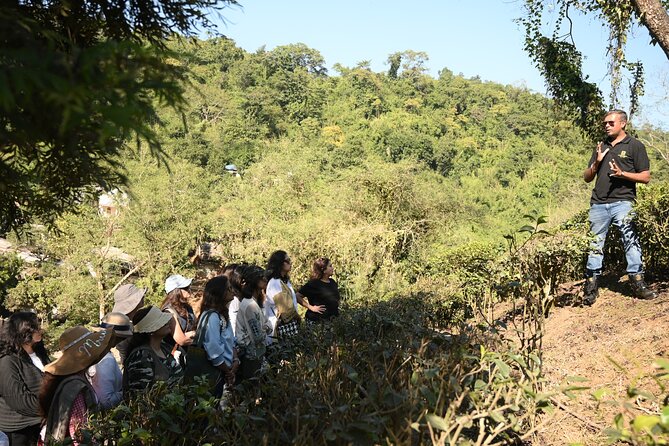
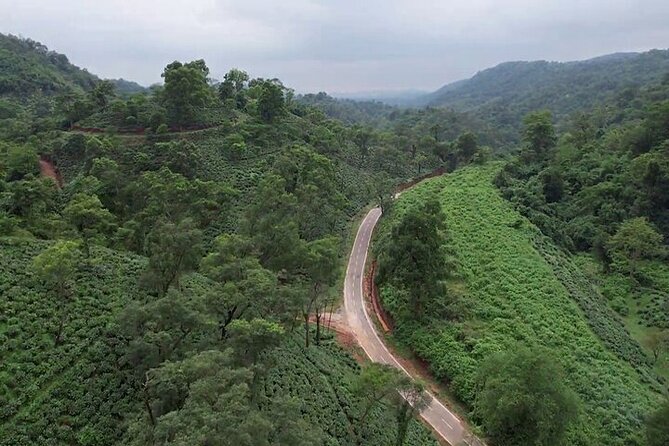
After the welcome, you are introduced to the guide and taken on a walking tour around the plantations. A 4×4 vehicle is used for the journey through the estate, which helps cover more ground than a visit limited to the bungalow and factory.
The guide explains how tea is grown and gives a basic account of how it is made. This background is important because tea production can seem simple from the outside: green leaves go into a basket, then somehow become the drink in your cup. The estate walk fills in the missing steps.
One especially useful stop is the nursery. This is the starting point for cultivation, where young tea plants are raised before they become part of the wider plantation. Seeing the nursery gives you a better sense of tea as an agricultural crop, not just a finished product on a shop shelf.
You also meet tea pluckers in action. The tour lets you try on the traditional baskets and hats, which adds a hands-on touch without turning the visit into a staged show. It helps you understand the physical work involved in collecting leaves across the plantation.
The walk is one of the best parts for anyone interested in everyday work and local production. You are not only looking at rows of plants. You are seeing the people, tools, and early stages behind the tea.
Still, this is not a trail walk in the usual outdoor sense. You need a moderate physical fitness level, and the tour information does not promise a flat or fully accessible route. Wear practical shoes and be ready to walk around an agricultural site. The estate’s green setting is a major part of its charm, but comfort can depend on weather and ground conditions.
Inside the factory: five steps that shape the cup
The factory visit lasts about an hour and is the most educational part of the experience. The guide explains the main stages of tea processing, including withering, rolling, fermenting, drying, and sorting.
Withering begins the transformation. Freshly plucked leaves lose moisture, making them easier to handle and changing their texture. The process is not just about drying the leaves out. It prepares them for the stages that follow.
Rolling breaks and shapes the leaves. This helps release material from inside the leaf and affects how the tea develops. You may find that this part makes the factory process easier to understand because it shows how much physical treatment goes into producing a consistent tea.
Fermenting is another key stage. In tea production, this changes the leaf’s character, color, aroma, and eventual flavor. The exact result depends on how the factory manages the process. The guide’s explanation is valuable here because the names of the stages alone do not tell you what each one does.
Drying stops the active changes and prepares the tea for handling. Finally, sorting separates the processed tea into grades or categories. This is where the factory begins to look less like a collection of machines and more like a system designed to produce repeatable results.
The factory stop is particularly useful if you normally drink tea without thinking about its manufacture. You leave with a better understanding of why two teas from the same region can taste different. You also gain a practical vocabulary for the tasting that follows.
The factory may not suit you if you expect a polished museum-style display. This is a working production visit, and the focus is on seeing the stages and hearing them explained. The attraction is the process itself, not theatrical presentation.
A completely different kind of day out:
- Old & New Delhi City Tour – Half or Full Day Options Available
★ 5.0 · 4,811 reviews - Old & New Delhi City Tour – Choose Half or Full Day Experience
★ 5.0 · 4,513 reviews - Same Day Taj Mahal, Agra Fort & Baby Taj Tour from Delhi by Car
★ 5.0 · 4,304 reviews - Taj Mahal Day Tour from Delhi by Superfast Train – TOP RATED TOUR
★ 5.0 · 4,166 reviews
Tea tasting at the end of the tour
The 30-minute tasting session brings the visit together. You can compare teas made in different ways and during different times of the year, paying attention to aroma, flavor, and appearance.
This is where the factory explanation becomes useful. Instead of judging tea only as strong or weak, you can think about color, fragrance, body, and finish. The tasting also shows that tea from one estate is not a single fixed product. Processing choices and seasonal timing make a difference.
I like this part because it gives you a simple way to remember the visit. You have walked among the plants, seen the people who pluck the leaves, watched the factory stages, and then tasted the result. The sequence is clear.
The tasting is also a good reason to avoid rushing through the earlier stops. If you only want a quick cup and a few photos, you can find tea in many places around Guwahati. Amchong is more worthwhile when you pay attention to how the cup connects to the estate.
After the tasting, you return to the bungalow for light snacks and freshly made tea from the garden. You can also buy tea to take home as a souvenir or gift. Since the tour fee does not include purchased tea, bring a little extra money if you want to shop.
What the $16.84 price really covers
The price is modest for a private activity that includes several guided components. Your fee covers all entry charges and taxes, a tour guide, bottled water, coffee or tea, vegetarian snacks, the tasting, and the estate and factory visits.
The private format is worth noting. Only your group participates, so you are not placed with a large mixed party. That can make the guide’s explanation easier to follow and may give you more room to ask questions. The supplied details do not promise a fixed private vehicle arrangement, though a 4×4 is part of the estate journey.
There are limits to the value. Air conditioning is not included, so do not expect a cooled vehicle during the estate transfer. Lunch costs extra if you want it, and dinner is not part of the package. The tour is best seen as a focused tea visit with refreshments, not a complete day of meals and sightseeing.
For the price, I think the strongest value comes from the combination of factory access and tasting. A garden walk alone could feel brief. A tasting alone would lack context. Together, the stops explain both the crop and the finished drink.
Timing, weather, and practical preparation
The listed opening hours are 8:00 AM to 4:00 PM daily, for dates from February 25, 2025 through January 19, 2027. Morning visits may be appealing if you prefer cooler conditions, but the available information does not identify a single required start time.
The activity requires good weather. If poor weather causes cancellation, you are offered another date or a full refund. You can also cancel for a full refund if you do so at least 24 hours before the start time. Cancellations or changes made inside that 24-hour window are not refunded or accepted.
The starting point is Amchong Tea Estate, Jubai No. 2, Assam 782401, India. The visit returns to the same meeting point. A mobile ticket is available, and confirmation is received when you book.
For comfort, I would choose light clothing, practical shoes, and protection from sun or rain. These suggestions follow from the estate walk and weather requirement, not from a promise of special equipment. Since the vehicle is not air-conditioned, prepare for a warm ride if conditions are hot.
Who will enjoy Amchong most

I would choose this visit if you want a manageable introduction to Assam tea without committing to a long plantation stay. It suits people who enjoy seeing how ordinary products are made, as well as anyone looking for a quieter change from Guwahati’s city streets.
Families may appreciate the 4×4 ride, the tea plucker baskets and hats, and the tasting. The private format can also be easier for a small group than a large scheduled excursion. That said, the moderate fitness requirement means you should consider the walking portion before booking for anyone with mobility concerns.
Tea drinkers will get the most from the factory and tasting. You do not need specialist knowledge, but curiosity helps. If you are mainly interested in architecture, nightlife, or a long scenic drive, this may feel too focused.
The experience also suits gift shoppers. You can buy estate tea at the end, giving you a practical souvenir with a direct connection to the place you visited. It is more meaningful than picking up an anonymous packet at the airport.
Should you book this tea estate visit?
Book it if you want a short, good-value introduction to Assam’s tea industry. The combination of nursery, pluckers, traditional equipment, factory stages, tasting, and snacks gives the visit a clear beginning and end.
Skip it if you need air-conditioned transport, a full meal included, or a long day with many different sights. The outing is compact, weather-dependent, and centered firmly on tea.
For most visitors with two or three free hours in Guwahati, I think Amchong is an easy recommendation. Its best feature is not one spectacular stop. It is the way the parts fit together, so you can see how a leaf becomes a cup and then taste the result for yourself.
FAQ
Where does the Amchong Tea Estate visit start?
It starts at Amchong Tea Estate, Jubai No. 2, Assam 782401, India.
Where does the activity end?
The visit ends back at the same meeting point at Amchong Tea Estate.
How long does the tour take?
The full experience lasts approximately two to three hours.
What are the opening hours?
The estate is listed as open from 8:00 AM to 4:00 PM, Monday through Sunday, for the stated operating dates.
Is the tour private?
Yes. Only your own booked group participates in the private activity.
Is transportation included?
A 4×4 vehicle is used for the journey around the estate. The vehicle is not air-conditioned.
What tea production stages will I see?
You will see withering, rolling, fermenting, drying, and sorting at the factory.
What food and drinks are included?
The package includes bottled water, coffee or tea, a vegetable sandwich, and pakora made with onion, potato, and tea leaves, served with tea.
Is lunch included?
No. Lunch can be pre-booked for an additional charge. Dinner is not included.
What happens if the weather is poor?
The experience requires good weather. If it is canceled because of poor weather, you will be offered another date or a full refund.
Just added in India
- Five Days Golden Triangle Tour with Ranthambore Delhi Agra Jaipur★ 5.0 · 11 reviews
- 5 Days Golden Triangle Tour with Ranthambore India★ 5.0 · 10 reviews
- 5 Days Golden Triangle Tour with Ranthambore Delhi Agra Jaipur★ 5.0 · 11 reviews
- Delhi, Agra, Jaipur & Ranthambhore Tiger Safari 5-Day Tour★ 5.0 · 47 reviews
- 5-Day Private Luxury Golden Triangle Tour From Delhi★ 5.0 · 45 reviews
- Private 5 Days Golden Triangle Tour – Visit Delhi Agra and Jaipur★ 5.0 · 26 reviews
- 5-Day Private Delhi, Agra and Jaipur with Ranthambhore Tiger Tour From Delhi★ 5.0 · 44 reviews
- 5-Day Private Golden Triangle Tour: Delhi, Agra, and Jaipur★ 5.0 · 62 reviews
Guwahati Tours, compared.
Guwahati Tea Garden Tour with Lunch & Hi Tea (Premium Experience)
Read our review →
5-Day Private Tour in Meghalaya with Meals and Accommodation
Read our review →

Guwahati Day Tour with Assamese Lunch and Sunset River Cruise
Read our review →Browse the lists this tour appears in