
Reviewed · GOLDEN TRIANGLE TOURS
8 Days Tour of Essential India & Classic Nepal – Golden Triangle with Kathmandu
Four cities, two countries, eight busy days. This private tour packs India’s Golden Triangle and Kathmandu Valley into one carefully arranged route, with Delhi’s Mughal monuments, Agra’s Taj Mahal, Jaipur’s royal buildings, and Nepal’s sacred temples all on the menu. I like the direct flight from Jaipur to Kathmandu via Delhi, and I like having private guides and a chauffeur-driven vehicle rather than joining a larger coach.
The best parts are the early Taj Mahal visit and the strong mix of famous sights with less expected stops such as Chand Baori, Galtaji Temple, and Dhulikhel. I also appreciate the attention to comfort: bottled water, monument entrance fees, airport transfers, the Jaipur to Kathmandu flight, and transport by air-conditioned car are included. The main concern is pace. Eight days is tight, and Day 5 in particular combines a morning temple visit, an airport transfer, a connecting flight, and an evening in Kathmandu.
In This Review
- Key Points Before You Book
- What This Eight-Day Route Really Offers
- Delhi Begins With Mughal Power and New India
- From Akshardham to Agra Fort
- Sunrise at the Taj Mahal and the Road to Jaipur
- Jaipur’s Forts, Palaces, and Astronomical Instruments
- The Move From Jaipur to Kathmandu
- Kathmandu’s Sacred Core on Day 6
- Patan, Bhaktapur, and Pashupatinath
- Dhulikhel and the Final Morning
- What the $1,796 Price Includes
- Who Should Choose This Tour?
- Should You Book the India and Nepal Tour?
- FAQ
- Where does the tour begin and end?
- Is this a private tour?
- Is the flight from Jaipur to Kathmandu included?
- How much checked baggage is allowed on the flight?
- Is hotel accommodation included?
- Are meals included?
- When is the Taj Mahal closed?
- Is the Nepal visa included?
- Is a Mount Everest flight included?
Key Points Before You Book
- A private route through four major cities: Delhi, Agra, Jaipur, and Kathmandu are covered without sharing the vehicle or guides with other tour groups.
- The Taj Mahal comes early: You visit around sunrise, when the light can be beautiful and the crowds may be lighter, though weather can affect the view.
- Jaipur gets a full cultural day: Amber Fort, City Palace, Jantar Mantar, Hawa Mahal, Jal Mahal, and Patrika Gate give you a broad look at the Pink City.
- Kathmandu includes three UNESCO sites: Swayambhunath, Kathmandu Durbar Square, and Boudhanath Stupa appear on Day 6, followed by Patan, Bhaktapur, and Pashupatinath.
- The international move is arranged for you: The Jaipur to Kathmandu flight connects through Delhi, with a 20-kilogram checked baggage allowance.
- The price can be good value: At $1,796 per person, the package includes seven nights of hotel accommodation when that option is selected, seven breakfasts, sightseeing, transport, entrance fees, and the India to Nepal flight.
What This Eight-Day Route Really Offers
This is not a slow, stay-in-one-place holiday. It is a concentrated introduction to two countries, designed for someone who wants to see the major monuments without arranging every driver, hotel, guide, and transfer separately.
You begin in Delhi and move west to Agra, then Jaipur. From Jaipur, you fly to Kathmandu and spend the final three days exploring the Kathmandu Valley. That order makes sense, since it follows the classic Golden Triangle route and avoids returning to Delhi by road after Jaipur.
The private format matters here. India’s roads, city traffic, and monument entrances can feel confusing on a first visit. Having a guide meet you at your chosen location and a car available throughout the Indian portion should make the trip less tiring. You also receive unlimited bottled mineral water in the vehicle, a small inclusion that becomes useful during long road days.
Still, you should expect early starts, traffic delays, and several hours in the car. Transfer times are approximate. The exact duration depends on traffic, which can alter the feel of an otherwise well-planned day.
More Golden Triangle Tours in New Delhi:
- 3-Days Private Golden Triangle Tour: Delhi, Agra & Jaipur by Car
★ 5.0 · 1,107 reviews - 3-Days Private Golden Triangle Tour: Delhi, Agra & Jaipur by Car
★ 5.0 · 1,098 reviews - 3-Day Delhi, Agra and Jaipur Private Tour – India Golden Triangle
★ 5.0 · 812 reviews
Delhi Begins With Mughal Power and New India
Your first full day starts at 8 AM with a visit to Humayun’s Tomb. This red sandstone and white marble monument is one of Delhi’s most important Mughal buildings, and its formal gardens help you understand the design ideas later seen at the Taj Mahal. The scheduled visit lasts about 45 minutes.
From there, the route moves into Old Delhi for the Red Fort, Jama Masjid, and Chandni Chowk. The Red Fort was built in the 17th century and served as a seat of power for generations of Mughal rulers. The complex is much larger than the famous outer walls suggest, so your guide’s explanation will help turn the visit from a quick photo stop into a meaningful introduction to imperial Delhi.
Jama Masjid, built between 1644 and 1656 under Shah Jahan, is one of India’s largest mosques. Dress respectfully, and expect a more active street setting than at Humayun’s Tomb. The nearby Chandni Chowk market adds a completely different note, with spices, dried fruit, silver jewelry, and colorful saris. You have about 45 minutes here, enough for a short walk and a first taste of Old Delhi, but not enough for a serious shopping expedition.
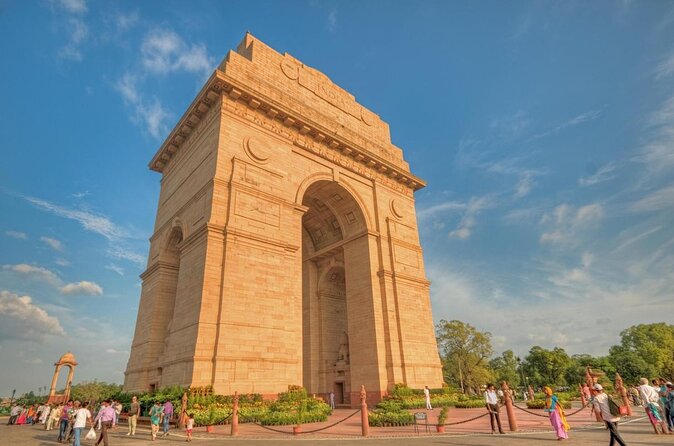
After lunch time, you visit Gurudwara Bangla Sahib, an important Sikh place of worship near Connaught Place. Its white architecture and religious role offer a welcome change from the Mughal monuments. The tour then passes India Gate, the 42-meter war memorial built in 1931, along with the President’s House and parliamentary buildings in Lutyens’ Delhi.
The day ends at Qutub Minar, a UNESCO World Heritage Site and a 73-meter brick minaret built in the 12th century. The complex deserves its 90-minute allocation. It brings together several layers of Delhi’s past, and the carved stonework gives you a final look at the city’s early Islamic architecture.
This is a full day, but the variety is the reward. You get imperial monuments, a living market, a Sikh shrine, modern government buildings, and an ancient minaret in one sweep.
From Akshardham to Agra Fort
Day 2 opens at Swaminarayan Akshardham, one of the largest Hindu temples in the world. The visit lasts about an hour and adds a more recent religious and architectural style to the itinerary. Akshardham closes on Mondays, so the operator may adjust the order if your schedule falls on that day.
You then travel to Agra, home of the Taj Mahal and Agra Fort. The fort receives about an hour, which gives you time to see its courtyards, gates, and Yamuna River views. Agra Fort is not just a second monument after the Taj Mahal. It helps explain the power of the Mughal court and the setting in which the Taj was created.
Later, Mehtab Bagh sits across the river from the Taj Mahal. The garden is aligned with the monument and is intended to offer views at sunset or sunrise. It is a quieter counterpoint to the main Taj Mahal visit, although visibility depends on weather and river conditions.
The day is less crowded with stops than Day 1, but the road journey from Delhi to Agra still takes time. That balance is sensible. You need the evening to rest before the early start on Day 3.
Sunrise at the Taj Mahal and the Road to Jaipur
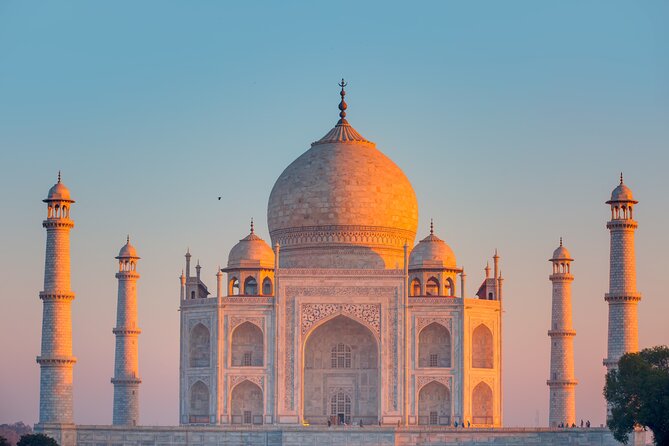
The Taj Mahal visit begins early, with tea or coffee available in your room before meeting the guide. You spend about two hours at the monument, which is enough time to take in the main structure, surrounding buildings, and changing morning light without treating the visit like a rushed photo stop.
The Taj Mahal is closed every Friday. If your planned visit falls on that day, the schedule is adjusted to visit on the previous day. Sunrise views also depend on weather, so you should think of the early start as the best opportunity rather than a guaranteed clear-sky scene.
After breakfast and checkout, you drive toward Jaipur. The first major stop is Fatehpur Sikri, a UNESCO World Heritage Site and former Mughal capital. Its red sandstone buildings make a strong contrast with the Taj Mahal’s white marble, and the city’s empty royal courtyards give you a sense of how quickly political centers could change.
Next comes Chand Baori in Abhaneri, a step-well formed by hundreds of geometric steps descending toward the water. It is one of the most unusual stops on the route. A local guide explains the purpose of baoris, which were practical water structures as well as striking works of design.
You reach Jaipur by early evening and visit Birla Mandir, a white marble temple at the foot of Moti Dungri Hill. This stop gives you a calm end to a long driving day. I would not underestimate the length of Day 3. The Taj Mahal, two major stops, and the journey to Jaipur make this one of the tour’s most demanding days.
A few more options to weigh up in New Delhi
- Old & New Delhi City Tour – Half or Full Day Options Available
★ 5.0 · 4,811 reviews - Same Day Taj Mahal, Agra Fort & Baby Taj Tour from Delhi by Car
★ 5.0 · 4,304 reviews - Taj Mahal Day Tour from Delhi by Superfast Train – TOP RATED TOUR
★ 5.0 · 4,166 reviews - Full Day Taj Mahal, Agra Fort & Baby Taj Tour from Delhi by Car
★ 5.0 · 3,647 reviews
Jaipur’s Forts, Palaces, and Astronomical Instruments
Day 4 is the most complete sightseeing day in Jaipur. You begin at Amber Fort, outside the city, with about three hours allocated. The fort’s courtyards, gateways, and hill setting offer the grandest architectural experience in Jaipur. A jeep ride to and from the fort is included if you prefer not to walk uphill.
Jal Mahal follows as a short photo stop. The palace sits in Man Sagar Lake and is best appreciated from the shore, since the visit is limited to about 15 minutes. Hawa Mahal receives roughly 20 minutes. Its famous facade has 953 small windows, designed to allow royal women to observe street life while remaining screened from view. The stop is brief, so take your photos quickly.
At City Palace, you have about 90 minutes to see the blend of Mughal and Rajasthani design. The palace remains connected to Jaipur’s royal family, which gives the complex a living dimension rather than making it only a museum.
Jantar Mantar is another strong stop. This UNESCO-listed observatory uses large stone instruments to calculate time and the position of celestial bodies. It is easier to appreciate with a guide, since the instruments can look abstract until someone explains how they work.
The day ends at Patrika Gate, a newer monument and popular photo location decorated with painted arches and scenes from Rajasthani culture. It is not an ancient site, but it provides a colorful final stop and a change of pace after the fort and palace visits.
The Move From Jaipur to Kathmandu
Day 5 begins at Galtaji Temple, a temple complex in a gorge surrounded by hills. The setting is the attraction as much as the architecture, and the one-hour visit gives you a final Jaipur experience before heading to the airport.
The flight from Jaipur to Kathmandu connects through Delhi. The scheduled flight time is listed at about five hours, but you should allow for airport procedures and the connection. Checked baggage is limited to 20 kilograms under the scheduled airline allowance.
After arriving in Kathmandu, a guide meets you at the airport and transfers you to your hotel. You then have a short introduction to Thamel, Kathmandu’s well-known visitor district, with about 90 minutes planned. This evening is more about getting oriented than seeing major monuments.
This is the least relaxed day. The combination of a temple, airport transfer, connecting flight, hotel check-in, and evening walk makes it important to keep your expectations realistic. The advantage is that the complicated international move is arranged for you.
Kathmandu’s Sacred Core on Day 6

Day 6 covers three of Kathmandu’s key cultural sites. Swayambhunath Stupa, often associated with its hilltop location and panoramic views, begins the day with Buddhist symbolism and a strong sense of place.
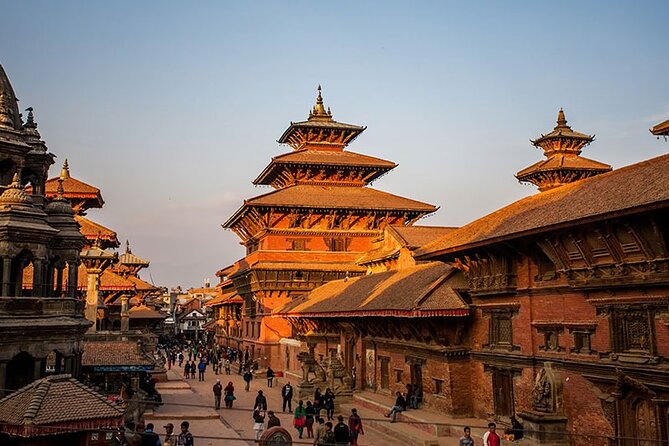
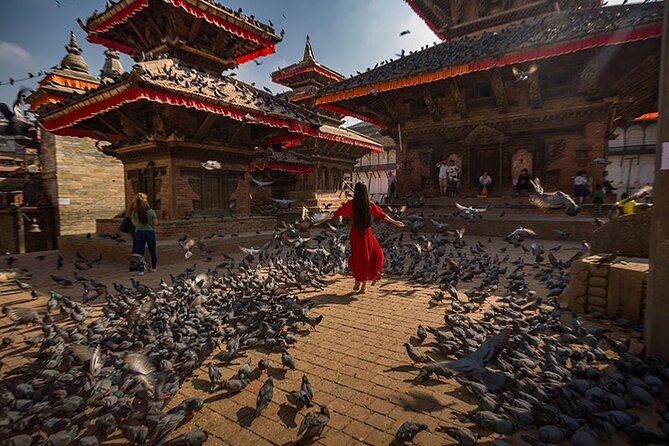
Kathmandu Durbar Square follows. This UNESCO site combines palace courtyards, Hindu and Buddhist shrines, and spaces still used for religious rituals. The scheduled 90 minutes gives you time to see the principal areas, though you may want more time if you enjoy architectural detail.
Boudhanath Stupa is another major Buddhist site and one of Kathmandu’s most recognizable structures. Its large circular form and prayer-centered atmosphere make it quite different from the palace squares. Again, 90 minutes is a useful introduction without allowing for a slow, unstructured visit.
A one-hour singing bowl session is listed, but its admission is not included. Treat this as an optional extra and confirm the cost before taking part. Dinner at Nepali Chulo is included, giving you a chance to try Nepalese food after a full day of sightseeing.
Patan, Bhaktapur, and Pashupatinath
Day 7 crosses the Kathmandu Valley for three more important sites. Patan, also called Lalitpur, is known for its craftsmen and preserved traditional art techniques. Patan Durbar Square receives 90 minutes and is especially worthwhile if you enjoy carved wood, metalwork, and temple design.
Bhaktapur Durbar Square offers another view of the valley’s medieval cities. Its formal squares and buildings make it one of the most rewarding stops on the Nepal portion. Admission is not included here, so budget separately for the entrance fee.
Pashupatinath Temple completes the day. Dedicated to Shiva, it is one of Nepal’s most important Hindu pilgrimage sites and one of the country’s UNESCO-listed places. Non-Hindu access within the temple itself may be limited, but the complex and river setting still make this a valuable visit. The planned 45 minutes is fairly short, so your guide’s explanation will help you focus on the areas open to you.
Dhulikhel and the Final Morning
The last morning takes you to Dhulikhel, about 30 kilometers from Kathmandu Durbar Square and 15 kilometers from Bhaktapur. The village is included for its Himalayan views, particularly the chance to see snow-capped peaks when weather allows.
You return to the hotel for breakfast, after which the tour services end. Drop-off is available at Kathmandu Airport, your hotel, or another chosen location in Kathmandu. The final morning is deliberately lighter than the preceding days, which is helpful if you are flying onward.
An optional Mount Everest flight is not included. It is also subject to weather conditions, so you should arrange and pay for it separately if that experience matters to you.
What the $1,796 Price Includes
At $1,796 per person, this package can represent solid value if the hotel-inclusive option is selected. You receive seven nights of accommodation on a twin-sharing basis, seven breakfasts, dinner, private air-conditioned transport, guides, monument admissions listed in the plan, the Jaipur to Kathmandu flight, airport transfers, bottled water, and taxes.
The value comes from combining several expensive pieces. A private car for the Indian route, local guides in both countries, entrance fees, and a cross-border flight would take time and money to arrange independently.
Read the inclusions closely. Hotel accommodation applies when you choose the option that includes hotels. Snacks, drinks beyond the specified meals, extra visits, the singing bowl session, the Mount Everest flight, and Nepal’s visa fee are not included. Confirm the exact hotel category and room arrangement before paying.
You also need a valid Indian visa before arrival. Nepal’s visa can be obtained on arrival at Kathmandu Airport. Passport details are required at booking, and current travel rules may require either proof of completed vaccination or a negative 72-hour PCR test, depending on government guidance at the time of travel.
The operator allows a full refund if you cancel at least three full days before the start time. Late cancellations and changes are not accepted, so the deadline matters.
Who Should Choose This Tour?
I would recommend this route to a first-time visitor who wants the major sights of northern India and Nepal without handling every transfer alone. It suits couples, families, and small private groups who value personal assistance, a fixed schedule, and a chauffeur-driven vehicle.
It is also a good fit if the Taj Mahal, Jaipur’s forts, Kathmandu’s UNESCO sites, and a short Himalayan viewpoint visit are all priorities. The tour has received strong praise for safety, organization, professional guides, hotel quality, food, and the feeling of being looked after. One particularly useful detail is the repeated mention of Kapil and the care taken to solve unexpected problems. Spanish-speaking guide Ankit is also named in the feedback, which may matter if you prefer service in Spanish.
I would hesitate to recommend it to someone who wants long free afternoons, independent wandering, or a deep stay in one city. The route covers a lot, but you pay for that range with early mornings and limited time at some stops. The private format softens the pace, yet it does not remove traffic, airport waits, or the physical effort of several monument days.
Should You Book the India and Nepal Tour?
Book it if you want a well-supported first trip through the Golden Triangle and Kathmandu Valley, especially if private transport and arranged flights are worth paying for. The route is ambitious but logical, and the combination of headline sights and unusual stops gives it more character than a simple Delhi, Agra, and Jaipur circuit.
Before booking, confirm three points: the exact starting arrangement, since the tour description begins in Delhi while the meeting information lists Kathmandu; whether your chosen price includes hotels; and the flight schedule on Day 5. If those details suit you, $1,796 buys a practical, sight-filled introduction to India and Nepal with much of the difficult planning taken off your hands.
FAQ
Where does the tour begin and end?
The sightseeing begins with pickup in Delhi, Gurugram, or Noida on Day 1. The listed end point is Kathmandu, with drop-off available at Kathmandu Airport, your hotel, or another desired location in Kathmandu.
Is this a private tour?
Yes. Only your group participates, and the tour does not combine you with other tourists.
Is the flight from Jaipur to Kathmandu included?
Yes. The flight is included and travels from Jaipur to Kathmandu with a connection in Delhi on a scheduled commercial airline.
How much checked baggage is allowed on the flight?
The stated checked baggage allowance is 20 kilograms for the Jaipur to Kathmandu flight via Delhi.
Is hotel accommodation included?
Seven nights of twin-sharing hotel accommodation are included when you book the option that includes hotels. Confirm the exact booking option and hotel details before payment.
Are meals included?
Seven breakfasts and dinner are included. Other meals, snacks, and beverages are not included unless specifically stated.
When is the Taj Mahal closed?
The Taj Mahal is closed every Friday. If your planned visit falls on Friday, the schedule changes so you visit the previous day.
Is the Nepal visa included?
No. Nepal’s visa fee is not included. The tour information states that a Nepal visa can be obtained on arrival at Kathmandu Airport.
Is a Mount Everest flight included?
No. The Mount Everest flight experience is not included, and it is subject to weather conditions.
Just added in New Delhi
- Old Town Delhi Walking Tour (2 Hours Guided Tour with Local)★ 4.5 · 22 reviews
- Yoga class in Delhi★ 5.0 · 29 reviews
- Unveil Old Delhi’s Food, Spice Market & Heritage Walk★ 5.0 · 26 reviews
- Vegetarian : Private Cooking Class in Delhi home ( Learn 7 meal)★ 5.0 · 58 reviews
- Private Taj Mahal & Agra Fort Tour, Dine with a View★ 5.0 · 27 reviews
- Tour to Akshardham temple with Guide and Delhi Transfer★ 5.0 · 26 reviews
- Private Tour of Taj mahal from Delhi by Train in 90 Min★ 5.0 · 46 reviews
- Private 2-Day Agra & Delhi Tour by Car–Includes Taj Mahal Sunrise★ 5.0 · 11 reviews
Golden Triangle Tours, compared.
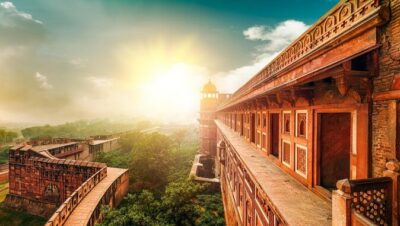
3-Days Private Golden Triangle Tour: Delhi, Agra & Jaipur by Car
Read our review →3-Days Private Golden Triangle Tour: Delhi, Agra & Jaipur by Car
Read our review →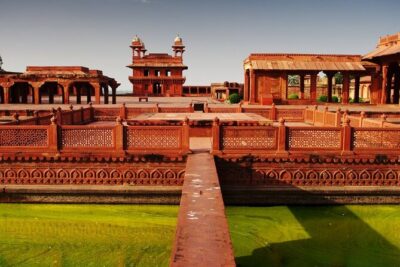
3-Day Delhi, Agra and Jaipur Private Tour – India Golden Triangle
Read our review →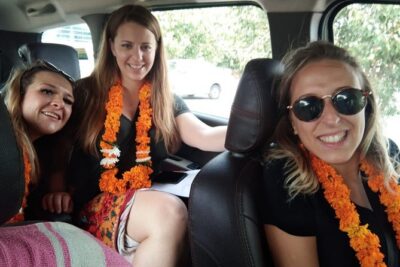
Four-Day Private Luxury Golden Triangle Tour to Agra and Jaipur From New Delhi
Read our review →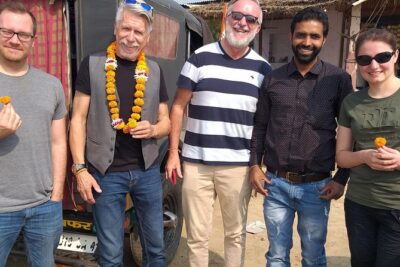
5 Nights 6 Days Private Golden Triangle Tour – Delhi Agra Jaipur
Read our review →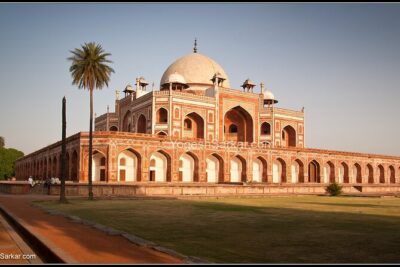
Private Car and Drive for Golden Triangle (4N/5D)
Read our review →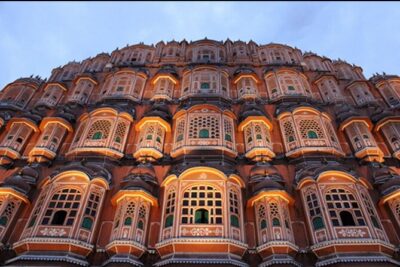
Private Golden Triangle Tour Delhi Agra Jaipur ( Top Rated )
Read our review →Browse the lists this tour appears in