

Reviewed · GOLDEN TRIANGLE TOURS
8-Day Private Luxury Golden Triangle With Spiritual Varanasi Tour
India rewards a well-planned route. This private eight-day journey links Delhi, Agra, Jaipur, and Varanasi, giving you Mughal monuments, Rajput palaces, sacred temples, and the nightly Ganga Aarti without the work of arranging each transfer yourself. I like the private car and the switch to local guides in each city, which keeps the trip personal and practical.
I also like the careful timing around the Taj Mahal, with both a sunset view and an early morning visit. The main catch is cost control: the advertised $372.86 per person does not include flights, monument entry fees, lunches, dinners, tips, or insurance, and the monument fees are listed at about $100 per person.
In This Review
- Key points at a glance
- Why this route works for a first visit to North India
- Delhi begins with Sikh calm and Mughal grandeur
- Agra brings two views of the Taj Mahal
- Jaipur packs palaces, science, and sandstone into one day
- Varanasi shifts the focus from monuments to ritual
- What the private service adds
- Is $372.86 a good value?
- Who should book this experience?
- FAQ
- How long is the tour?
- Which cities are included?
- Is the tour private?
- Is transportation included?
- Are hotels included?
- Is breakfast included?
- Are monument entrance fees included?
- What vehicle is used?
- Can I cancel for a full refund?
Key points at a glance
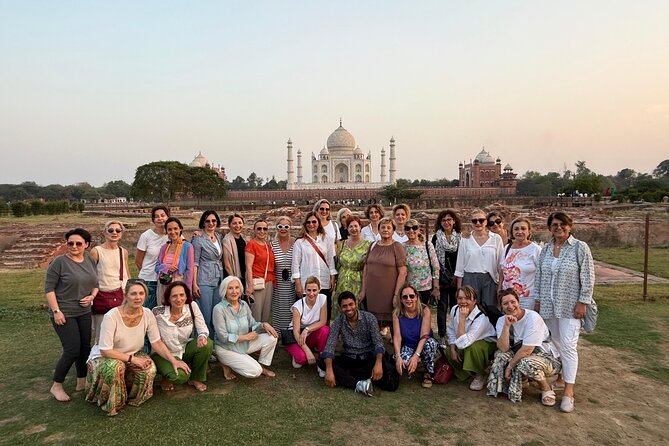
- Four major destinations in eight days: Delhi, Agra, Jaipur, and Varanasi create a strong first taste of North India.
- A private driver throughout the road route: Cars are assigned by party size, from a four-seat sedan for one or two people to a ten-seat minivan for larger groups.
- Two very different Taj Mahal moments: You see the monument near sunset from across the Yamuna and again at sunrise from the main site.
- Jaipur gets a full sightseeing day: Amber Fort, City Palace, Jantar Mantar, Hawa Mahal, Jal Mahal, and two stepwells are included.
- Varanasi adds religious and Buddhist history: Kashi Vishwanath Temple, the Ganges ghats, Ganga Aarti, and Sarnath round out the final section.
- The service receives strong praise: Drivers including Surendra and Vinod are repeatedly described as safe, helpful, and attentive.
Why this route works for a first visit to North India
The Golden Triangle is popular for a good reason. Delhi introduces you to India’s political center, Mughal past, Sikh traditions, markets, and modern city life. Agra supplies the Taj Mahal and several important Mughal buildings. Jaipur then shifts the mood to pink sandstone, royal courtyards, astronomical instruments, and Rajasthan’s hill forts.
Adding Varanasi changes the trip from a monument tour into something more personal and religious. Here, the Ganges is not simply a pretty river. It is part of daily worship, pilgrimage, ritual, and local life. The contrast with the palaces and forts of Rajasthan is the route’s greatest strength.
The private format matters because the schedule includes long road transfers and several early starts. You are not waiting for a large group at every hotel or attraction. A driver can also keep luggage in the vehicle while you visit a monument, then take you directly to the next stop.
Still, eight days is a tight frame for four destinations. You get a strong overview, not a slow, settled experience in each place. Delhi and Jaipur have full sightseeing schedules, while Varanasi receives one substantial touring day plus arrival and departure time.
More Golden Triangle Tours in New Delhi:
- 3-Days Private Golden Triangle Tour: Delhi, Agra & Jaipur by Car
★ 5.0 · 1,107 reviews - 3-Days Private Golden Triangle Tour: Delhi, Agra & Jaipur by Car
★ 5.0 · 1,098 reviews - 3-Day Delhi, Agra and Jaipur Private Tour – India Golden Triangle
★ 5.0 · 812 reviews
Delhi begins with Sikh calm and Mughal grandeur
Day one is intentionally light, with visits to Gurudwara Bangla Sahib and Agrasen Ki Baoli. Bangla Sahib is a Sikh house of worship connected with the eighth Sikh Guru, who is said to have helped people during smallpox and cholera outbreaks by distributing water from the sacred tank. You have about 30 minutes here, and there is no admission fee.
This is a useful first stop because it introduces a living religious tradition rather than only India’s royal past. Dress respectfully and follow the site’s instructions. The atmosphere at the water tank offers a quiet break from Delhi’s traffic.
Agrasen Ki Baoli is another short stop, also without an entry charge. This protected stepwell drops below street level and shows how architecture once answered practical needs such as water storage. Its geometric stairs make it a good photography stop, though 30 minutes is enough for a look rather than a detailed visit.
Day two is much fuller. Qutub Minar, a UNESCO World Heritage site, is a 73-meter, five-story tower associated with Qutub-ud-din Aibak and the Delhi Sultanate. Allow an hour, and budget for a separate entrance ticket.
The Lotus Temple brings a completely different style. Its white, flower-shaped design was completed in 1986, and the temple welcomes people of all religions. The visit lasts about 30 minutes and is free.
India Gate and Parliament House are brief sightseeing stops. India Gate honors soldiers of British India who died in war, while Parliament House represents India’s national government. These are mainly exterior views, so you should not expect a long guided visit inside either building.
Jama Masjid, built by Shah Jahan between 1650 and 1656, gives you another important Mughal landmark. The visit is listed at 30 minutes and free admission, though local site rules can affect what you may do and where you may go.
Humayun’s Tomb deserves the full hour allotted to it. Commissioned by Empress Bega Begum in 1558, it is an early Mughal garden tomb and a major architectural stop. Admission is extra, so keep small expenses separate from the tour price.
The day ends in Chandni Chowk, where you have an hour among spice stalls, dried fruit, silver jewelry, colorful saris, and narrow side streets. This is the most street-level part of Delhi’s schedule. Stay close to your guide and driver, and use the time to notice how commerce, food, religion, and traffic share the same tight space.
Agra brings two views of the Taj Mahal
The drive from Delhi to Agra covers about 222 kilometers and takes roughly four hours. That transfer is a serious part of the day, but the private car gives you a direct route and a place to rest between sightseeing stops.
After checking into the Agra hotel, you visit Agra Fort. This UNESCO-listed complex is tied to Akbar, Shah Jahan, and other Mughal rulers. Its courtyards, walls, and royal rooms help explain the empire behind the Taj Mahal. Entry is not included, and one hour gives you a focused visit rather than time to see every corner.
Itmad-ud-Daulah is often called the Baby Taj or jewel box. The smaller mausoleum is known for its fine Mughal decoration and makes a good companion to Agra Fort. You have an hour here, with admission extra.
The schedule then gives you a sunset view of the Taj Mahal from across the river, followed by Mehtab Bagh. This is a smart choice. You see the monument away from the main entrance crowds, and the changing light gives the white marble a different character. The viewpoint and garden are both ticketed stops, so add their costs to your planning.
Day four begins before breakfast with the Taj Mahal at sunrise. The mausoleum was commissioned by Shah Jahan in 1632 as a tomb for his wife, Mumtaz Mahal. Two hours is a sensible amount of time for the main visit, photographs, and a slow walk through the grounds.
The sunrise visit is one of the tour’s strongest features, but it also creates the earliest morning of the trip. You should be comfortable with an early start and changing temperatures. Entry is not included, so confirm current fees and any identification requirements before departure.
From Agra, the route continues to Fatehpur Sikri. Built by Emperor Akbar in the late sixteenth century, it served as the Mughal capital for about a decade. The complex has palaces, courtyards, and religious buildings, and one hour gives you a useful introduction. Admission is listed as free, though local conditions and optional services can vary.
Chand Baori, in Abhaneri, is one of India’s largest and deepest stepwells, extending about 30 meters below ground. Its repeating stair pattern is striking, and the hour allocated here makes the stop more worthwhile than a quick roadside photograph.
You then continue to Jaipur for hotel check-in. This is a full movement day, so it is wise to keep the evening simple.
Jaipur packs palaces, science, and sandstone into one day
Jaipur’s touring day begins at Panna Meena ka Kund, a stepwell near the fort area. The listed visit lasts only 15 minutes, so think of it as a quick architectural stop.
The main event is Amber Fort, described in the schedule as Jaipur’s famous former capital before 1728. Two hours allows your guide to lead you through its palaces, squares, and monuments without turning the visit into a rushed photo stop.
Jal Mahal follows as a 15-minute exterior view. The palace appears to float in Man Sagar Lake, making it one of Jaipur’s easiest photo opportunities. You should not expect a long interior visit here.
The City Palace receives an hour. It was constructed in 1721 as the administrative and ceremonial seat of Jaipur’s Maharaja, and it helps explain how royal authority worked in Rajasthan. Admission is extra.
Jantar Mantar is especially worthwhile if you enjoy unusual sights. Built in 1734, this UNESCO World Heritage site contains 19 large astronomical instruments commissioned by Sawai Jai Singh II. A guide can make the instruments easier to understand, since their purpose is not always obvious at first glance.
Hawa Mahal, or the Palace of Winds, finishes the main sequence. Its five-story pink and red sandstone facade is famous for its small windows and honeycomb-like appearance. The half-hour stop is mainly for seeing the facade and taking photographs, with admission listed separately.
Day six adds Birla Mandir and Patrika Gate before your airport transfer. Birla Mandir is a white marble temple dedicated to Lord Vishnu, with detailed latticework. Patrika Gate is known for painted murals and decorative architecture celebrating Rajasthan.
The Jaipur to Varanasi flight is not included. That is one of the most important details to settle before booking. The tour team takes you to Jaipur International Airport, and a new driver meets you at Varanasi airport for the hotel transfer.
A few more options to weigh up in New Delhi
- Old & New Delhi City Tour – Half or Full Day Options Available
★ 5.0 · 4,811 reviews - Same Day Taj Mahal, Agra Fort & Baby Taj Tour from Delhi by Car
★ 5.0 · 4,304 reviews - Taj Mahal Day Tour from Delhi by Superfast Train – TOP RATED TOUR
★ 5.0 · 4,166 reviews - Full Day Taj Mahal, Agra Fort & Baby Taj Tour from Delhi by Car
★ 5.0 · 3,647 reviews
Varanasi shifts the focus from monuments to ritual
Varanasi is the emotional change of pace. The city is one of Hinduism’s major pilgrimage centers and is considered one of the oldest continuously inhabited cities in the world. You should come ready for a place where religious activity is not separated from ordinary daily life.
Kashi Vishwanath Temple is dedicated to Shiva and is known for its gold-plated spire and sacred well. The visit is scheduled for two hours and is free, but temple procedures can be specific. Follow your guide’s instructions closely, and allow extra patience for entry and security.
Around noon, the route continues to Sarnath, where Buddha first preached the Dharma after enlightenment. You spend about an hour among ancient monastic ruins and related remains. Sarnath is quieter in tone than Varanasi’s riverfront and gives the day a wider religious context.
A walk along the Ganges follows. The hour lets you see the ghats and observe the city’s spiritual life at close range. The river walk is listed as a ticketed activity, so ask exactly what is covered by the local arrangement.
The day ends with Ganga Aarti. The ceremony uses lamps, music, movement, and prayer beside the sacred river. This tour includes a reserved seat for a good view, which is a practical advantage in a crowded riverside setting. The ceremony itself is free, but the seating arrangement should be confirmed with the tour operator.
Day eight is simple: breakfast, hotel checkout, and drop-off at your desired location in Varanasi. That flexibility helps if you are continuing your trip, heading to the airport, or moving to another hotel.
What the private service adds
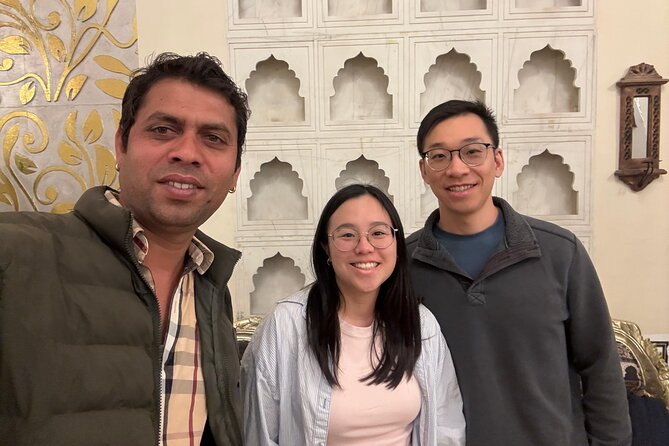
The strongest part of the arrangement is the human support. Drivers such as Surendra and Vinod are praised for clean vehicles, safe driving, helpful suggestions, and staying available throughout the route. Those qualities matter on long Indian road journeys, where comfort and reliable timing can shape your whole day.
You receive a different local guide in each city. That arrangement can work well because each guide focuses on familiar monuments and local customs. It also means the experience may vary from city to city, so tell each guide whether you prefer architecture, religion, photography, or historical detail.
Vehicle size depends on your party:
- One or two people use a four-seat sedan.
- Three or four people use a six-seat wagon.
- Five to ten people use a ten-seat minivan.
The tour is private, so only your group participates. Rooms are normally twin-share. A group of three receives triple-sharing by default, while two rooms require an extra charge.
The package includes seven nights of accommodation when you choose the hotel option, daily breakfast, bottled mineral water during journeys, private air-conditioned transport, airport and hotel transfers, and local guides. Lunch and dinner are yours to arrange, giving you freedom but also adding planning work.
Is $372.86 a good value?
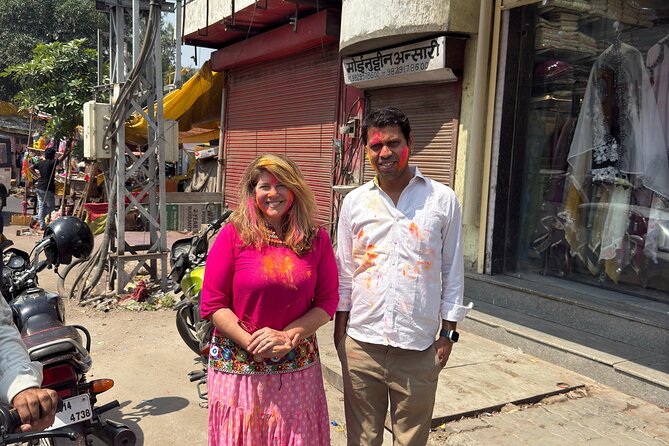
At $372.86 per person, the base price can be attractive for a private eight-day route with a driver, hotels if selected, breakfasts, transfers, and guides. The value is strongest for first-time visitors who want one company coordinating the road route instead of arranging Delhi to Agra, Agra to Jaipur, and airport transfers separately.
The headline price is not the final budget. Add about $100 per person for monument entrance fees, then account for the Jaipur to Varanasi flight, tips, meals other than breakfast, insurance, laundry, and personal spending. The wording also makes the hotel inclusion conditional, so confirm that your chosen booking option includes seven nights.
The free cancellation rule is useful: you receive a full refund if you cancel at least 24 hours before the start time. Cancellations or changes inside that window are not refunded or accepted.
Who should book this experience?
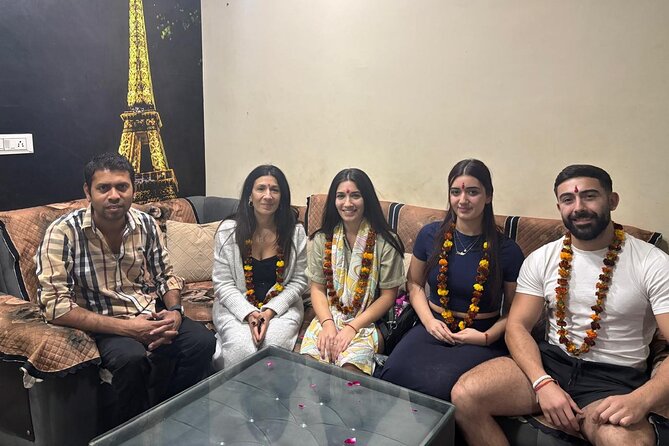
I would choose this tour if you want a private, well-supported introduction to North India and prefer seeing the major landmarks in one organized route. It suits couples, families, and small groups who value a dedicated car and do not want to manage local transfers themselves.
It is less suitable if you want long, unplanned afternoons, deep time in one city, or a low total budget after extras. Varanasi receives only one main sightseeing day, and the road transfers between Delhi, Agra, and Jaipur can feel demanding.
Book it if the Taj Mahal at both sunset and sunrise, Jaipur’s major sights, and Varanasi’s Ganga Aarti all belong on your first India itinerary. Before paying, confirm the hotel category, monument fee total, flight arrangements, room setup, and airport pickup details. That short check will prevent most surprises.
FAQ
How long is the tour?
The experience lasts approximately eight days and includes a seven-night stay when you select the option with hotels.
Which cities are included?
The route covers New Delhi, Agra, Jaipur, and Varanasi.
Is the tour private?
Yes. Only your group participates in the activity.
Is transportation included?
Private, air-conditioned road transportation with a driver is included, along with hotel and airport pickup and drop-off. The Jaipur to Varanasi flight is not included.
Are hotels included?
Seven nights of accommodation are included only when you book the option that includes hotels.
Is breakfast included?
Yes. Daily hotel breakfast is included with the hotel option, listed as seven breakfasts.
Are monument entrance fees included?
No. Monument entry fees are separate, and the listed estimate is $100 per person.
What vehicle is used?
One or two people use a four-seat sedan, three or four people use a six-seat wagon, and groups of five to ten use a ten-seat minivan.
Can I cancel for a full refund?
You can cancel at least 24 hours before the experience start time for a full refund. Cancellations or changes made less than 24 hours before the start time are not accepted or refunded.
Just added in New Delhi
- Old Town Delhi Walking Tour (2 Hours Guided Tour with Local)★ 4.5 · 22 reviews
- Yoga class in Delhi★ 5.0 · 29 reviews
- Unveil Old Delhi’s Food, Spice Market & Heritage Walk★ 5.0 · 26 reviews
- Vegetarian : Private Cooking Class in Delhi home ( Learn 7 meal)★ 5.0 · 58 reviews
- Private Taj Mahal & Agra Fort Tour, Dine with a View★ 5.0 · 27 reviews
- Tour to Akshardham temple with Guide and Delhi Transfer★ 5.0 · 26 reviews
- Private Tour of Taj mahal from Delhi by Train in 90 Min★ 5.0 · 46 reviews
- Private 2-Day Agra & Delhi Tour by Car–Includes Taj Mahal Sunrise★ 5.0 · 11 reviews
Golden Triangle Tours, compared.
3-Days Private Golden Triangle Tour: Delhi, Agra & Jaipur by Car
Read our review →3-Days Private Golden Triangle Tour: Delhi, Agra & Jaipur by Car
Read our review →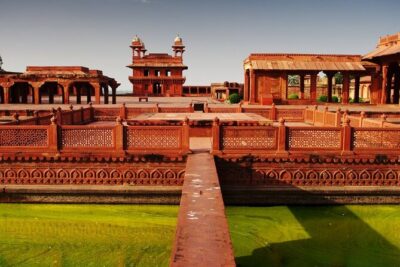
3-Day Delhi, Agra and Jaipur Private Tour – India Golden Triangle
Read our review →
Four-Day Private Luxury Golden Triangle Tour to Agra and Jaipur From New Delhi
Read our review →
5 Nights 6 Days Private Golden Triangle Tour – Delhi Agra Jaipur
Read our review →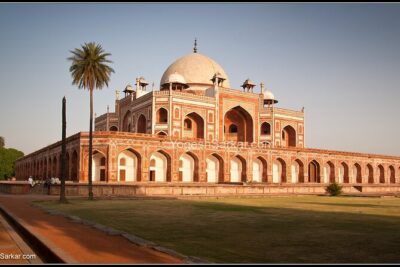
Private Car and Drive for Golden Triangle (4N/5D)
Read our review →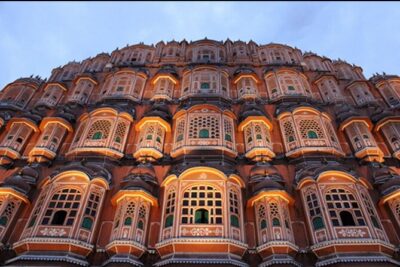
Private Golden Triangle Tour Delhi Agra Jaipur ( Top Rated )
Read our review →Browse the lists this tour appears in