

Reviewed · GOLDEN TRIANGLE TOURS
7-Days Private Golden Triangle with Pushkar Yoga Spiritual Tour
India’s grandest sights fit into one thoughtful week. This private journey links Delhi, Agra, Jaipur, and Pushkar with one driver, local guides in each city, hotel stays, and airport transfers. I like the mix of famous monuments and quieter cultural stops, especially Pushkar’s Brahma Temple, sacred lake, and included yoga class. I also like the freedom of a private vehicle, which makes a busy route easier to manage.
The main tradeoff is the pace. You cover long road distances, including roughly four hours from Delhi to Agra, three hours from Jaipur to Pushkar, and five hours back to Delhi. Monument tickets are extra, and the yoga element is limited to a class in Pushkar rather than a full wellness retreat.
In This Review
- Key points to know before booking
- Why this seven-day route works
- Day 1: A gentle start at Gurudwara Bangla Sahib
- Day 2: Delhi’s monuments, markets, and Mughal story
- Qutub Minar
- Lotus Temple
- India Gate and Parliament House
- Jama Masjid
- Agrasen Ki Baoli
- Humayun’s Tomb
- Chandni Chowk
- Day 3: Arriving in Agra and seeing the Taj at sunset
- Day 3 in Agra: Agra Fort and the Baby Taj
- Day 4: Taj Mahal sunrise, Fatehpur Sikri, and Chand Baori
- Fatehpur Sikri
- Chand Baori
- Day 5: Jaipur’s stepwell, palace, observatory, and pink facade
- City Palace
- Jantar Mantar
- Hawa Mahal
- Day 6: Pushkar’s sacred lake and Brahma Temple
- Day 7: Yoga, then the long return to Delhi
- What the $324 price really offers
- The driver and guide setup
- Who should book this tour?
- Should you book the Golden Triangle and Pushkar tour?
- FAQ
- Is this a private tour?
- Where does the tour start?
- Is airport pickup included?
- Are hotel stays included?
- Are monument entrance tickets included?
- What type of vehicle is used?
- Is the Taj Mahal battery bus included?
- How many yoga classes are included?
Key points to know before booking

- One private car and driver for seven days: You avoid changing vehicles between cities and have direct help with the road schedule.
- Two Taj Mahal visits: You see the monument at sunset from across the Yamuna and again at sunrise from the main complex.
- A full day of Delhi sightseeing: Qutub Minar, Humayun’s Tomb, Jama Masjid, Chandni Chowk, and several major landmarks are included.
- Pushkar adds a spiritual pause: The Brahma Temple, Pushkar Lake, Brahma Ghat, and yoga create a different mood from the Mughal and Rajput cities.
- Hotels and breakfast depend on the selected option: Six nights with daily breakfast are included when you choose the hotel package.
- Entrance fees are separate: Budget for Qutub Minar, Humayun’s Tomb, the Taj Mahal, Agra Fort, Itmad-ud-Daula, City Palace, Jantar Mantar, Hawa Mahal, and other paid sites.
Why this seven-day route works
The classic Golden Triangle connects Delhi, Agra, and Jaipur. Adding Pushkar gives the route a more personal finish. Instead of ending with one more palace or fort, you spend time beside a sacred lake and attend a yoga class before returning to Delhi.
I like this arrangement for a first visit because the major sights are not reduced to rushed photo stops. You have a full day in Delhi, a complete day around Agra, a substantial Jaipur sightseeing day, and time in Pushkar. Still, this is not a slow trip. The private car makes the schedule more comfortable, but the distances remain real.
The tour begins at Indira Gandhi International Airport in New Delhi. Airport pickup and drop-off are included, so you do not need to arrange a separate transfer at the start or finish. The tour is private, meaning only your own group takes part. That matters in India, where the ability to pause, adjust a departure time, or ask your driver for help can make road travel feel far less tiring.
More Golden Triangle Tours in New Delhi:
- 3-Days Private Golden Triangle Tour: Delhi, Agra & Jaipur by Car
★ 5.0 · 1,107 reviews - 3-Days Private Golden Triangle Tour: Delhi, Agra & Jaipur by Car
★ 5.0 · 1,098 reviews - 3-Day Delhi, Agra and Jaipur Private Tour – India Golden Triangle
★ 5.0 · 812 reviews
Day 1: A gentle start at Gurudwara Bangla Sahib
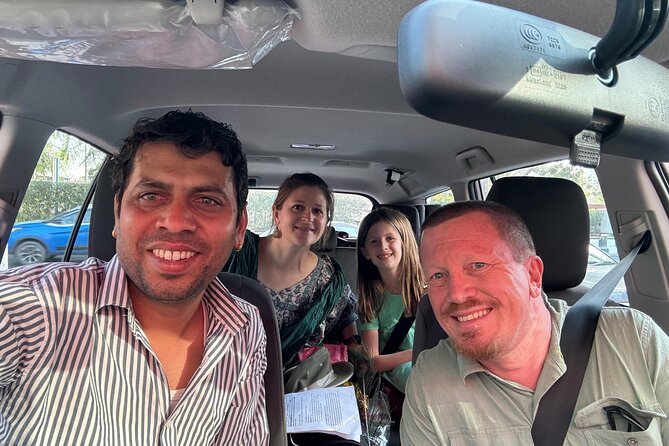
The opening stop is Gurudwara Bangla Sahib, one of Delhi’s best places to begin learning about Sikh faith and service. The site is linked with the eighth Sikh Guru, who is said to have helped people during smallpox and cholera outbreaks by distributing water from the temple tank.
You spend about 30 minutes here, with no admission fee. That is enough time for an introduction, though you should not expect a long guided visit. The stop works well after an international arrival because it is meaningful without demanding several hours of walking.
Your first night’s accommodation depends on the option selected. Confirm the hotel category, room arrangement, and exact first-day schedule when booking.
Day 2: Delhi’s monuments, markets, and Mughal story
Day 2 carries most of the Delhi sightseeing. It is a full program, so comfortable shoes and an early start will help.
Qutub Minar
Qutub Minar is a UNESCO World Heritage site and one of Delhi’s most striking landmarks. The 73-meter tower rises in five levels and dates to the beginning of the Delhi Sultanate, with construction begun by Qutub-ud-din Aibak in 1193.
Allow about an hour. Admission is not included, so keep cash or another accepted payment method ready. The complex gives you more than a tower. Look at the surrounding ruins and carved stonework, which help explain how Delhi changed hands and architectural styles over time.
More Yoga and Wellness in New Delhi:
- Half Day Yoga Meditation Workshop (6 Hrs) in New Delhi
★ 5.0 · 36 reviews - Yoga class in Delhi
★ 5.0 · 29 reviews - INDIVIDUAL YOGA CLASS – BEGINNER / ADVANCED Sunrise Yoga with Ayush in Varanasi
★ 5.0 · 147 reviews - Yoga In Jaipur
★ 5.0 · 81 reviews
Lotus Temple
The Lotus Temple offers a sharp contrast to Qutub Minar. Its white, flower-shaped design was completed in 1986, and the building welcomes people of every religion.
The visit lasts about 30 minutes and admission is free. This is mainly an architectural and quiet reflection stop. It is not a conventional temple visit with a collection of historic images or shrines, so your guide can help explain the building’s purpose and design.
India Gate and Parliament House
India Gate is a war memorial dedicated to soldiers of British India who died in wartime. You have about 30 minutes for photographs and a short look around.
The route also includes a view of Parliament House, known as Sansad Bhavan. It contains the Lok Sabha and Rajya Sabha and has a circular design associated with the Ashoka Chakra. The schedule lists this as a sightseeing stop rather than a building tour, so expect to see it from outside.
Jama Masjid
Jama Masjid was built by Mughal emperor Shah Jahan between 1650 and 1656. It is one of the largest mosques in India and a major Old Delhi landmark.
The planned visit is about 30 minutes. Dress modestly and follow any instructions at the entrance. Admission is listed as free, though personal charges or photography rules can change, so listen to your guide.
Agrasen Ki Baoli
Agrasen Ki Baoli is a protected stepwell under the Archaeological Survey of India. Its long, narrow stairway descends into the ground, creating one of Delhi’s more unusual historic spaces.
Only 15 minutes are planned here. That is brief, but the stop is easy to appreciate quickly. If you enjoy old engineering, photography, or places that feel different from standard palace and temple visits, this small detour adds variety.
Humayun’s Tomb
Humayun’s Tomb was commissioned in 1558 by Empress Bega Begum for the Mughal emperor Humayun. The formal garden tomb is an important step in the development of Mughal architecture and helps prepare you for the Taj Mahal.
You have about an hour. Admission is extra. I consider this one of the day’s essential stops because it gives you architectural context before Agra, rather than presenting the Taj Mahal as an isolated wonder.
Chandni Chowk
The day ends in Chandni Chowk, the old market district at the heart of Delhi. The area is known for spices, dried fruit, silver jewelry, colorful saris, oils, and narrow lanes filled with small shops.
An hour here lets you see the commercial side of the city. It will feel crowded and intense, but that is part of the point. Stay close to your guide, watch your belongings, and be ready for a sensory experience rather than a quiet stroll.
Day 3: Arriving in Agra and seeing the Taj at sunset
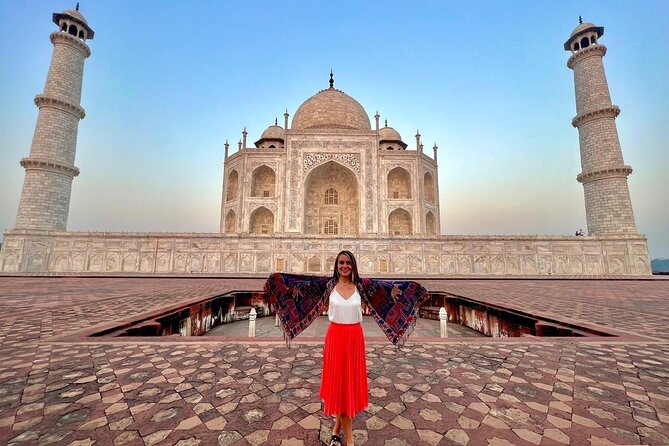
The drive from Delhi to Agra covers about 222 kilometers and takes roughly four hours. Your private, air-conditioned vehicle makes this transfer easier than arranging separate trains or taxis, but you should still expect a substantial part of the day on the road.
After hotel check-in and some time to settle, the route visits a Taj Mahal sunset viewpoint across the Yamuna. This is not the main entrance. It gives you a quieter angle across the river and a chance to see the monument as the light changes.
The viewpoint visit is scheduled for about an hour. Admission to the Taj Mahal itself is not included, and the sunset viewpoint may have its own entry arrangements. Clarify the exact access point with the operator before setting out.
Day 3 in Agra: Agra Fort and the Baby Taj
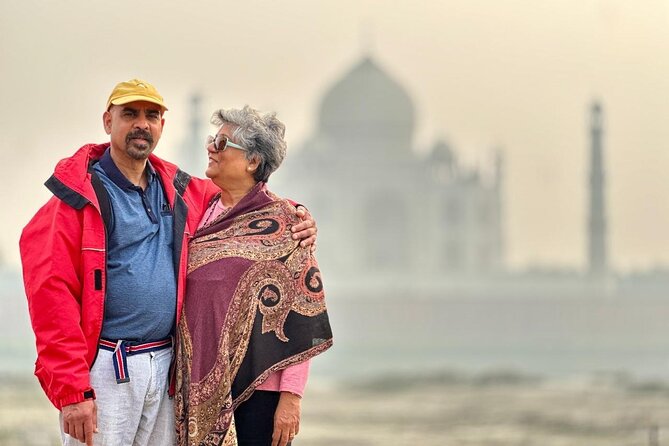
Agra Fort is a UNESCO World Heritage site with strong connections to Mughal rulers including Akbar, Shah Jahan, and Aurangzeb. Its red sandstone walls, courtyards, halls, and views toward the Taj Mahal make it more than a secondary attraction.
Plan on an hour here, with the entry fee extra. Your local guide is especially useful because the fort can otherwise feel like a series of grand rooms without a clear story.
Itmad-ud-Daula, often called the Baby Taj, is a smaller Mughal mausoleum with delicate decorative work. The nickname can make it sound like a miniature version of the Taj Mahal, but it deserves attention in its own right.
The visit lasts about an hour, and admission is extra. I like this stop because it slows the day after the larger monuments. You can focus on details instead of scale.
Day 4: Taj Mahal sunrise, Fatehpur Sikri, and Chand Baori
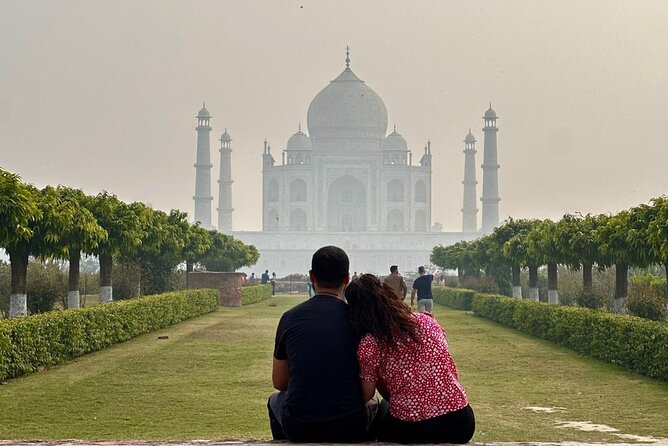
The sunrise Taj Mahal visit is the emotional center of the tour. The white marble monument sits on the Yamuna’s south bank, and the early light gives you a different experience from the previous evening’s river view.
Two hours are planned at the Taj Mahal. Admission is not included, and the battery bus ride from the parking area to the monument is included. That short electric ride is practical because vehicles cannot drive directly to the main monument area.
The early start means you should protect your sleep where possible. The reward is more than a photograph. Returning to the Taj at a different hour lets you see how the building, crowds, and atmosphere change.
Fatehpur Sikri
After Agra, the route continues to Fatehpur Sikri, the City of Victory. Emperor Akbar built the complex in the late 16th century, and it served as the Mughal capital for about a decade.
You have about an hour here. The listed admission is free, but local rules and optional services can vary. This is a good place to use your guide, since the palaces, courtyards, religious buildings, and ceremonial spaces make more sense when connected to Akbar’s rule.
Chand Baori
Chand Baori at Abhaneri is a dramatic stepwell that descends about 30 meters and is among India’s largest and deepest. Its repeated steps create a strong geometric pattern, quite different from the rounded domes and red sandstone forts earlier in the trip.
The visit lasts about 30 minutes, with admission extra. It is a short stop, but it breaks up the drive and gives you a look at practical water architecture in Rajasthan.
You then continue to Jaipur for hotel check-in. The schedule allows about five hours for the transfer and arrival period, so this is another day when the private vehicle earns its keep.
Day 5: Jaipur’s stepwell, palace, observatory, and pink facade

Jaipur’s sightseeing begins at Panna Meena ka Kund, a stepwell near Amber Palace. The planned stop is only 15 minutes, so treat it as a quick architectural visit rather than a long exploration.
Jal Mahal follows, with about 15 minutes for photographs. The palace appears to float in Man Sagar Lake, though the program describes this as an outside photo opportunity. Do not expect an interior visit.
City Palace
The City Palace was built in 1721 as the administrative and ceremonial seat of Jaipur’s Maharaja. You have about an hour to explore, and admission is extra.
This is one of Jaipur’s central visits. The palace complex helps connect the city’s planned design with its royal past, while the courtyards and decorative details reward a slower pace. Ask your guide which sections are open during your visit.
Jantar Mantar
Jantar Mantar is a UNESCO World Heritage site built in 1734. It contains 19 large astronomical instruments commissioned by Sawai Jai Singh II, the Rajput ruler who founded Jaipur.
Allow an hour, with admission extra. The instruments are much easier to understand with a guide. Without an explanation, the structures can look like oversized sculpture. With context, they show how astronomical measurement worked before modern electronic equipment.
Hawa Mahal
The day finishes at Hawa Mahal, or the Palace of Breeze. Its pink and red sandstone facade rises in a five-story pyramidal form, with many small windows creating the famous honeycomb appearance.
An hour is scheduled here, and admission is extra. The best-known view is from outside, but the listed program includes entry. Confirm how much interior time your guide plans to provide, since the facade and interior offer different experiences.
Day 6: Pushkar’s sacred lake and Brahma Temple
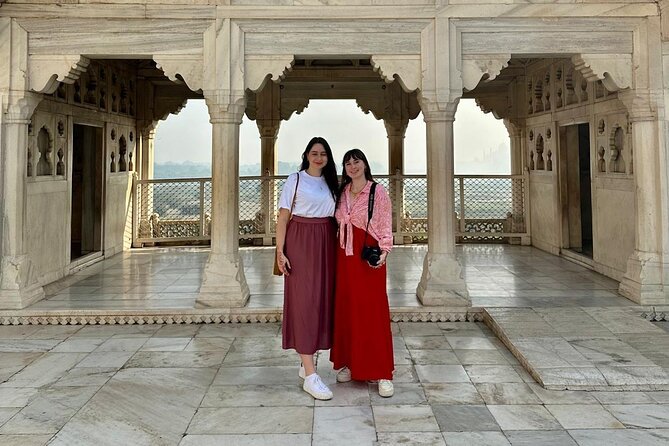
The drive from Jaipur to Pushkar is about 142 kilometers and takes roughly three hours. Pushkar changes the tone of the tour. The large imperial monuments give way to a pilgrimage town centered on faith, ritual, and the lake.
The program allows about four hours in Pushkar, including hotel arrival and sightseeing. The Brahma Temple is the key religious stop. It is known for its connection to the Hindu god Brahma, and the guide explains why a temple dedicated to Brahma is unusual.
The visit lasts about 30 minutes and is listed as free. Religious sites can have their own customs, so follow instructions about footwear, clothing, photography, and where to walk.
Pushkar Lake and Brahma Ghat provide the most reflective part of the route. Families come to pray, seek blessings, and honor deceased relatives. You have about 30 minutes here. This is not simply a scenic lake stop, so approach it with respect and avoid treating ceremonies as staged entertainment.
Day 7: Yoga, then the long return to Delhi
After breakfast in Pushkar, you attend the included yoga class before driving back to Delhi. This is the only yoga session specified, so I would not book the tour expecting a multi-day yoga program.
The return journey takes approximately five hours. The class creates a calm final morning, but the day is still dominated by the road transfer. Airport drop-off is included, which is useful if your departure plans match the tour’s timing. Confirm the schedule carefully if you have a fixed flight.
What the $324 price really offers
At $324 per person, this can be strong value if your chosen package includes the six hotel nights and daily breakfasts. The price also covers a private air-conditioned vehicle, driver, airport transfers, local guides in each city, mineral water during journeys, the Taj Mahal battery bus, and a Pushkar yoga class.
The important catch is that monument entrance tickets are not included. Paid admissions appear throughout Delhi, Agra, and Jaipur, so add those costs before comparing this tour with a package that charges more upfront.
The private format is especially useful for two people or a small family. A four-seater sedan is used for one or two people, a six-seater wagon for three or four, and a 10-seater minivan for five to 10. Rooms are generally twin-sharing. A group of three receives a triple room by default, while two rooms require an additional charge.
The driver and guide setup
You keep the same driver for the whole route but meet different local guides in each city. That is a sensible arrangement. Your driver focuses on the roads, vehicle, luggage, and transfers, while each guide can explain the monuments in Delhi, Agra, Jaipur, and Pushkar.
Specific drivers praised in the supplied feedback include Surendra, Man Singh, and Chatan. Gopal is identified as the quick-responding tour contact. These names are useful when you communicate before arrival, although you should confirm who is assigned to your booking.
The strongest praise centers on punctual pickups, clean cars, safe driving, comfortable air conditioning, and clear communication through WhatsApp. Those details matter more than fancy wording on a tour page. Long Indian road days are much easier when the car is clean, the driver is dependable, and questions receive quick answers.
Who should book this tour?
I would choose this tour if you are visiting North India for the first time, want the major sights handled for you, and prefer a private experience over a large coach. Couples, families, and small groups will benefit most from the flexible vehicle and the city-by-city guides.
It also suits you if Pushkar appeals as a cultural and spiritual stop, but you still want the classic Taj Mahal, Jaipur palaces, and Delhi landmarks. The yoga session is a pleasant addition for a morning reset.
I would hesitate if you want long stays in each city, extensive free time, or a serious yoga retreat. The schedule is full, the drives are long, and several monument fees remain outside the advertised price.
Should you book the Golden Triangle and Pushkar tour?
Book it if you value convenience, private transport, local explanations, and a well-rounded first look at North India. The two Taj Mahal visits, full Delhi day, Jaipur monuments, and Pushkar finish give you a lot for one week.
Before paying, confirm three things: the hotel-included price, the total monument fees, and the final Day 7 timing against your flight. If those details suit your budget and schedule, the tour offers a practical way to see the Golden Triangle without managing every transfer yourself.
FAQ
Is this a private tour?
Yes. Only your own group participates, and the tour uses a private vehicle with a driver.
Where does the tour start?
The tour starts at Indira Gandhi International Airport in New Delhi.
Is airport pickup included?
Yes. Airport pickup and drop-off are included.
Are hotel stays included?
Six nights of accommodation with daily breakfast are included when you select the option that includes hotels.
Are monument entrance tickets included?
No. Monument entrance tickets are not included in the tour price.
What type of vehicle is used?
One or two people travel in a four-seater sedan, three or four people use a six-seater wagon, and groups of five to 10 use a 10-seater minivan.
Is the Taj Mahal battery bus included?
Yes. The battery bus ride from the Taj Mahal parking area to the monument and back is included.
How many yoga classes are included?
The tour includes yoga classes in Pushkar. The schedule specifies a yoga class on Day 7 after breakfast, before the return drive to Delhi.
Just added in New Delhi
- Old Town Delhi Walking Tour (2 Hours Guided Tour with Local)★ 4.5 · 22 reviews
- Yoga class in Delhi★ 5.0 · 29 reviews
- Private Taj Mahal & Agra Fort Tour, Dine with a View★ 5.0 · 27 reviews
- Unveil Old Delhi’s Food, Spice Market & Heritage Walk★ 5.0 · 26 reviews
- Vegetarian : Private Cooking Class in Delhi home ( Learn 7 meal)★ 5.0 · 58 reviews
- Tour to Akshardham temple with Guide and Delhi Transfer★ 5.0 · 26 reviews
- Private Tour of Taj mahal from Delhi by Train in 90 Min★ 5.0 · 46 reviews
- Private 2-Day Agra & Delhi Tour by Car–Includes Taj Mahal Sunrise★ 5.0 · 11 reviews
Golden Triangle Tours, compared.
3-Days Private Golden Triangle Tour: Delhi, Agra & Jaipur by Car
Read our review →3-Days Private Golden Triangle Tour: Delhi, Agra & Jaipur by Car
Read our review →
3-Day Delhi, Agra and Jaipur Private Tour – India Golden Triangle
Read our review →
Four-Day Private Luxury Golden Triangle Tour to Agra and Jaipur From New Delhi
Read our review →
5 Nights 6 Days Private Golden Triangle Tour – Delhi Agra Jaipur
Read our review →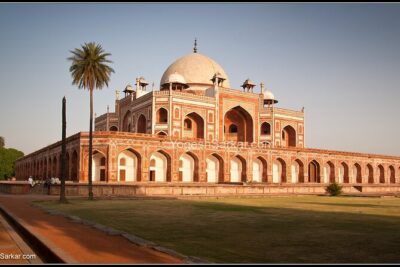

Private Car and Drive for Golden Triangle (4N/5D)
Read our review →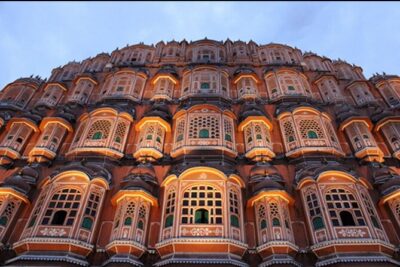
Private Golden Triangle Tour Delhi Agra Jaipur ( Top Rated )
Read our review →Browse the lists this tour appears in