
Reviewed · GOLDEN TRIANGLE TOURS
7 Day Golden Triangle Tour With Holi Colour Festival 4 March 2026
Holi gives this classic route extra colour. This seven-day private journey links Delhi, Agra, and Jaipur with major monuments, private transport, local guides, and a full day for Holi in Jaipur on 4 March 2026. I like the carefully timed Taj Mahal visits, especially the sunset viewpoint and early morning return, and I like that the tour includes both famous sights and places such as Chand Baori, Agrasen Ki Baoli, and Galtaji Temple.
The strongest feature is the chance to celebrate Holi with local people, including a planned visit connected with Govind Dev Ji Temple. I also like the practical door-to-door service, with airport or hotel pickup, breakfast, water during drives, and a private vehicle. The main consideration is pace: Delhi sightseeing is packed, several drives are long, and monument entrance fees, meals, and some hotel arrangements may cost extra.
In This Review
- Key points to know before booking
- Why this seven-day route works
- Delhi begins with faith and quiet corners
- Day 2 covers Delhi’s greatest sights
- Agra brings the Mughal story into focus
- Sunrise at the Taj Mahal, then the road to Jaipur
- Holi in Jaipur is the emotional center
- Jaipur’s forts and palaces fill Day 6
- The last morning leads back to Delhi
- Hotels, guides, and what is included
- Who should book this Holi tour?
- Should you book it?
- FAQ
- What cities does the tour visit?
- How long does the tour last?
- Is the tour private?
- Is airport pickup available?
- What kind of vehicle is used?
- Is accommodation included?
- Are meals included?
- Are monument entrance fees included?
- Can I cancel for a full refund?
Key points to know before booking

- Holi in Jaipur on Day 5: You spend about six hours celebrating with local people in the Pink City after Holika Dahan the previous evening.
- Two Taj Mahal viewing periods: The plan includes an evening view across the Yamuna and a separate sunrise visit the next morning.
- Private transport throughout: A sedan serves one or two people, a six-seat wagon serves three or four, and a minivan serves five to ten.
- Six nights of accommodation may be included: This depends on the booking option you select, with breakfast provided when hotels are included.
- A broad Delhi schedule: Qutub Minar, Humayun’s Tomb, Jama Masjid, Chandni Chowk, India Gate, the Lotus Temple, and more fill the first two days.
- Strong past praise for the team: Names connected with previous arrangements include Gopal, driver Surendra, and driver Vinod, with repeated praise for the organization of the Holi day.
Why this seven-day route works
The Golden Triangle is India’s classic first visit: Delhi for power, faith, and street life; Agra for Mughal monuments; and Jaipur for Rajput palaces and Holi. This version adds a festival day, so you are not simply moving from one monument to the next.
At $335.72 per person, the value depends on your chosen hotel option and group size. The price includes a private vehicle, driver, local guides, pickup and drop-off, water on journeys, and six breakfasts. If accommodation is part of your selected package, six hotel nights are also included. You still need to budget for lunch, dinner, personal purchases, insurance, transport to India, and entrance charges not covered by the package.
That is a low price for a private seven-day road tour if the hotel-inclusive option applies. Still, read the exact booking choice carefully. The information gives different admission details for different stops, while the general exclusions say monument fees are not included. I would ask the operator which tickets are covered before paying.
The private format is useful here. You do not have to wait for a large coach, and your schedule belongs to your own group. The vehicle size changes with party size, which keeps a couple from being placed in a large bus. A sedan is used for one or two people, a wagon for three or four, and a ten-seat minivan for five to ten.
More Golden Triangle Tours in New Delhi:
- 3-Days Private Golden Triangle Tour: Delhi, Agra & Jaipur by Car
★ 5.0 · 1,107 reviews - 3-Days Private Golden Triangle Tour: Delhi, Agra & Jaipur by Car
★ 5.0 · 1,098 reviews - 3-Day Delhi, Agra and Jaipur Private Tour – India Golden Triangle
★ 5.0 · 812 reviews
Delhi begins with faith and quiet corners

Day 1 is short but well chosen. At Gurudwara Bangla Sahib, you get an introduction to Sikh worship and the story of the eighth Sikh Guru, who is said to have helped people affected by smallpox and cholera by distributing water from the temple tank. The visit lasts about 30 minutes and has no admission charge.
Dress modestly and follow the site’s instructions for head covering and footwear. This is a religious place, not just another photo stop, so a respectful approach makes the visit more meaningful.
Agrasen Ki Baoli provides a sharp change of mood. This protected stepwell reaches about 60 metres in length and 15 metres in width, with stairs descending into the earth. You have around 30 minutes here, enough to see the structure and take photographs without turning the stop into a long detour.
These first stops are valuable because they show two sides of Delhi. One is living faith. The other is old engineering hidden among the modern city. The drawback is that Day 1 is light on major imperial monuments, so anyone hoping for a full Delhi introduction may find the opening day modest.
Day 2 covers Delhi’s greatest sights
Day 2 is the busiest Delhi day, with about six main stops plus an exterior view of Parliament House. Start at Qutub Minar, the 73-metre, five-storey tower begun by Qutub-ud-din Aibak in 1193. It is a UNESCO World Heritage site and deserves the full hour allowed.
You will see carved stone, layered construction, and the remains of the wider Qutub complex. The scale is easy to appreciate in person, but an hour can pass quickly if your guide gives a detailed explanation.
The Lotus Temple takes about 30 minutes. Its flower-shaped design makes it one of Delhi’s most recognizable modern buildings, and it welcomes people of all religions. This stop offers a quieter architectural break after Qutub Minar.
India Gate is a short 15-minute photo stop. The war memorial honors soldiers of British India who died in war, and the surrounding area is also popular with local families. Parliament House is viewed as part of the central Delhi drive, rather than as a long interior visit.
Jama Masjid brings you back to Mughal Delhi. Built by Shah Jahan between 1650 and 1656, it is one of India’s largest mosques. Allow time for the practical requirements of visiting a place of worship, including suitable clothing and following local rules.
Humayun’s Tomb is one of the day’s major rewards. Commissioned in 1558 by Empress Bega Begum for Emperor Humayun, the mausoleum is a major early example of Mughal garden-tomb design. The scheduled hour gives you time to examine the building and its formal setting.
Finish in Chandni Chowk, where you get the most direct sense of Old Delhi. The market area is known for spices, dried fruit, silver jewelry, saris, and narrow lanes filled with small shops. You have about an hour, which is enough for a first look but not enough to explore every side street.
This is a day for comfortable shoes, modest clothes, and patience. The plan covers a lot of ground, and the city’s traffic can affect timing. The benefit of a private vehicle is that you can move between districts without managing public transport, but the schedule still leaves little room for a long market stop.
Agra brings the Mughal story into focus
Day 3 begins with breakfast and a drive along the Yamuna Expressway. The journey from Delhi to Agra is listed as about 222 kilometres and roughly four hours. That is a serious road leg, so keep water close and expect much of the day to be spent in the car.
Agra Fort is the first major stop. This UNESCO site connects directly with Akbar, Shah Jahan, and other Mughal rulers. Its walls, courtyards, audience halls, and palace areas help explain the power behind the Taj Mahal. The planned visit lasts an hour and is included in the sightseeing schedule.
Itmad-ud-Daula, often called the Baby Taj, is smaller and more delicate. This Mughal mausoleum is sometimes described as a jewel box because of its fine decoration and compact form. The hour here gives you time to notice details that can be missed at the larger monuments.
The first Taj Mahal experience comes later, at sunset. The Taj Mahal Sunset View Point is across the river, away from the main crowd. It gives you a broad view of the marble mausoleum as the light changes, rather than the close-up approach you get the next morning.
Mehtab Bagh is also included for about 30 minutes. The garden sits across from the Taj Mahal and was created by Emperor Babur before later restoration. Together, the sunset viewpoint and Mehtab Bagh make this more than a single standard Taj visit.
One point needs clarification: the schedule lists both the sunset viewpoint and Mehtab Bagh, with separate admission information, while another entry says the Taj Mahal ticket is included. Ask your operator exactly which ticket applies to each location.
A few more options to weigh up in New Delhi
- Old & New Delhi City Tour – Half or Full Day Options Available
★ 5.0 · 4,811 reviews - Same Day Taj Mahal, Agra Fort & Baby Taj Tour from Delhi by Car
★ 5.0 · 4,304 reviews - Taj Mahal Day Tour from Delhi by Superfast Train – TOP RATED TOUR
★ 5.0 · 4,166 reviews - Full Day Taj Mahal, Agra Fort & Baby Taj Tour from Delhi by Car
★ 5.0 · 3,647 reviews
Sunrise at the Taj Mahal, then the road to Jaipur
Day 4 starts early with the Taj Mahal at sunrise. The monument was commissioned by Shah Jahan in 1632 as a mausoleum for his wife, Mumtaz Mahal. Two hours here gives you time to walk through the complex, see the marble close up, and experience the building before the day becomes hotter and busier.
The early start is the right choice. You will need to protect the rest of the day, since the route continues toward Jaipur. The sunrise visit is listed without an admission charge in the schedule, but the general conditions say monument fees are excluded, so confirm the current ticket arrangement.
Fatehpur Sikri follows. Akbar built the City of Victory in the late sixteenth century, and it served as the Mughal capital for about a decade. Its grand courtyards and red sandstone buildings make it a useful stop between Agra and Rajasthan. The visit is planned for an hour.
Chand Baori at Abhaneri is a striking stepwell that extends around 30 metres into the ground. Its repeated stair patterns create a powerful geometric view, and the 30-minute stop is enough to understand its scale.
After reaching Jaipur, you check into the hotel and attend Holika Dahan in the evening. This bonfire ceremony relates to the story of Holika’s burning and prepares the city for the main Holi celebration. It is an important cultural moment, but local event arrangements can change, so confirm the exact meeting time and location with your guide.
Holi in Jaipur is the emotional center
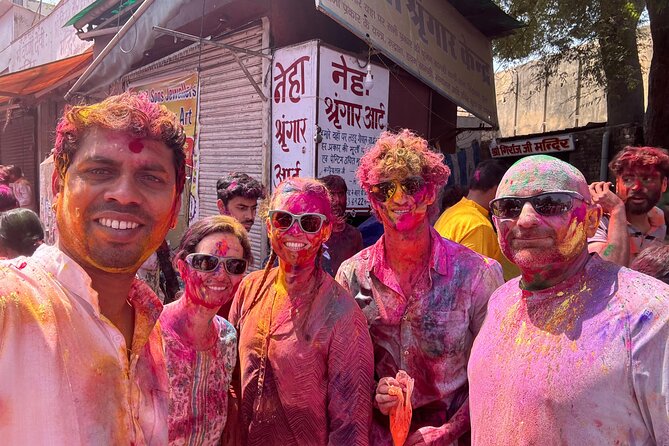
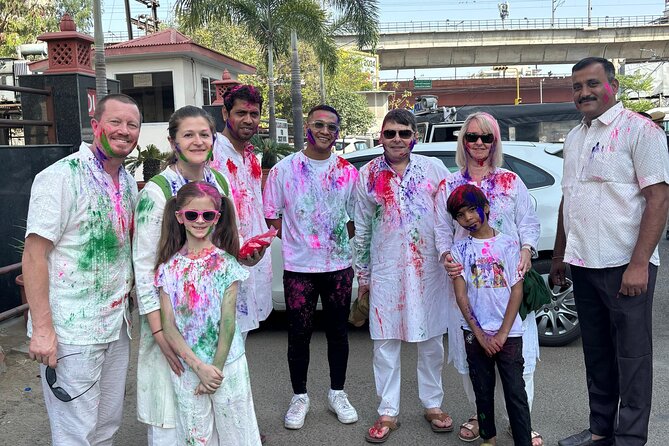
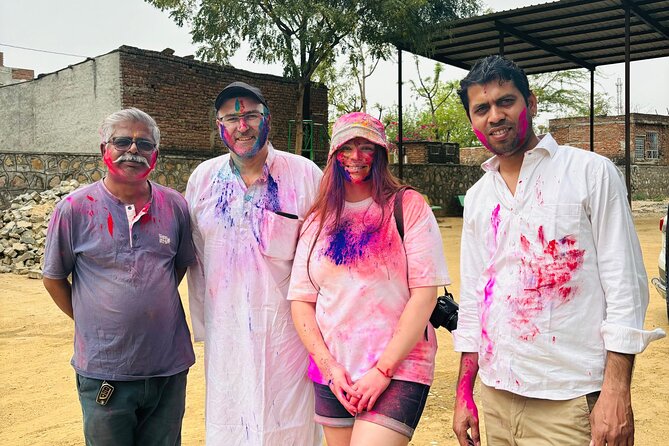
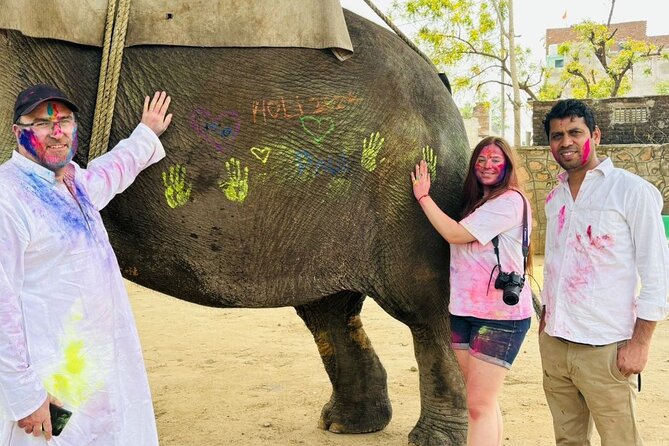
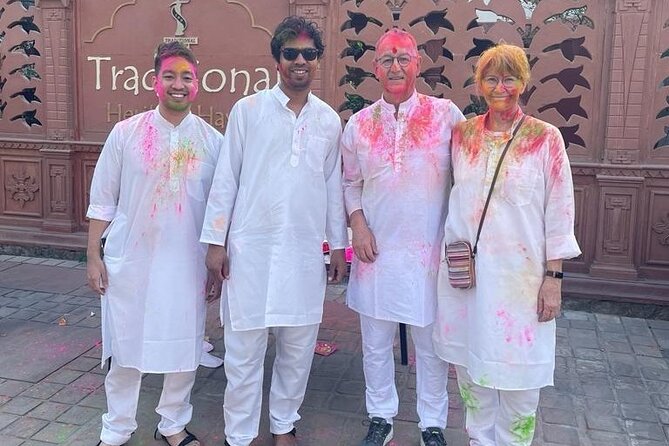
Day 5 is devoted to Holi in the Pink City. The scheduled celebration lasts about six hours and involves playing with colour alongside local people. Previous arrangements have included a Holi celebration connected with Govind Dev Ji Temple, where the setting adds a devotional side to the festival.
Holi is not simply a colour photo opportunity. It is a religious and social festival with music, bonfires, family gatherings, temple events, and street celebrations. The strongest part of this tour is that the festival is given a full day instead of being squeezed into a quick stop.
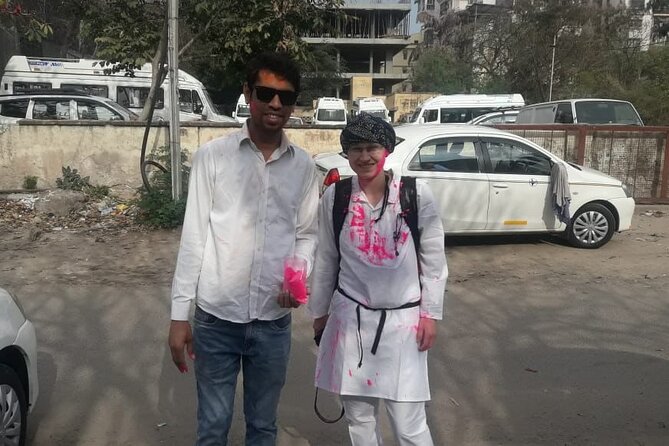
You should wear clothes you do not mind staining, protect your phone, and expect colour on your hair, face, and clothing. The tour information does not specify whether powder, water, protective glasses, or changing facilities are supplied, so ask before the celebration begins.
Past bookings repeatedly praised the way Gopal arranged the Holi experience and brought different groups together. Surendra and Vinod are names connected with previous driving arrangements. That does not guarantee who will be assigned on your date, but it suggests that the local team has experience managing this special event.
The main caution is that Holi can be intense. If you dislike crowds, physical contact, or having colour thrown at you, this may not be your ideal festival day. If you want a social celebration and are comfortable with a messy afternoon, it is likely to be the most memorable part of the route.
Jaipur’s forts and palaces fill Day 6
Day 6 returns to sightseeing after the festival. Panna Meena ka Kund is a small stepwell near the fort area, visited for about 15 minutes. It is a quick stop, but it adds another example of Rajasthan’s traditional water architecture.
The schedule then allows two hours at Jaipur’s most famous fort, though the name is not clearly printed in the supplied details. The description says the fort served as the capital of Rajasthan until 1728 and includes palaces, squares, and monuments. Ask your guide to confirm the exact fort before departure, as Jaipur has more than one major fort complex.
Jal Mahal is a photo stop beside Man Sagar Lake. The palace appears to float in the water, and you view it from the shore. The listed duration is unusually long, shown as one day and six hours, but the description calls it a photo opportunity. Treat the stated duration as an error and confirm the actual stop time.
Jantar Mantar is more than an outdoor collection of odd-shaped walls. Built in 1734 by Sawai Jai Singh II, it contains nineteen large astronomical instruments and is a UNESCO World Heritage site. An hour gives you time to see how rulers used architecture to measure the sky and calendar.
Hawa Mahal, the Palace of Winds, is a 30-minute stop. Its five-storey pink and red sandstone front is one of Jaipur’s signature views. The outside is especially photogenic, while the short visit means you should not expect a long palace tour.
The final major sight is the City Palace, built from 1721 as the administrative and ceremonial seat of Jaipur’s Maharaja. One hour is planned here, but the entrance fee is specifically not included. If you want to enter, add that cost to your budget.
This is another full day. I like the mix of engineering, royal architecture, water design, and street-facing palace views, but you should expect a steady pace rather than a relaxed wander.
The last morning leads back to Delhi
Day 7 begins at Birla Mandir, a white marble temple noted for its detailed latticework and dedication to Lord Vishnu. The schedule also includes Galtaji Temple, known as the Monkey Temple, with three sacred water pools and a complex structure. The visit lasts about 30 minutes and has no admission charge.
These final Jaipur stops offer a more spiritual ending than another palace would. They also require respectful clothing and behavior. The supplied details do not promise a long temple visit, so think of them as brief introductions.
Then comes the drive back to New Delhi, listed at about five hours. You can be dropped at the airport, your hotel, or another location in the city. Do not schedule a tight onward flight without confirming the return time, since road conditions can affect a long drive.
Hotels, guides, and what is included
The tour is private, so only your own group participates. Private local guides are provided for sightseeing, while the driver handles the road journeys. The vehicle is air-conditioned, and bottled mineral water is supplied during drives.
Six breakfasts are included. Six nights of accommodation are included only when you choose the hotel-inclusive option. Rooms are normally twin-sharing, while three people are placed in a triple room by default. If three people want two rooms, an extra charge applies.
Lunch and dinner are not included. Neither are personal expenses, insurance, flights, train tickets, or anything not specifically listed. The package also says monument entrance fees are excluded, despite some individual stops showing admission included, so this is worth settling in writing.
Pickup is available from Indira Gandhi International Airport in New Delhi, as well as hotels according to the inclusions. Confirmation is provided at booking, and the tour is described as suitable for most people. Free cancellation is available up to 24 hours before the start time, based on local time.
Who should book this Holi tour?
I would recommend it to a first-time visitor who wants the three major cities without arranging separate hotels, drivers, and guides. It also suits families and small groups who value a private vehicle and door-to-door service.
The tour is especially good for anyone who wants Holi to be part of a wider India trip, not the only purpose of the visit. You get Mughal monuments, Rajput architecture, temples, markets, stepwells, and two different views of the Taj Mahal.
I would hesitate if you prefer slow travel. Delhi’s second day is packed, the Agra to Jaipur route includes several stops, and Jaipur’s sightseeing day is full. I would also hesitate if you need a clearly itemized all-inclusive price, since admission fees and the hotel option need confirmation.
Should you book it?
Book this tour if you want a practical private route through Delhi, Agra, and Jaipur, with Holi as the main extra. The sunset and sunrise Taj Mahal visits, the Abhaneri stepwell, and the planned local celebration in Jaipur give the standard Golden Triangle a stronger sense of place.
Before booking, confirm three things: the exact hotels included at $335.72, which monument tickets are covered, and the precise Holi arrangements for 4 March 2026. If those details suit your budget, this is a strong-value choice for a compact first visit to northern India.
FAQ
What cities does the tour visit?
The route covers New Delhi, Agra, and Jaipur, then returns to New Delhi at the end.
How long does the tour last?
The experience lasts approximately seven days and includes six nights when the hotel-inclusive option is selected.
Is the tour private?
Yes. Only your own group participates in the activity.
Is airport pickup available?
Yes. Pickup and drop-off are available from Indira Gandhi International Airport, hotels, or other agreed locations in New Delhi.
What kind of vehicle is used?
One or two people travel in a four-seat sedan. Groups of three or four use a six-seat wagon, and groups of five to ten use a ten-seat minivan.
Is accommodation included?
Six nights of accommodation are included when you book the option that includes hotels. Rooms are generally twin-sharing, with triple-sharing used by default for three people.
Are meals included?
Six breakfasts are included. Lunch, dinner, and personal expenses are not included.
Are monument entrance fees included?
The general conditions say monument entrance fees are not included. Some individual stops show admission included, so you should confirm the exact ticket policy before booking.
Can I cancel for a full refund?
You can cancel up to 24 hours before the experience start time for a full refund. Changes or cancellations made less than 24 hours before the start time are not accepted for a refund.
Just added in New Delhi
- Old Town Delhi Walking Tour (2 Hours Guided Tour with Local)★ 4.5 · 22 reviews
- Yoga class in Delhi★ 5.0 · 29 reviews
- Unveil Old Delhi’s Food, Spice Market & Heritage Walk★ 5.0 · 26 reviews
- Vegetarian : Private Cooking Class in Delhi home ( Learn 7 meal)★ 5.0 · 58 reviews
- Private Taj Mahal & Agra Fort Tour, Dine with a View★ 5.0 · 27 reviews
- Tour to Akshardham temple with Guide and Delhi Transfer★ 5.0 · 26 reviews
- Private Tour of Taj mahal from Delhi by Train in 90 Min★ 5.0 · 46 reviews
- Private 2-Day Agra & Delhi Tour by Car–Includes Taj Mahal Sunrise★ 5.0 · 11 reviews
Golden Triangle Tours, compared.
3-Days Private Golden Triangle Tour: Delhi, Agra & Jaipur by Car
Read our review →3-Days Private Golden Triangle Tour: Delhi, Agra & Jaipur by Car
Read our review →
3-Day Delhi, Agra and Jaipur Private Tour – India Golden Triangle
Read our review →
Four-Day Private Luxury Golden Triangle Tour to Agra and Jaipur From New Delhi
Read our review →
5 Nights 6 Days Private Golden Triangle Tour – Delhi Agra Jaipur
Read our review →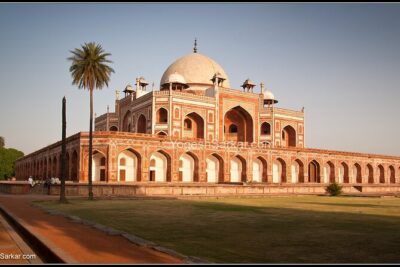
Private Car and Drive for Golden Triangle (4N/5D)
Read our review →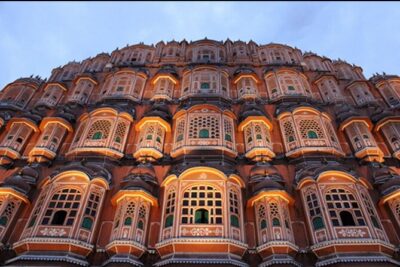
Private Golden Triangle Tour Delhi Agra Jaipur ( Top Rated )
Read our review →Browse the lists this tour appears in