
Reviewed · GOLDEN TRIANGLE TOURS
6-Days Golden Triangle Tour With Ranthambore & Jhalana Safari
India rewards travelers who slow down. This six-day route pairs Delhi’s grand monuments with the Taj Mahal, Jaipur’s palaces, and three safari outings. I like the private air-conditioned vehicle, which keeps the long road sections comfortable, and I like having two Ranthambore safaris plus one Jhalana safari built into the plan. The main drawback is cost creep: monument tickets are extra, and the listed entry fees for all cities can add about $90 per person.
I also like the hotel-and-breakfast setup, with five nights in 4 or 5-star hotels if you choose the accommodation option. Guides and a coordinator handle the busy parts, while the driver stays with you throughout. Still, this is an active trip with early starts, long drives, and a packed Jaipur sightseeing day, so you should not expect a restful holiday.
In This Review
- What makes this six-day route worth considering
- Delhi in one long first day
- Sunrise and Mughal Agra
- Two safari chances at Ranthambore
- Jhalana adds a leopard focus
- Jaipur’s forts, palaces, and astronomical tools
- A quiet temple stop before Delhi
- What the $397 price really covers
- Drivers and guides can shape the whole trip
- Who should book this route
- Should you book the Golden Triangle with safaris?
- FAQ
- Where does the tour start?
- Where does the tour end?
- How long is the tour?
- Are hotels included?
- Is breakfast included?
- Are monument entrance tickets included?
- How many safaris are included?
- Are safari fees included?
- What vehicle is used?
- Is this a private tour?
- What is the cancellation policy?
What makes this six-day route worth considering
- Sunrise at the Taj Mahal: You visit the monument early, when the light is gentle and the crowds may be lighter.
- Two Ranthambore safari drives: Morning and afternoon outings give you more chances to see wildlife than a single game drive.
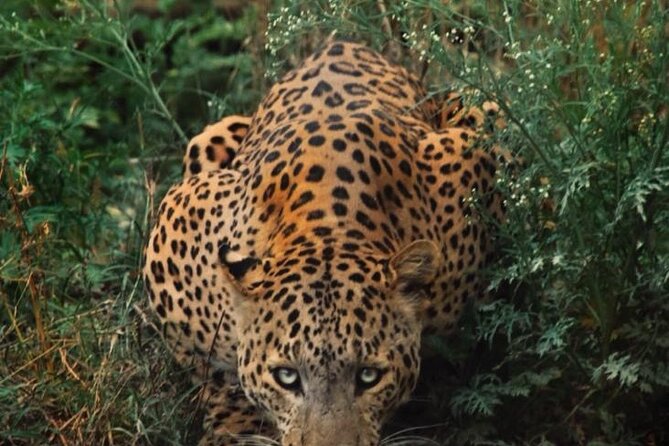
- A different kind of safari at Jhalana: This Jaipur park is known for leopard sightings, so the wildlife focus is not limited to tigers.
- Delhi’s old and imperial sides: Qutub Minar, Humayun’s Tomb, India Gate, Jama Masjid, and Chandni Chowk show several very different faces of the capital.
- Private transport for your group: A sedan, wagon, or minivan is assigned according to group size, with parking and tolls covered.
- Strong service record: The tour has a 4.9 rating from 31 reviews, with 97 percent recommending it. Drivers including Lalit, Sanjeev, Mahendra, Vinod, and Surendra received especially warm praise.
Delhi in one long first day
The trip begins with pickup at Indira Gandhi International Airport, although the operator can also arrange the start around your Delhi hotel or another agreed point in the city. Day one covers a great deal of ground, so I would treat it as a highlights day rather than a slow introduction to Delhi.
Your first major stop is Qutub Minar, a 73-meter tower built in 1193 by Qutub-ud-din Aibak, founder of the Delhi Sultanate. You get about an hour here. The tower is the star, but the surrounding complex adds useful context, with early Islamic architecture and older stonework gathered in one place. The admission charge is extra.
The Lotus Temple follows, with about 30 minutes to see its famous flower-shaped structure. Admission is free. The building welcomes people of all religions, and its clean lines offer a calm pause after the noise and traffic of Delhi.
A short stop at India Gate gives you a look at one of the capital’s best-known memorials. You get about 15 minutes, enough for photographs and a quick explanation of the soldiers commemorated there. The nearby Parliament House is also viewed during the drive or sightseeing portion, but the schedule does not list a separate visit time.
Jama Masjid brings you into Old Delhi and Mughal-era Delhi. Built by Shah Jahan between 1650 and 1656, it is one of India’s largest mosques. The planned stop lasts about 30 minutes, and admission is listed as free. Dress and behavior should be respectful at religious sites, and you may need to follow local rules about footwear or clothing.
The day’s most atmospheric stop may be Chandni Chowk. Give yourself the full hour here to take in spice stalls, dried fruit, silver jewelry, colorful saris, and narrow side streets full of small shops. This is a better place for seeing everyday commerce than for rushing after souvenirs. Keep your belongings close, stay aware of traffic, and avoid letting a shopping stop consume the schedule.
Humayun’s Tomb closes the Delhi sightseeing portion. The tomb, commissioned in 1558 by Empress Bega Begum for the Mughal emperor Humayun, is an important architectural link to the later Taj Mahal. You get an hour, but the admission ticket is extra.
After lunch at a local restaurant, you travel by expressway to Agra. The drive and stops make day one a full program. Once in Agra, you check into the hotel and have the rest of the evening free. That quiet evening matters because the next morning begins early.
More Wildlife and Tiger Safaris in New Delhi
- Private 4-Day Golden Triangle Tour with Ranthambore Tiger Safari
★ 5.0 · 248 reviews - Private 5-Day Ranthambhore Tiger Tour from Delhi including the Taj Mahal, Agra and Jaipur
★ 5.0 · 197 reviews - 4 Day Golden Triangle with Ranthambore Tiger Safari Tour from Delhi
★ 5.0 · 110 reviews
Sunrise and Mughal Agra
The Taj Mahal is scheduled at sunrise on day two, followed by about two hours with a guide. This timing is one of the tour’s best choices. The white marble changes color in the early light, and the visit feels less hurried when you arrive before the main heat of the day.
The Taj Mahal was built by Mughal emperor Shah Jahan in 1630 as a tomb for his wife. Your guide explains the building’s purpose, design, and story during the visit. The entrance fee is not included, so budget for it before you arrive.
Next comes Agra Fort, another UNESCO World Heritage site. Allow about an hour. The fort helps you understand the power of the Mughal court, with massive defensive walls and palace areas linked to rulers including Akbar and Shah Jahan. It is not merely a second red-stone monument after the Taj. The two sites show different sides of Mughal rule: imperial residence and memorial architecture.
Itmad-ud-Daulah takes another hour. Often called the Baby Taj or jewel box, this smaller mausoleum is known for delicate detail and its place in the development of Mughal tomb design. The entry fee is extra, but the stop adds scale and variety to the Agra day.
The route then turns toward Ranthambore, with a stop at Chand Baori in Abhaneri. This huge stepwell dates to the eighth or ninth century and descends through about 3,500 steps. You have roughly 30 minutes, enough to see the geometry from above and take photographs. The ticket costs extra, and the short visit means you will not explore every corner.
You reach Ranthambore later in the day and check into the hotel. The listed schedule allows about five hours for arrival and hotel time, but the long transfer from Agra means this is mainly a travel day after the morning sightseeing. Pack water and keep a light layer handy. The tour provides one complimentary bottle of mineral water per day, but you may want more during road sections and safari drives.
Two safari chances at Ranthambore
Day three is devoted to Ranthambore National Park, with one safari after breakfast and another after lunch. Each outing lasts about three hours. Safari fees are included, and the package provides two games in either a Gypsy or a Canter.
This setup is valuable because wildlife sightings are never guaranteed. A morning drive and an afternoon drive give you two separate chances to see the park at different times of day. The park is known for tiger sightings, which is the main reason many people add Ranthambore to a standard Golden Triangle route.
I would keep expectations sensible. The tour promises safari outings, not a guaranteed tiger. You may see other wildlife, birds, or the park’s historic surroundings, but the supplied details do not promise specific sightings. The safari vehicles can also affect the feel of the outing: a Gypsy is smaller, while a Canter is a larger vehicle.
Because both drives occupy much of the day, there is little time for extra Ranthambore sightseeing. That is a fair trade if wildlife is a priority. It would be less suitable if you want a long visit to the fort or a slow afternoon at the hotel.
Jhalana adds a leopard focus
Day four moves on toward Jaipur, beginning with a brief stop at Patrika Gate. This colorful modern monument at Jawahar Circle features murals linked to Rajasthan’s culture, rulers, festivals, and past. Fifteen minutes is enough for photographs, though not for a careful look at every painted panel.
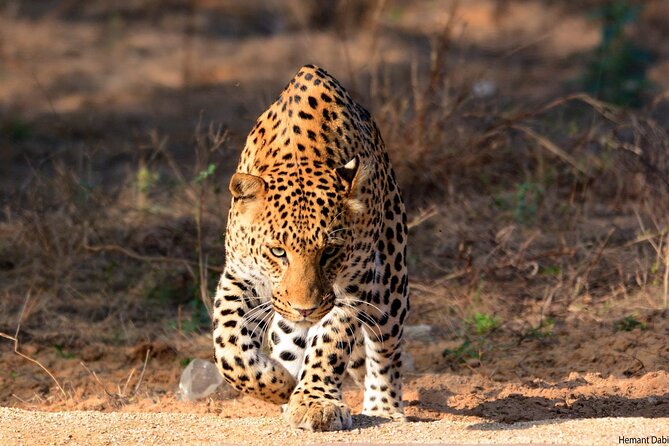
The itinerary then schedules an evening safari at Jhalana Safari Park, with about three hours in the park. Jhalana gives this route a useful second wildlife angle. Ranthambore is associated with tigers, while Jhalana is known for leopards.
The park visit comes before hotel check-in in Jaipur, so you should expect a late-feeling day after the transfer from Ranthambore. The Jhalana safari is included, but the schedule does not specify the vehicle type for this outing. Afterward, you check into your Jaipur hotel for the night.
This is one of the tour’s more unusual features. Many Golden Triangle routes stop at Delhi, Agra, and Jaipur alone. Adding Ranthambore and Jhalana makes the trip more varied, but it also adds road time and reduces the number of easy, unplanned evenings.
More Golden Triangle Tours in New Delhi:
- 3-Days Private Golden Triangle Tour: Delhi, Agra & Jaipur by Car
★ 5.0 · 1,107 reviews - 3-Days Private Golden Triangle Tour: Delhi, Agra & Jaipur by Car
★ 5.0 · 1,098 reviews - 3-Day Delhi, Agra and Jaipur Private Tour – India Golden Triangle
★ 5.0 · 812 reviews - Four-Day Private Luxury Golden Triangle Tour to Agra and Jaipur From New Delhi
★ 5.0 · 807 reviews
Jaipur’s forts, palaces, and astronomical tools
Day five is the main Jaipur sightseeing day. Start at Panna Meena ka Kund, a stepwell near Amber Fort. The stop lasts about 15 minutes, so you will mainly see the striking stair pattern and hear a short explanation rather than spend time wandering.
Amber Palace receives two hours with a guide. This was the capital of Rajasthan until 1728 and was built by Raja Man Singh I. The palaces, courtyards, and monuments give you the clearest sense of Jaipur’s royal past, and the longer stop allows time for the site to feel more than a quick photograph.
The schedule then moves to Jal Mahal, the palace set in Man Sagar Lake. It is a 15-minute photo stop, not a full palace visit. The building is best appreciated from the shore, where its unusual position in the water makes a memorable image.
At the City Palace, you get about an hour. It served as the administrative and ceremonial seat of Jaipur’s Maharaja from its construction in 1721. The admission charge is extra, and I would check what areas your ticket covers before entering.
Jantar Mantar follows for another hour. This UNESCO-listed site contains 19 large astronomical instruments built in 1734 by Sawai Jai Singh II, the founder of Jaipur. It is one of the tour’s most distinctive stops because the instruments turn science into architecture. A guide is especially useful here, since the structures can look puzzling without an explanation.
Hawa Mahal gets a 15-minute stop. The five-story Palace of Winds is made from pink and red sandstone and is usually viewed from outside during a brief visit. If you want to enter, the ticket is extra and the timing may be tight.
The day ends with a short visit to Albert Hall Museum, Rajasthan’s oldest museum and state museum. Fifteen minutes is not enough for a full museum visit, so think of this as a quick exterior or introductory stop unless the schedule changes.
Jaipur day five is packed. I like the range, from royal rooms to scientific instruments, but you will need to keep moving. The entry tickets for Amber Palace, City Palace, Jantar Mantar, Hawa Mahal, Albert Hall, and other paid sites are not included.
A quiet temple stop before Delhi
Day six begins at Birla Mandir, a white-marble temple known for intricate latticework and dedicated to Lord Vishnu. The visit lasts about 15 minutes and admission is free. It is a brief, orderly start before the final drive.
Galtaji Temple, also called the Monkey Temple, follows for about 30 minutes. The complex has three sacred pools and is known for its monkeys. The site offers a different look at Jaipur’s religious life than Birla Mandir, though you should follow local guidance around animals and sacred water.
The drive back to Delhi takes about four hours. Drop-off is available at the airport, a hotel, or another desired location in the city. If you are catching a flight, confirm the timing carefully, since traffic and the day’s sightseeing schedule can affect your margin.
What the $397 price really covers
At $397.28 per person, the price is attractive for a six-day private trip if you choose the option with hotels. It covers five nights in comfortable 4 or 5-star accommodation, five breakfasts, an assigned driver, a trained representative, air-conditioned transport, parking, tolls, mineral water, two Ranthambore safari games, and one Jhalana safari.
The private setup is important. One or two people travel in a four-seat sedan, three or four use a six-seat wagon, and groups of five to ten use a 10-seat minivan. Only your own group participates, which gives you more control than a large coach tour.
You must budget for the monument tickets. The tour lists all-city entrance fees at about $90 per person, although individual charges vary by site. Lunch and dinner are not included, despite the five breakfasts. Drinks, laundry, tips, insurance, flights, train tickets, taxes, and other personal costs are also your responsibility.
The value is strongest for couples, families, or small groups who want one company to coordinate road transport, hotels, guides, and safaris. A solo traveler should check the single supplement or room arrangement before booking. Rooms are generally twin-sharing, and three-person bookings default to triple-sharing. If three people want two rooms, an added charge applies.
Drivers and guides can shape the whole trip
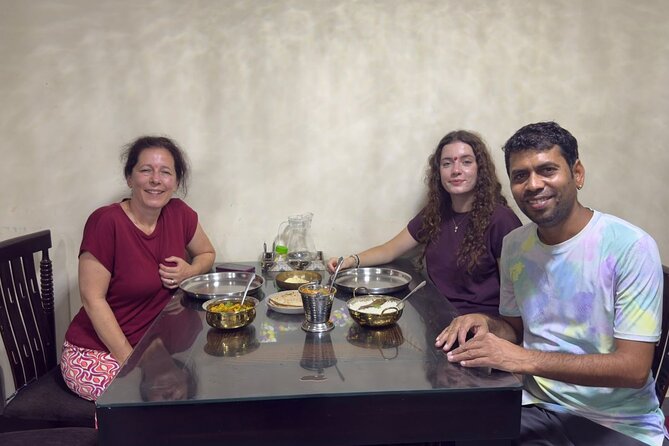
The strongest service praise centers on the drivers and trip coordination. Gopal is repeatedly described as responsive, flexible, and quick to communicate. Drivers Lalit, Sanjeev, Mahendra, Vinod, and Surendra are singled out for punctuality, patience, friendliness, and careful support on the road.
That matters in India. A good driver is not just handling the wheel. The route includes city traffic, expressways, long transfers, airport timing, and several early or late activities. A reliable driver reduces the small daily stresses that can otherwise overshadow the monuments.
Local guides are provided at key sites, and the tour’s service record gives you reason to expect useful explanations. Still, I would ask at booking which sites include a guide and how much free time you will have. The schedule is detailed, but some stops are very short.
One practical caution comes from a past experience of high-pressure souvenir selling. The tour itself includes sightseeing, but shopping stops can sometimes appear during guided tours. If you do not want to buy carpets, marble work, jewelry, or textiles, say so clearly and politely. A private vehicle makes it easier to keep the day focused on the places you came to see.
Who should book this route
I would recommend this tour to a first-time India visitor who wants the classic Golden Triangle with more wildlife and less planning. It works especially well for couples, families, and small groups who value a private car, included breakfasts, and hotel coordination.
It also suits anyone who wants a realistic chance at safari sightings rather than a single rushed wildlife outing. The two Ranthambore drives are the strongest wildlife feature, while Jhalana adds a leopard-focused experience near Jaipur.
I would hesitate if you want a slow cultural trip with long afternoons, independent meals, or extensive time inside every museum. The route is efficient, but the transfer to Ranthambore and the full Jaipur sightseeing day can be tiring.
The cancellation policy is favorable if your plans are still changing: you can cancel at least 24 hours before the start for a full refund. Weather or minimum-participant issues may lead to a new date or refund, according to the stated terms.
Should you book the Golden Triangle with safaris?
Book it if you want Delhi, Agra, Jaipur, Ranthambore, and Jhalana in one coordinated trip. The private vehicle, five hotel nights, breakfasts, and included safaris make the $397.28 starting price good value, provided you add the monument tickets and daily meals to your budget.
Before paying, confirm the exact hotel names, the final room arrangement, which city sights include guides, and the likely safari vehicle at Jhalana. If you can handle early mornings and long drives, this is a smart way to see India’s biggest highlights without spending your holiday arranging every transfer yourself.
FAQ
Where does the tour start?
The listed meeting point is Indira Gandhi International Airport in New Delhi, India.
Where does the tour end?
The tour drives you back to Delhi and can drop you at the airport, a hotel, or another desired location in the city.
How long is the tour?
The experience lasts approximately six days and includes five nights of accommodation when the hotel option is selected.
Are hotels included?
Five nights are included if you book the option that includes hotels. The accommodation is described as comfortable 4 or 5-star hotels.
Is breakfast included?
Yes. The package includes five breakfasts. Lunches, dinners, and other meals are not included.
Are monument entrance tickets included?
No. Monument entry fees are extra. The tour lists estimated entrance fees for all cities at about $90 per person.
How many safaris are included?
You receive two safari games in Ranthambore and one safari at Jhalana in Jaipur.
Are safari fees included?
Yes. Safari fees for the two Ranthambore outings and one Jhalana outing are included.
What vehicle is used?
Groups of one or two use a four-seat sedan. Groups of three or four use a six-seat wagon. Groups of five to ten use a 10-seat minivan.
Is this a private tour?
Yes. Only your own group participates in the tour or activity.
What is the cancellation policy?
You can cancel at least 24 hours before the start time for a full refund. Cancellations or changes made less than 24 hours before the start are not refunded or accepted.
Just added in New Delhi
- Old Town Delhi Walking Tour (2 Hours Guided Tour with Local)★ 4.5 · 22 reviews
- Yoga class in Delhi★ 5.0 · 29 reviews
- Unveil Old Delhi’s Food, Spice Market & Heritage Walk★ 5.0 · 26 reviews
- Vegetarian : Private Cooking Class in Delhi home ( Learn 7 meal)★ 5.0 · 58 reviews
- Private Taj Mahal & Agra Fort Tour, Dine with a View★ 5.0 · 27 reviews
- Tour to Akshardham temple with Guide and Delhi Transfer★ 5.0 · 26 reviews
- Private Tour of Taj mahal from Delhi by Train in 90 Min★ 5.0 · 46 reviews
- Private 2-Day Agra & Delhi Tour by Car–Includes Taj Mahal Sunrise★ 5.0 · 11 reviews
Golden Triangle Tours, compared.
3-Days Private Golden Triangle Tour: Delhi, Agra & Jaipur by Car
Read our review →3-Days Private Golden Triangle Tour: Delhi, Agra & Jaipur by Car
Read our review →
3-Day Delhi, Agra and Jaipur Private Tour – India Golden Triangle
Read our review →
Four-Day Private Luxury Golden Triangle Tour to Agra and Jaipur From New Delhi
Read our review →
5 Nights 6 Days Private Golden Triangle Tour – Delhi Agra Jaipur
Read our review →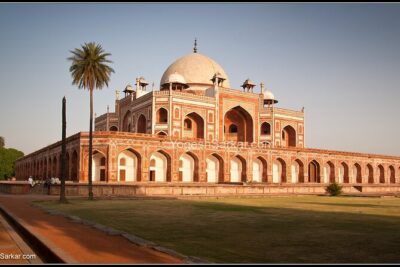
Private Car and Drive for Golden Triangle (4N/5D)
Read our review →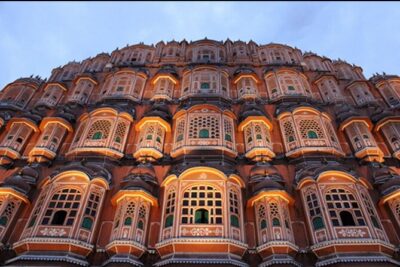
Private Golden Triangle Tour Delhi Agra Jaipur ( Top Rated )
Read our review →Browse the lists this tour appears in