
Reviewed · GOLDEN TRIANGLE TOURS
4-Days Private Golden Triangle Tour: Delhi, Agra & Jaipur by Car
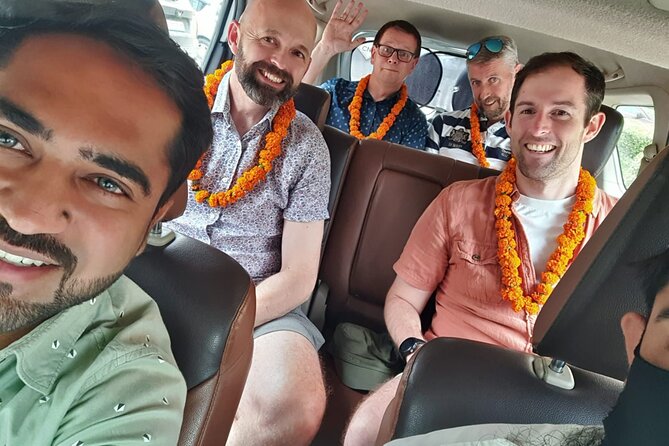
India’s grandest first trip fits four busy days. This private Golden Triangle tour links Delhi, Agra, and Jaipur by air-conditioned car, with a driver for your group and a separate local guide in each city. I like the private format, especially the freedom to adjust the pace and request places such as Dilli Haat, a Sikh temple, or a Royal Enfield showroom. I also like the small practical touches, including the Old Delhi tuk-tuk ride and the battery van to the Taj Mahal gate.
The main concern is the schedule. Day 1 packs much of Delhi into a long sightseeing run before a three-hour drive to Agra, and the final transfer to Delhi takes about four hours. You should also check the price breakdown carefully, because the information supplied gives conflicting details about monument tickets.
This is a strong choice if you want India’s three headline cities without arranging cars, hotels, guides, tolls, and transfers yourself. It is less suitable if you prefer slow mornings, long meals, or several free hours in each city.
In This Review
- Key points at a glance
- Why the private format works well in India
- Day 1: Delhi’s minarets, tombs, and market lanes
- Day 2: Taj Mahal at sunrise, then Agra’s Mughal story
- Day 3: Jaipur forts, royal courtyards, and pink facades
- Day 4: The long road back to Delhi
- Hotels, meals, and the real cost
- Guides, drivers, and personal service
- Practical details before you book
- Who should choose this four-day route?
- Should you book it?
- FAQ
- How long is the tour?
- Which cities does the tour visit?
- Is the tour private?
- Is transportation included?
- Where can pickup take place?
- Are hotels included?
- What room arrangement is normally provided?
- Is the Taj Mahal open every day?
- Are monument entrance fees included?
- Can the tour be changed?
Key points at a glance
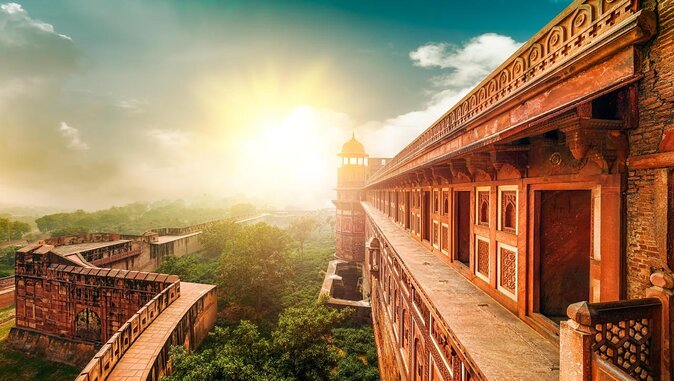
- One private car for your party: Sedan, wagon, or van size depends on group numbers, with a professional chauffeur throughout the route.
- Delhi packs in old and new: Qutub Minar, Humayun’s Tomb, Lotus Temple, Jama Masjid, Chandni Chowk, and Khari Baoli all appear on the first day.
- Sunrise at the Taj Mahal: The early visit allows up to three hours at India’s most famous monument before Agra Fort and the Baby Taj.
- Jaipur mixes forts and palaces: Jaigarh Fort, City Palace, Jal Mahal, Hawa Mahal, and Jantar Mantar fill the main Jaipur day.
- Hotels come in three levels: You can choose three, four, or five-star accommodation with breakfast, if you select the hotel option.
- Guides are a major part of the value: Guides such as Maahi, Sadiq, Arham, Brajesh, Aman, and Faizal are praised for clear explanations, safety advice, and excellent photo help.
Why the private format works well in India
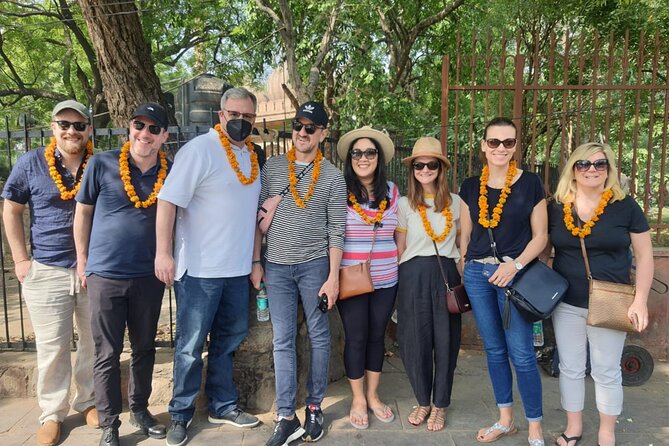
A private vehicle matters here. Delhi, Agra, and Jaipur are spread across long road routes, and this tour gives you one chauffeur for the full journey rather than a series of separate transfers. The car includes air conditioning, fuel, tolls, parking, taxes, service charges, and bottled mineral water.
Your group travels alone, so you can ask for a different pickup time within the stated 7 AM to 11 AM Delhi window. The tour can also be customized. One family added Dilli Haat and a Royal Enfield showroom in Delhi, while another group requested shopping and the Monkey Temple in Jaipur.
The driver does not replace the local guide. You generally receive a guide for each city, while the same driver handles the road journeys. That division works well: the driver focuses on Delhi traffic and intercity roads, while the guide explains the monuments and helps you move through busy areas.
Vehicle size is tied to group size. One or two people receive a four-seat sedan. Three to five use a six-seat wagon, six to nine use a nine-seat van, and ten to twelve use a twelve-seat van. Ask about luggage space if your party is large, since passenger capacity and suitcase comfort are not always the same thing.
More Golden Triangle Tours in New Delhi:
- 3-Days Private Golden Triangle Tour: Delhi, Agra & Jaipur by Car
★ 5.0 · 1,107 reviews - 3-Days Private Golden Triangle Tour: Delhi, Agra & Jaipur by Car
★ 5.0 · 1,098 reviews - 3-Day Delhi, Agra and Jaipur Private Tour – India Golden Triangle
★ 5.0 · 812 reviews
Day 1: Delhi’s minarets, tombs, and market lanes
The first day is ambitious. Your pickup can be from Delhi, Noida, Gurugram, Ghaziabad, or Faridabad, and the sightseeing begins at Qutub Minar.
Qutub Minar is a fine opening stop. Built in 1193 by Qutub-ud-din Aibak, the tall, carved minaret gives you an early look at the architectural layers that shape northern India. Allow about an hour. The monument ticket is listed separately in the supplied details, so confirm the current arrangement before you go.
The Lotus Temple follows, with about 30 minutes set aside. Its flower-like form is striking, but the visit is not only about the building. This Baháʼí House of Worship welcomes people of all faiths and is intended as a place of quiet reflection. It gives the morning a calmer pause after the crowds and traffic.
You then pass the Red Fort, India Gate, the government district, and Parliament House. These are drive-by views rather than full visits. That is useful for a first orientation, but you should not expect time inside the Red Fort on this itinerary. India Gate commemorates Indian army servicemen who died during the First World War, and the nearby government buildings were designed by Edwin Lutyens and Herbert Baker.
Agrasen ki Baoli is a short stop with a very different mood. This old stepwell sits in central Delhi, surrounded by modern city life. Its stairways and shadowy lower levels make it a memorable photo stop, although 30 minutes is enough for a quick look rather than a long visit.
Humayun’s Tomb is one of the day’s best monuments. Commissioned by Humayun’s wife, it was India’s first garden tomb and helped shape later Mughal design. The broad grounds give you room to appreciate the layout, not just the central building. Plan on about an hour, with the entrance fee again listed as extra.
After a 45-minute food break, you head into Old Delhi. Chandni Chowk is not a polished sightseeing zone. It is a tight network of shops, carts, signs, and people, with spices, dry fruits, silver jewelry, and saris competing for your attention. The included tuk-tuk ride is a smart touch here, since a small vehicle can handle lanes where a car cannot.
Jama Masjid sits opposite the Red Fort and was built in 1656 with the labor of 5,000 workers. Its red sandstone courtyard is vast, and the mosque gives you a strong sense of Mughal Delhi. Dress respectfully, follow the guide’s instructions, and note that an entrance fee is listed separately.
Finish at Khari Baoli, described as Asia’s largest wholesale spice market. The air, colors, and piles of goods give this part of Delhi a sharper, more sensory feel than the formal monuments. After roughly an hour here, you drive about three hours to Agra and check into your hotel.
This is a full day. You will see a great deal, but the pace leaves limited time for unplanned wandering. I would treat Delhi as an introduction rather than a complete city visit.
Day 2: Taj Mahal at sunrise, then Agra’s Mughal story
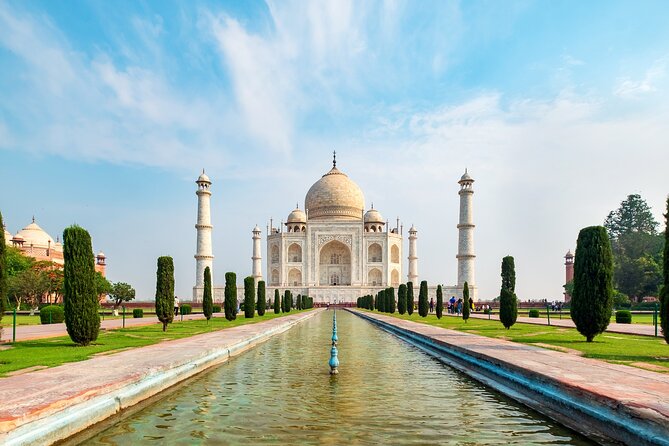
The sunrise Taj Mahal visit is the emotional center of the tour. You have up to three hours at the monument, beginning early enough to see the marble change as the light improves. The mausoleum was built by Shah Jahan in 1630 for his wife Mumtaz Mahal, and a guide can help explain the building’s symbolism, design, and history.
The battery van from the parking area to the gate is included. That small transfer saves energy and avoids part of the approach road, which is useful when you have already started the day early. The Taj Mahal ticket is listed as extra in the cost details, despite a separate description saying monument tickets are included. Confirm this before booking.
Your guide is likely to be especially useful here. Sadiq is praised for finding good photo positions and explaining the site through stories. Aman and Amaan are also noted for photo help, while Maahi receives strong praise for her clear explanations, patience, and attention to safety. If you have a particular interest in photography or would prefer a female guide, you can request it, though the information does not promise a specific guide.
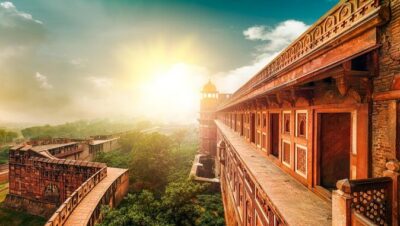
Agra Fort comes next, usually for about an hour. This is not just another red sandstone fort. Its courtyards, palaces, and pavilions show how imperial power operated, and the buildings combine Indian and Islamic design. The guide’s explanation helps connect the fort to the Taj Mahal and to Shah Jahan’s later life.
Itmad-ud-Daulah, often called the Baby Taj, is smaller and more delicate. It was the first Mughal monument built entirely of white marble and is known for its pietra dura inlay, the careful use of colored stone set into marble. After the scale of the Taj Mahal and Agra Fort, this 30-minute stop offers close-up detail.
You then have a food break before driving about three hours to Jaipur. The road transfer is comfortable in principle, but it is still a long stretch. Keep the afternoon light and do not expect sightseeing in Jaipur on this day. Your overnight stay is in Jaipur.
Day 3: Jaipur forts, royal courtyards, and pink facades
Jaipur begins with Jaigarh Fort, high in the Aravalli hills. Built in 1726 by Maharaja Sawai Jai Singh II, it gives you a fortress setting before the palace visits begin. Two hours allows time to see the main areas and take in the hill views, though the uphill location may feel tiring after two packed days.
The City Palace changes the mood completely. This was the seat of Jaipur’s Maharaja and includes courtyards, gardens, and palace buildings. Some sections remain connected to the former royal household, while others are open for visitors. You should allow an hour here and listen closely to the guide, since the value comes from understanding how the courtyards and buildings fit together.
Jal Mahal is a short photo stop beside Man Sagar Lake. The 17th-century palace appears to sit in the water, with its Rajput design creating one of Jaipur’s most recognizable views. Thirty minutes is enough for photographs and a quick explanation, but not for a lengthy visit.
Hawa Mahal, the Palace of Winds, is another brief stop. Built in 1799 by Sawai Pratap Singh, the five-story red and pink sandstone facade was designed with many small openings. From the street, it is one of Jaipur’s most memorable sights. The itinerary allows 30 minutes, so expect an exterior-focused visit rather than a leisurely palace tour.
After lunch, Jantar Mantar completes the sightseeing. This UNESCO-listed observatory contains large instruments used to track celestial movements and measure time. It can seem puzzling without an explanation, so a good guide adds real value here. The planned visit lasts about 45 minutes, followed by a return to your Jaipur hotel.
Jaipur guides receive some of the warmest praise. Brajesh is described as energetic, flexible, and attentive to personal requests. He adjusted the timing of a Taj Mahal visit for winter conditions, added a handicraft center, and helped with shopping. In Jaipur, he also adapted the route for the Monkey Temple when requested.
A few more options to weigh up in New Delhi
- Old & New Delhi City Tour – Half or Full Day Options Available
★ 5.0 · 4,811 reviews - Same Day Taj Mahal, Agra Fort & Baby Taj Tour from Delhi by Car
★ 5.0 · 4,304 reviews - Taj Mahal Day Tour from Delhi by Superfast Train – TOP RATED TOUR
★ 5.0 · 4,166 reviews - Full Day Taj Mahal, Agra Fort & Baby Taj Tour from Delhi by Car
★ 5.0 · 3,647 reviews
Day 4: The long road back to Delhi
The final day is mostly a transfer. The drive back to Delhi takes about four hours, and you can instead request a drop-off at Jaipur Airport if that fits your plans.
This option is useful for a flight or onward connection, but build in plenty of time. The tour information does not promise a fixed arrival time, and Indian road conditions can affect a long transfer. One group used an early pickup to reach Delhi for a 2 PM flight, but you should still confirm your timing directly before relying on the same plan.
Hotels, meals, and the real cost
The advertised price is $171 per person, which can be good value for a private four-day route if the group size is larger and you choose the lower hotel category. The package can include three nights in three, four, or five-star hotels, plus three breakfasts. Hotel standards and room arrangements depend on the option you select.
Rooms are normally twin-sharing. A booking for three people defaults to one triple-sharing room, while two rooms for three people cost extra. On December 24 and December 31, hotel bookings require a $99-per-person gala dinner surcharge.
Breakfast is included with the hotel option, but lunch and dinner are not. Guides recommend restaurants in Delhi, Agra, and Jaipur, giving you some help with local food without forcing every meal into the package. Tips for the driver and guides are also extra.
The biggest pricing issue is monument admission. The general description says all monument tickets and guide fees are included, yet the detailed cost section lists entrance fees at $70 per person and marks several major sites as not included. Treat the $171 as a starting price until the operator confirms the final total.
Guides, drivers, and personal service
The strongest part of this experience is the human support. The guide names praised most often include Maahi, Sadiq, Arham, Brajesh, Aman, Amaan, Faizal, Ali, and Vishal. Their strengths include clear English, historical storytelling, photo assistance, patience, and help avoiding the worst crowds.
Maahi is a particularly good match for female groups or anyone who values a calm, safety-aware guide. Sadiq and Amaan are strong choices if you care about photographs at the Taj Mahal. In Delhi, Arham and Zain are praised for making the city feel comfortable while explaining its culture and monuments.
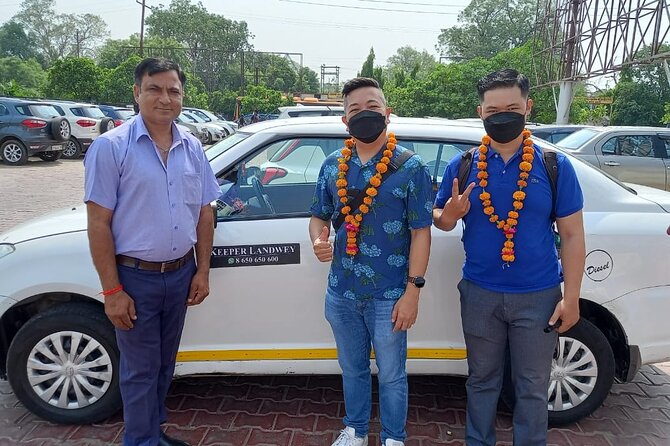
The driver is just as important on this route. Dushyant is praised for making long transfers feel easy, and Sunil is described as careful and punctual. The tour also provides a direct contact point for small problems, which helps when plans change on the road.
Practical details before you book
The tour is private, and most people can participate. Pickup is available from Delhi and nearby cities, and airport pickup requires your flight details at booking. Carry valid photo identification on your mobile for monument entry.
The Taj Mahal is closed every Friday. If your tour starts on a Thursday, the second day is scheduled in Jaipur rather than following the standard Agra order, so check the exact sequence before confirming flights and hotels.
Free cancellation is available up to 24 hours before the start time. Changes or cancellations inside that window are not accepted for a refund.
Who should choose this four-day route?
I would recommend it to first-time visitors who want the major sights with very little planning. Families, couples, small friend groups, and solo visitors who prefer private transport will get the most from it. The private car also makes the route practical for people who do not want to manage Indian rail connections or local taxis.
You should think twice if you want long visits at each monument. Delhi’s first day is especially packed, and the Agra to Jaipur transfer uses much of day two. This is a highlights tour, not a slow cultural stay.
Should you book it?
Book this tour if convenience, private transport, local guides, and a clear route matter most to you. The strongest benefits are the flexible format, the well-regarded guides, the early Taj Mahal visit, and the included road costs that can otherwise add up quickly.
Before paying, get the monument-ticket policy in writing and confirm the hotel category, room sharing, pickup time, and final price. If those details are clear, this is a practical and well-supported way to see India’s Golden Triangle in four demanding but rewarding days.
FAQ
How long is the tour?
The experience lasts approximately four days and includes three nights.
Which cities does the tour visit?
The route covers Delhi, Agra, and Jaipur, with a return to Delhi or an optional drop-off at Jaipur Airport on the final day.
Is the tour private?
Yes. Only your own group participates.
Is transportation included?
Yes. A private air-conditioned vehicle with a professional chauffeur is included, along with fuel, tolls, parking, taxes, service charges, and bottled mineral water.
Where can pickup take place?
Pickup is offered from locations in Delhi, Noida, Gurugram, Ghaziabad, and Faridabad. Hotel and airport pickup are also available with the required details.
Are hotels included?
Three nights of accommodation are included if you select the hotel option. Three, four, and five-star choices are available with breakfast.
What room arrangement is normally provided?
Rooms are generally twin-sharing. A booking for three people normally receives triple-sharing accommodation unless an additional charge is paid for two rooms.
Is the Taj Mahal open every day?
No. The Taj Mahal is closed every Friday.
Are monument entrance fees included?
The detailed cost information lists monument entrance fees of $70 per person as not included, although another description says tickets are included. Confirm the final ticket policy before booking.
Can the tour be changed?
Yes. The tour can be customized to suit customer requirements. Any airport pickup requires flight details at the time of booking.
Just added in New Delhi
- Five Days Golden Triangle Tour with Ranthambore Delhi Agra Jaipur★ 5.0 · 11 reviews
- 5 Days Golden Triangle Tour with Ranthambore India★ 5.0 · 10 reviews
- 5 Days Golden Triangle Tour with Ranthambore Delhi Agra Jaipur★ 5.0 · 11 reviews
- Delhi, Agra, Jaipur & Ranthambhore Tiger Safari 5-Day Tour★ 5.0 · 47 reviews
- 5-Day Private Luxury Golden Triangle Tour From Delhi★ 5.0 · 45 reviews
- Private 5 Days Golden Triangle Tour – Visit Delhi Agra and Jaipur★ 5.0 · 26 reviews
- 5-Day Private Delhi, Agra and Jaipur with Ranthambhore Tiger Tour From Delhi★ 5.0 · 44 reviews
- 5-Day Private Golden Triangle Tour: Delhi, Agra, and Jaipur★ 5.0 · 62 reviews
Golden Triangle Tours, compared.
3-Days Private Golden Triangle Tour: Delhi, Agra & Jaipur by Car
Read our review →3-Days Private Golden Triangle Tour: Delhi, Agra & Jaipur by Car
Read our review →
3-Day Delhi, Agra and Jaipur Private Tour – India Golden Triangle
Read our review →
Four-Day Private Luxury Golden Triangle Tour to Agra and Jaipur From New Delhi
Read our review →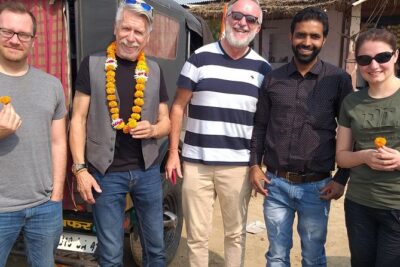
5 Nights 6 Days Private Golden Triangle Tour – Delhi Agra Jaipur
Read our review →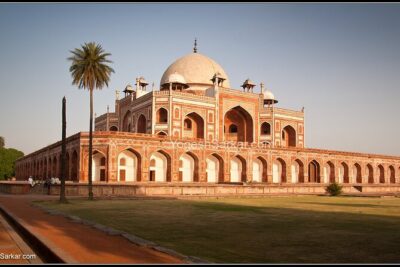

Private Car and Drive for Golden Triangle (4N/5D)
Read our review →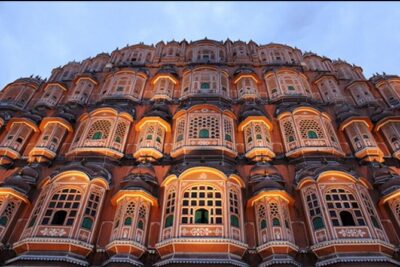
Private Golden Triangle Tour Delhi Agra Jaipur ( Top Rated )
Read our review →Browse the lists this tour appears in