
Reviewed · GOLDEN TRIANGLE TOURS
4-Day Private Golden Triangle Tour: Delhi, Agra and Jaipur from Delhi
See India’s headline sights fast. This four-day private Golden Triangle tour links Delhi, Agra, and Jaipur with a dedicated car, local guides, included entrance fees, and three hotel nights when you select the hotel option. It is built for first-time visitors who want the big sights without wrestling with Indian transport on their own.
I especially like the private driver and separate local guides, since you get door-to-door transport plus city-specific help at each monument. I also like the early Taj Mahal visit, the quiet Mehtab Bagh viewpoint, and the stop at Chand Baori, which adds something less expected to a route full of famous landmarks. The main drawback is the pace: Delhi sightseeing is packed, and the final five-hour drive back to Delhi leaves little room for rest.
This is a practical introduction rather than a slow, immersive stay in each city. You will see a great deal, but you will also spend plenty of time in the car. For many first visits, that trade-off is worth it.
In This Review
- Key points to know before booking
- Why this route works for a first visit
- Day 1: Delhi from Humayun’s Tomb to Old Delhi
- Jama Masjid and Chandni Chowk: Delhi’s sharpest contrast
- Day 2: The road to Agra and the red walls of Agra Fort
- Day 3: Taj Mahal sunrise and the step wells of Abhaneri
- Day 4: Amber Fort, Jaipur’s palaces, and the long return
- What the private car and guides add
- Price, hotels, and what you really receive
- Small details that will make the four days easier
- Should you book this Golden Triangle tour?
- FAQ
- Is this a private tour?
- How long does the tour last?
- Is hotel accommodation included?
- Is breakfast included?
- Is the Taj Mahal visit at sunrise?
- What is included in the price?
- What costs extra?
- Can the tour pick me up or drop me off somewhere other than Delhi?
Key points to know before booking
- Delhi begins with major Mughal and modern sights: Humayun’s Tomb, Qutub Minar, India Gate, Jama Masjid, Raj Ghat, and Akshardham are all included.
- The Taj Mahal is scheduled at sunrise: The visit lasts about two hours and depends on weather conditions.
- Your transport is private: Only your party takes part, with an air-conditioned vehicle and a dedicated driver.
- Three hotel nights and breakfast are available: The hotel-included option covers twin-sharing accommodation and three breakfasts.
- Jaipur mixes grand forts with quick photo stops: Amber Fort gets proper time, while Jal Mahal and Hawa Mahal are brief stops.
- Some small costs remain: The Chandni Chowk bicycle rickshaw and, for groups of five or more, the Amber Palace jeep ride cost extra.
Why this route works for a first visit
The Golden Triangle covers three very different sides of northern India. Delhi gives you imperial monuments, crowded Old Delhi streets, and national memorials. Agra focuses on Mughal architecture, with the Taj Mahal and Agra Fort. Jaipur brings Rajput palaces, hilltop fortifications, pink-painted facades, and astronomical instruments.
A private format helps because the route involves several long transfers. You are not trying to find a railway station, arrange a taxi at every stop, or carry luggage through three cities. The driver handles the road journey while your local guides take over at the monuments.
That division of duties is one of the tour’s strongest features. The guides connected with this service have included Sinul in Delhi, Mahesh in Agra, and Ashok in Jaipur. Named drivers include DK, Uma Shankar, and Brijesh. The most consistent praise has focused on punctual pickups, friendly service, clear explanations, and drivers who took care of the practical details.
You should still expect Indian road conditions to feel different from home. One account praised the care provided by the driver while also noting that the driving style could feel intense. That is useful context. A private car makes the route easier, but it does not make the roads quiet.
More Golden Triangle Tours in New Delhi:
- 3-Days Private Golden Triangle Tour: Delhi, Agra & Jaipur by Car
★ 5.0 · 1,107 reviews - 3-Days Private Golden Triangle Tour: Delhi, Agra & Jaipur by Car
★ 5.0 · 1,098 reviews - 3-Day Delhi, Agra and Jaipur Private Tour – India Golden Triangle
★ 5.0 · 812 reviews
Day 1: Delhi from Humayun’s Tomb to Old Delhi
Pickup is scheduled for 9am, followed by a full day of Delhi sightseeing. The order may vary with traffic and local conditions, but the route includes a strong set of sights.
Humayun’s Tomb is an excellent first stop. This UNESCO World Heritage site is a grand Mughal garden tomb built for Emperor Humayun. Its red sandstone and white marble, high arches, and formal grounds prepare you for the architectural ideas that later reached their most famous form at the Taj Mahal.
You get about one hour here, with admission included. A guide can help connect the building’s design to the wider Mughal tradition rather than leaving you with only a photo stop.
Next comes Qutub Minar, another UNESCO site. The soaring Afghan-style victory tower dates to 1193 and gives the surrounding complex its name. One hour is enough to see the minaret and the main remains, though the site contains more history than a rushed visit can fully cover.
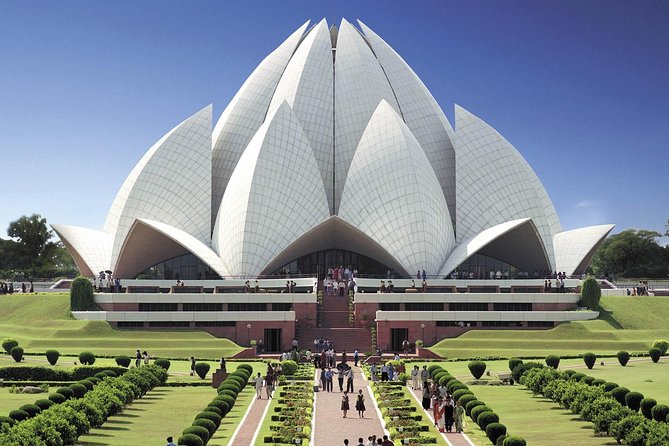
The Lotus Temple offers a change of mood. Its white marble petals form a lotus-shaped place of worship designed for quiet reflection. Admission is free, and the scheduled hour gives you time to appreciate the building without turning it into just another quick photograph.
You then pass through New Delhi’s grand civic center. India Gate is a 42-meter memorial arch honoring Indian soldiers who died in several early twentieth-century conflicts. The nearby Parliament building and Rashtrapati Bhavan, the President’s House, are viewed from outside. The latter was formerly the British Viceroy’s residence and contains 340 rooms, along with 2.5 kilometers of corridors.
These drive-by or short viewing stops give useful context, but they are not full interior visits. If you care deeply about modern Indian political history, you may want more time than this route allows.
Jama Masjid and Chandni Chowk: Delhi’s sharpest contrast
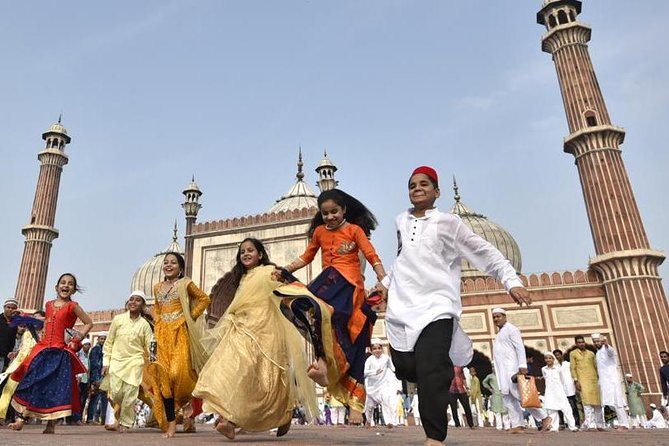
In the afternoon, the tour moves to Jama Masjid, Delhi’s largest mosque. It sits on a raised platform above Old Delhi and can hold 25,000 people. The scale is impressive, but the real value is the shift from formal New Delhi to the close-packed streets around the mosque.
The itinerary allows about an hour. Dress with care here and at other religious sites. Knees and shoulders must be covered for both men and women, and shorts or sleeveless tops can lead to refused entry.
The suggested bicycle rickshaw ride through Chandni Chowk costs about $4 per person and is not included. I consider it a sensible add-on if you want a close look at the old market streets without walking the entire stretch. It is short, only about 30 minutes, but gives you a more immediate feel for Old Delhi than seeing it through a car window.
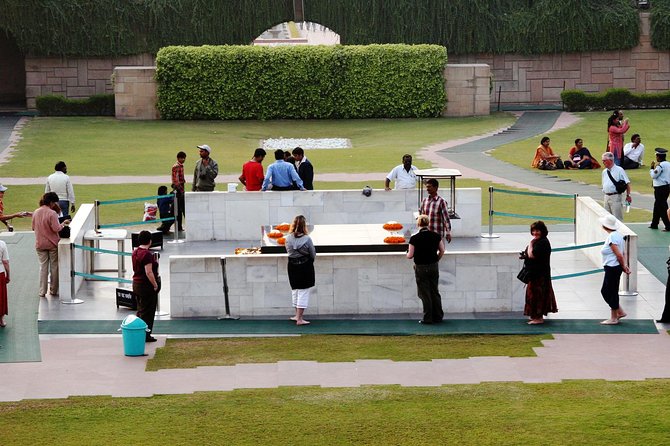
After that comes Raj Ghat, the peaceful memorial marking the spot where Mahatma Gandhi was cremated in 1948. The simple black-marble platform and carefully maintained grounds offer a quiet pause after the noise of Old Delhi.
The final major visit is Swaminarayan Akshardham Temple, closed Mondays. Built in 2005, it is lavishly carved from pale red sandstone using traditional techniques. The two-hour visit gives this enormous temple complex more time than most of the day’s other stops.
Day 1 covers a lot. Eight sightseeing stops, plus the city drives, can feel tiring. The payoff is range: Mughal tombs, a medieval minaret, a modern temple, national monuments, a mosque, a market, and Gandhi’s memorial all appear in one day.
Day 2: The road to Agra and the red walls of Agra Fort
After breakfast, you drive about three hours from Delhi to Agra. The route passes through the countryside, and you check into the pre-booked hotel on arrival. A private vehicle makes this transfer simple, though traffic can change the exact timing.
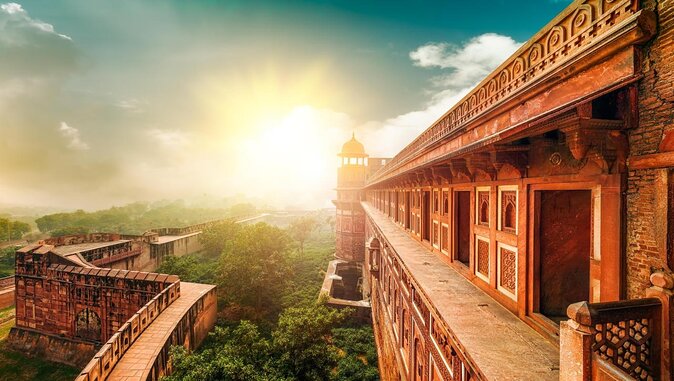
The afternoon visit is Agra Fort, a UNESCO World Heritage site beside the Yamuna River. This was the main residence of Mughal emperors until 1638, and its red sandstone walls enclose palaces, courtyards, audience halls, and views toward the Taj Mahal.
Many people treat Agra Fort as a quick stop before the Taj Mahal. That would be a mistake. The fort explains the power, wealth, and family drama behind the Taj far better than a standalone visit can. You have about an hour here, which is enough for the principal areas with a focused guide, though not for every corner.
In the evening, you visit Mehtab Bagh, the Moonlight Garden, for a view toward the Taj Mahal from across the river. The garden is linked with Shah Jahan’s interest in viewing the monument from a distance. This is a calmer photographic viewpoint than the main Taj entrance and gives you a different sense of the building’s placement beside the Yamuna.
The Mehtab Bagh stop is especially useful if you want more than the standard front-on Taj photograph. It is also a good reason to keep your camera ready, since the light can change quickly near sunset. The visit lasts about an hour and admission is included.
A few more options to weigh up in New Delhi
- Old & New Delhi City Tour – Half or Full Day Options Available
★ 5.0 · 4,811 reviews - Same Day Taj Mahal, Agra Fort & Baby Taj Tour from Delhi by Car
★ 5.0 · 4,304 reviews - Taj Mahal Day Tour from Delhi by Superfast Train – TOP RATED TOUR
★ 5.0 · 4,166 reviews - Full Day Taj Mahal, Agra Fort & Baby Taj Tour from Delhi by Car
★ 5.0 · 3,647 reviews
Day 3: Taj Mahal sunrise and the step wells of Abhaneri
The day starts early with the Taj Mahal at sunrise. The schedule allows about two hours, and admission plus the battery bus or golf-cart ride between the parking area and the monument is included.
The Taj was built by Shah Jahan as a memorial to his wife Mumtaz Mahal, who died giving birth. Its white marble, symmetry, inlaid decoration, and changing light make the early visit worthwhile even for people who have seen hundreds of photographs.
Sunrise timing brings two practical points. First, weather can affect the visit. Second, you need to be ready for an early start, even though the official pickup on Day 1 is not until 9am. Comfortable walking shoes will help, and modest clothing is required at religious sites and selected museums.
The tour then heads toward Jaipur, stopping at Chand Baori in Abhaneri. This is one of Rajasthan’s most striking step wells, built as a huge geometric staircase descending toward the water. The pattern of steps is the attraction, but the site also shows how architecture once served a practical need in a dry region.
You get about an hour here, including the nearby Harshat Mata Temple. Chand Baori is a smart addition because it breaks up the famous-monument routine. It also makes the long road to Jaipur feel like part of the sightseeing rather than dead time.
After continuing to the Pink City, you check into the Jaipur hotel. The transfer and hotel check-in take about two hours in the stated schedule, but road conditions can affect this. The evening is otherwise open, which is welcome after the early Taj Mahal and the drive from Agra.
Day 4: Amber Fort, Jaipur’s palaces, and the long return
After breakfast, you check out and visit Amber Fort, also called Amber Palace. The honey-colored complex rises from a rocky hill and combines Rajput design with later Mughal influence. Its courtyards, gateways, halls, and elevated setting make it the most substantial Jaipur stop.
Two hours is a useful amount of time here. You will have room to see the main courtyards and hear the story of the ruling family without racing from one room to the next.
For groups of five or more, a jeep ride at Amber costs about $3 per person and is not included. The tour data specifically notes this extra charge. Ask about the current arrangement when you book, since the optional transport can affect how you reach the fort.
The next stops are short. Jal Mahal, the Water Palace, receives about 15 minutes for photographs. Set in Man Sagar Lake, it is a dreamlike building viewed from the shore, not a full palace visit.
Hawa Mahal, or Palace of Winds, also receives about 15 minutes. Its five-storey pink facade is pierced by a honeycomb of small openings. The brief stop is enough for the famous street-side photograph, but not for an extended look inside.
At Jaipur City Palace, you get about an hour. The complex remains the residence of the royal family and includes courtyards, gardens, and buildings from several periods. Its blend of older palace structures and early twentieth-century additions helps explain Jaipur’s royal identity better than a single facade can.
The final Jaipur sight is Jantar Mantar, a UNESCO World Heritage observatory. Its large geometric instruments were built to track the movement of stars and planets. The shapes look abstract until a guide explains how they work, so this is one stop where a good explanation adds real value.
Afterward, the drive back to Delhi, Gurugram, Noida, or an airport or hotel takes about five hours. This is the tour’s biggest endurance test. You can finish the route in Delhi, but you should avoid scheduling an important evening flight without allowing extra time for traffic.
What the private car and guides add
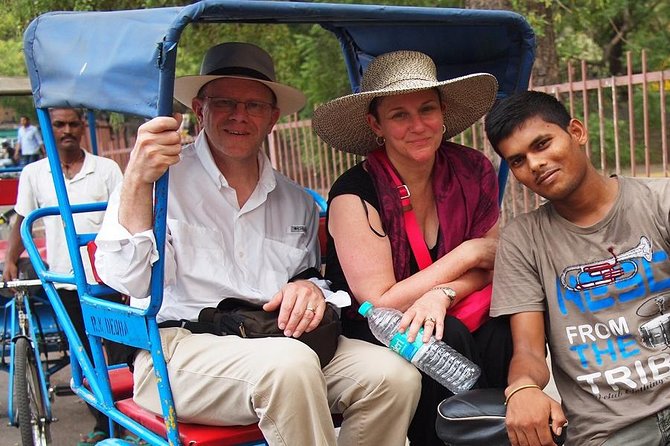
The private vehicle is not a minor perk on this route. Delhi to Agra takes about three hours, Jaipur to Delhi takes about five, and there are additional drives between the monuments and hotels. Having the same driver manage luggage, pickups, and city transfers removes a layer of daily stress.
The local guide arrangement is also useful. Delhi, Agra, and Jaipur each have different architectural traditions and historical figures. A Delhi guide such as Sinul, an Agra guide such as Mahesh, and a Jaipur guide such as Ashok can focus on the character of each city rather than giving you one general lecture for the whole trip.
The service has also been praised for adjusting arrangements, including changing the starting location from Delhi when needed. You should confirm your exact pickup and drop-off points after booking, since the tour can end at a different location from the starting point.
Price, hotels, and what you really receive
The listed price is $328 per person, though the final amount depends on the option you choose. With the hotel-included option, you receive three nights of twin-sharing accommodation and three breakfasts. Transportation, local guides, listed entrance fees, bottled water, and the Taj Mahal parking transfer are included.
That package offers good value for a first visit because entrance fees and private transport can otherwise add up quickly. You are also paying for convenience, especially during the Agra and Jaipur transfers.
The price does not cover all meals, drinks, the Chandni Chowk bicycle rickshaw, or the Amber jeep ride for larger groups. A mandatory Christmas and New Year’s Eve gala dinner at the hotel may also cost extra. If you already have hotels booked, an option without accommodation is available, as one party used successfully.
Group discounts may be offered, and the activity is private, so only your own party participates. That makes the price easier to justify for families or friends sharing the vehicle.
Small details that will make the four days easier
Carry a current passport, which is required on the day of the tour. Wear comfortable walking shoes, and pack clothing that covers your shoulders and knees for places of worship and selected museums.
Keep water with you, though unlimited bottled water is provided. Tell the operator about dietary requirements when booking, and confirm your desired pickup and drop-off locations after you receive the confirmation.
The tour may use a multilingual guide. Most people can take part, but the days involve walking, early starts, and long periods in the car. The four-day schedule works best if you accept that it is a highlights tour, not a leisurely stay.
Free cancellation is available up to 24 hours before the start time. Within 24 hours, the amount paid is not refunded, and late changes are not accepted.
Should you book this Golden Triangle tour?
I would choose this tour if you have four days, want the major sights, and prefer a private driver over arranging Indian transport yourself. It is particularly suited to first-time visitors, couples, families, and small groups who value help with entry tickets, local guides, hotels, and city transfers.
I would hesitate if you want long, unhurried visits or several free evenings. Delhi’s first day is full, Jaipur’s last day ends with a five-hour drive, and the two 15-minute Jaipur photo stops are brief by design.
For the best experience, book the hotel-included option if you want the simplest arrangement, or select the no-hotel version if your rooms are already set. Add the Chandni Chowk rickshaw if Old Delhi interests you, and plan extra time around the final drive to Delhi. If your goal is to see the Taj Mahal, Agra Fort, Amber Fort, Jaipur’s palaces, and Delhi’s essential monuments in one compact trip, this is a strong and fairly priced way to do it.
FAQ
Is this a private tour?
Yes. Only your own group participates, with private transportation and local guides for the sightseeing stops.
How long does the tour last?
The tour lasts approximately four days and includes three overnight stays when booked with the hotel option.
Is hotel accommodation included?
The hotel-included option provides three nights of twin-sharing accommodation with breakfast. A version without hotels is also available.
Is breakfast included?
Yes. The hotel-included package includes three breakfasts.
Is the Taj Mahal visit at sunrise?
Yes. The Taj Mahal is scheduled for a sunrise visit on Day 3. The visit depends on weather conditions.
What is included in the price?
Included items are private air-conditioned transportation, local private guides, entrance fees for the listed sights, bottled water, three breakfasts with the hotel option, hotel accommodation with that option, and the battery bus or golf-cart transfer from the Taj Mahal parking area.
What costs extra?
The Chandni Chowk bicycle rickshaw costs about $4 per person. For groups of five or more, the Amber Palace jeep ride costs about $3 per person. Meals and drinks are not included, and a hotel gala dinner may cost extra on Christmas and New Year’s Eve.
Can the tour pick me up or drop me off somewhere other than Delhi?
The tour can end in Delhi, Gurugram, Noida, at an airport, or at another desired location in India. You should contact the operator after booking to confirm your exact pickup and drop-off points.
Just added in New Delhi
- Five Days Golden Triangle Tour with Ranthambore Delhi Agra Jaipur★ 5.0 · 11 reviews
- 5 Days Golden Triangle Tour with Ranthambore India★ 5.0 · 10 reviews
- 5 Days Golden Triangle Tour with Ranthambore Delhi Agra Jaipur★ 5.0 · 11 reviews
- 5-Day Private Luxury Golden Triangle Tour From Delhi★ 5.0 · 45 reviews
- Delhi, Agra, Jaipur & Ranthambhore Tiger Safari 5-Day Tour★ 5.0 · 47 reviews
- Private 5 Days Golden Triangle Tour – Visit Delhi Agra and Jaipur★ 5.0 · 26 reviews
- 5-Day Private Delhi, Agra and Jaipur with Ranthambhore Tiger Tour From Delhi★ 5.0 · 44 reviews
- 5-Day Private Golden Triangle Tour: Delhi, Agra, and Jaipur★ 5.0 · 62 reviews
Golden Triangle Tours, compared.
3-Days Private Golden Triangle Tour: Delhi, Agra & Jaipur by Car
Read our review →3-Days Private Golden Triangle Tour: Delhi, Agra & Jaipur by Car
Read our review →
3-Day Delhi, Agra and Jaipur Private Tour – India Golden Triangle
Read our review →
Four-Day Private Luxury Golden Triangle Tour to Agra and Jaipur From New Delhi
Read our review →
5 Nights 6 Days Private Golden Triangle Tour – Delhi Agra Jaipur
Read our review →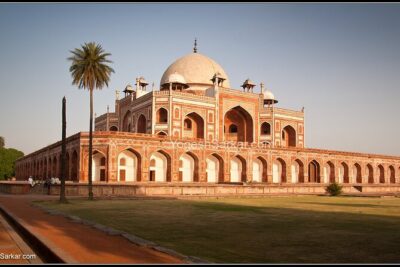
Private Car and Drive for Golden Triangle (4N/5D)
Read our review →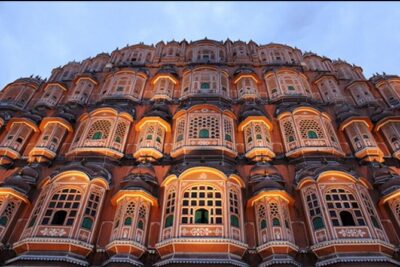
Private Golden Triangle Tour Delhi Agra Jaipur ( Top Rated )
Read our review →Browse the lists this tour appears in