
Reviewed · GOLDEN TRIANGLE TOURS
10 Days Private Golden Triangle Tour with Amritsar and Rishikesh
India rewards a well-planned route. This 10-day private tour connects Delhi, Agra, Jaipur, Amritsar, and Rishikesh in one long north Indian journey, giving you the Taj Mahal, Mughal monuments, Rajput palaces, Sikh culture, and the Ganges without having to arrange every transfer yourself. I like the mix of famous sights and meaningful places, especially the Golden Temple and Rishikesh, which add more depth than a standard Delhi, Agra, and Jaipur circuit.
I also like the private car, local guides in each city, hotel pickup, daily breakfast, and flexible attention from the driver. The main drawback is the amount of time spent on the road. The journeys to Amritsar and Rishikesh are long, and the itinerary changes city almost every day, so you should be comfortable with a fast-moving trip.
- Sunrise and sunset at the Taj Mahal: You see Agra’s great monument at two different times of day, including a quieter view from across the Yamuna River.
- A full Jaipur sightseeing day: Amber Palace, City Palace, Jantar Mantar, Hawa Mahal, and several smaller sights give you a broad look at the Pink City.
- Private transport for your own group: A sedan, wagon, or minivan is assigned according to group size, with a driver throughout the route.
- Amritsar adds a strong cultural change: The Golden Temple and Wagah Border ceremony offer experiences unlike the Mughal and Rajput monuments.
- Rishikesh provides a calmer final chapter: Bridges over the Ganges, temples, an ashram, and Triveni Ghat bring a spiritual side to the trip.
- The price includes useful basics: At $588.46 per person, the package can offer good value if you choose the hotel-included option and make full use of the guides and private vehicle.
In This Review
- What This 10-Day Route Does Well
- Day 1: Agra Fort, Itmad-ud-Daula, and the Taj Mahal at Sunset
- Day 2: Taj Mahal Sunrise and the Road to Jaipur
- Day 3: Jaipur’s Palaces, Science, and Pink Sandstone
- Day 4: Jaipur Temples and a Return to Delhi
- Day 5: Delhi’s Mughal Monuments and Old City Streets
- Day 6 and Day 7: Amritsar and the Golden Temple
- Day 8 and Day 9: Rishikesh Beside the Ganges
- Day 10: The Five-Hour Drive Back to Delhi
- What the $588.46 Price Really Covers
- Vehicle Sizes, Guides, and Practical Comfort
- Who Should Book This Tour?
- Should You Book It?
- FAQ
- Where does the tour begin?
- How long is the tour?
- Is this a private tour?
- What type of vehicle is used?
- Are hotels included?
- Are meals included?
- Are monument tickets included?
- Is the Taj Mahal battery bus included?
- Can I cancel for a full refund?
What This 10-Day Route Does Well
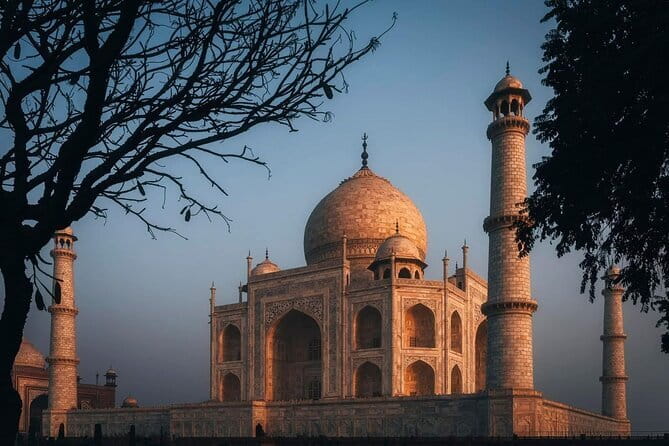
This is not a relaxed resort holiday. It is a broad introduction to northern India, with nine hotel nights and a route that covers a lot of ground. You move from Mughal Agra to royal Jaipur, from the national capital to Sikh Amritsar, then north toward the Himalayan foothills at Rishikesh.
I like this design for a first visit because each city has a clear identity. Delhi gives you imperial and modern India. Agra focuses on Mughal monuments. Jaipur brings palaces, astronomical instruments, and Rajasthan’s pink sandstone. Amritsar changes the religious and regional focus, while Rishikesh ends beside the Ganges.
The private format matters here. You are not tied to a large group’s pace, and you can ask your driver or guide for help with the day’s timing. Past guests gave especially strong praise to the drivers, with Surendra repeatedly described as safe, dependable, and accommodating. Vinod also received warm praise for caring for his group, while Vijay was singled out as a strong guide in Amritsar.
Day 1: Agra Fort, Itmad-ud-Daula, and the Taj Mahal at Sunset
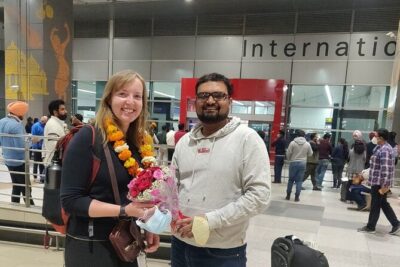
The route begins with pickup in Delhi, either at Indira Gandhi International Airport or another arranged hotel or airport point. After lunch at a local restaurant, you drive to Agra on the expressway.
The day’s schedule needs careful confirmation. The timing lists hotel check-in and free time, but it also places Agra Fort, Itmad-ud-Daula, and a Taj Mahal sunset view on the same day. Since the Delhi to Agra drive already takes part of the day, ask the operator before arrival which sights are planned for the first afternoon and which may shift.
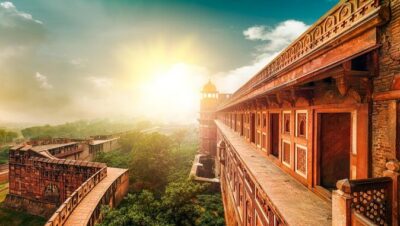
Agra Fort is an essential first stop. Built and expanded under Mughal rulers including Akbar and Shah Jahan, it is more than a red sandstone wall. Inside, you find palaces, courtyards, audience halls, and views toward the Taj Mahal. A private local guide can help explain how the fort changed as Mughal power moved from military strength toward courtly life.
Itmad-ud-Daula is smaller and more delicate. Often called the Baby Taj, this mausoleum uses fine inlay work and pale stone in a way that feels different from Agra Fort’s heavy red sandstone. I like including it because it gives you a closer look at Mughal decoration before the full drama of the Taj Mahal.
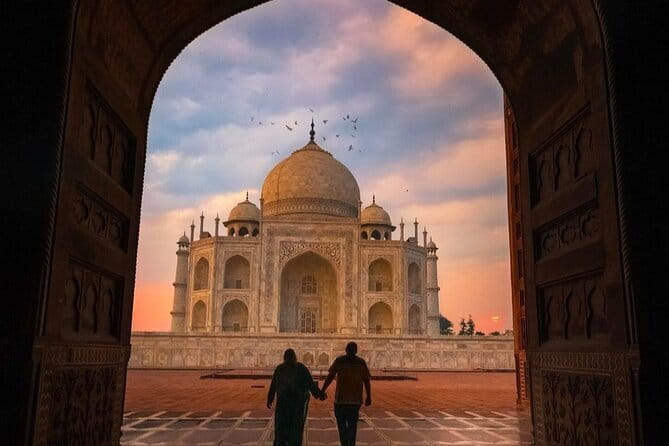
The sunset stop uses Mehtab Bagh, a garden across the Yamuna River. You do not enter the Taj Mahal from this side, but you get a broad view away from the main entrance crowds. The visit is listed at about 30 minutes for the garden, with roughly two hours allowed for the sunset viewpoint and Taj area. Monument admission is extra.
More Golden Triangle Tours in New Delhi:
- 3-Days Private Golden Triangle Tour: Delhi, Agra & Jaipur by Car
★ 5.0 · 1,107 reviews - 3-Days Private Golden Triangle Tour: Delhi, Agra & Jaipur by Car
★ 5.0 · 1,098 reviews - 3-Day Delhi, Agra and Jaipur Private Tour – India Golden Triangle
★ 5.0 · 812 reviews
Day 2: Taj Mahal Sunrise and the Road to Jaipur
A sunrise visit to the Taj Mahal is one of the strongest parts of the schedule. The early hour changes the feel of the visit, with softer light on the white marble and cooler temperatures than later in the day. You have about two hours at the monument, and the package includes the battery bus ride between the parking area and the Taj entrance.
Entry, camera fees, and other monument charges are not included, so budget for those separately. The tour also does not cover any optional activity you may add on the way.
After Agra, the route continues to Fatehpur Sikri. Emperor Akbar built this planned city in the late 16th century, and it served as the Mughal capital for about a decade. The red sandstone buildings form a compact historic complex, including courtyards and grand gateways. The one-hour visit is worthwhile, though you will want your guide to keep the explanation focused because the day includes more driving.
Chand Baori at Abhaneri is a different kind of architectural sight. This enormous stepwell drops about 30 meters below ground in a precise pattern of stairs. You spend about 30 minutes there. It is a quick stop, but a memorable one, especially if you enjoy practical architecture rather than only palaces and tombs.
You reach Jaipur later in the day and check into your hotel. The schedule allows about five hours for the transfer and arrival period, so this is mainly a travel and settling-in day.
Day 3: Jaipur’s Palaces, Science, and Pink Sandstone
Jaipur receives the fullest sightseeing program, and rightly so. Start at Panna Meena ka Kund, a stepwell near Amber Palace. The visit is brief, only about 15 minutes, but it sets up the day’s focus on local design and water management.
Amber Palace gets two hours, enough for a guided walk through its courtyards, halls, and royal rooms. It was the capital of Rajasthan until 1728 and was built by Raja Man Singh I. The palace combines defensive walls with decorative interiors, so you get both the practical and ceremonial sides of Rajput rule.
Jal Mahal is a short photo stop beside Man Sagar Lake. The palace appears to float on the water, though the visit is viewed from the shore. At 15 minutes, it is not an interior tour. Treat it as a scenic pause between major monuments.
Back in the city, the City Palace takes about an hour. It was built in 1721 as the administrative and ceremonial seat of Jaipur’s maharaja. Its courtyards and royal buildings help explain how Jaipur functioned as a planned princely capital.
Jantar Mantar is one of Jaipur’s most unusual sights. This UNESCO-listed collection of 19 large astronomical instruments was built in 1734 by Sawai Jai Singh II. The structures are made for measuring time and tracking the sky, and they make much more sense with a guide who can explain what each instrument was designed to do.
Hawa Mahal is mainly a viewing and photo stop from the outside, with about 30 minutes allowed. Its honeycomb-like facade and small windows were designed for royal women to observe street life without being seen. Albert Hall Museum receives only 15 minutes, so consider it an exterior stop unless your guide confirms otherwise.
Day 4: Jaipur Temples and a Return to Delhi
The morning begins at Birla Mandir, a white marble temple dedicated to Lord Vishnu. The visit lasts about 30 minutes and offers a quieter contrast to Jaipur’s major palaces.
Galtaji Temple, also called the Monkey Temple, is another 30-minute stop. The complex includes three sacred pools and temples set among the surrounding hills. Dress respectfully and follow your guide’s advice around the religious areas and monkeys.
The afternoon drive returns you to New Delhi, with about five hours listed for the journey and hotel check-in. This is a long transfer after several active sightseeing days, so keep the evening free rather than planning another major attraction.
A few more options to weigh up in New Delhi
- Old & New Delhi City Tour – Half or Full Day Options Available
★ 5.0 · 4,811 reviews - Same Day Taj Mahal, Agra Fort & Baby Taj Tour from Delhi by Car
★ 5.0 · 4,304 reviews - Taj Mahal Day Tour from Delhi by Superfast Train – TOP RATED TOUR
★ 5.0 · 4,166 reviews - Full Day Taj Mahal, Agra Fort & Baby Taj Tour from Delhi by Car
★ 5.0 · 3,647 reviews
Day 5: Delhi’s Mughal Monuments and Old City Streets
Delhi’s sightseeing day covers a wide spread of the city. Qutub Minar is a 73-meter UNESCO-listed tower linked to the early Delhi Sultanate. The visit takes about an hour, and its carved stone surfaces reward a slower look than a quick photograph.
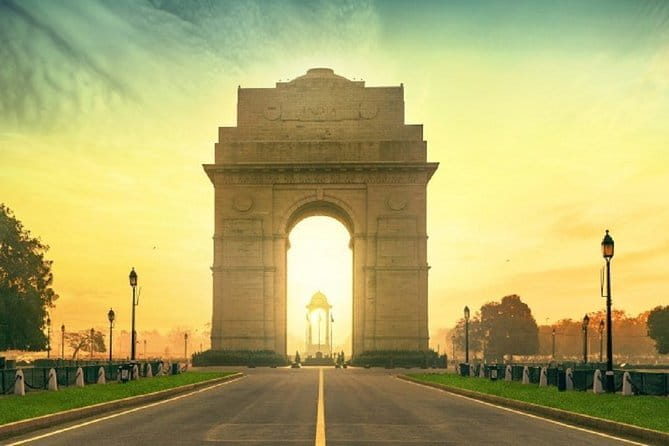
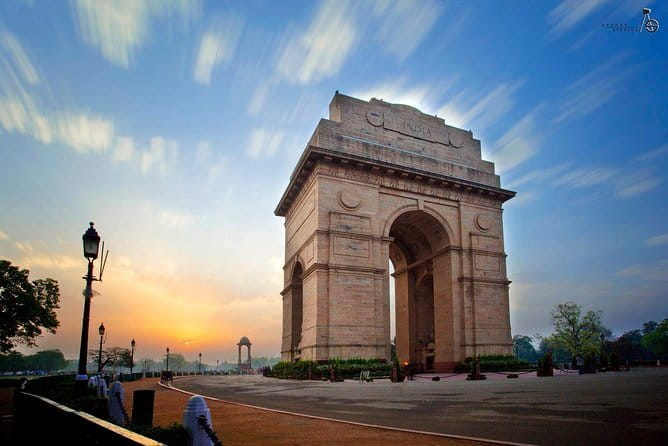
The Lotus Temple, with its flower-like form, is a modern architectural stop. Built in 1986, it welcomes people of all religions. India Gate and the Parliament House area are viewed from outside, with time for photographs rather than interior visits.
Jama Masjid brings you back to the Mughal period. Built by Shah Jahan between 1650 and 1656, it remains one of India’s largest mosques. Dress modestly and listen to your guide about the entry arrangements, since rules and small charges can vary.
Agrasen Ki Baoli is a compact but striking stepwell in central Delhi. The protected monument is about 60 meters long and 15 meters wide. It is a short 15-minute stop, but its steep rows of steps create a completely different atmosphere from Delhi’s broad avenues.
Humayun’s Tomb deserves its full hour. Commissioned by Empress Bega Begum in 1558, it is an important Mughal tomb and a clear influence on later imperial architecture. The red stone and white details make it one of Delhi’s most rewarding major monuments.
Finish in Chandni Chowk, Old Delhi’s dense market district. The hour here is for atmosphere, shopping, and street life, with spice, dried fruit, silver jewelry, saris, and narrow side streets. Keep personal belongings secure and stay close to your guide in the crowded lanes.
Day 6 and Day 7: Amritsar and the Golden Temple
Day 6 is primarily a transfer to Amritsar, listed at about eight hours. You check into the hotel on arrival and have the evening free. This is one of the route’s hardest travel days, but it also moves you into a very different part of northern India.
The Golden Temple receives about three hours on Day 7. Sri Harimandir Sahib is the central Sikh religious site and a place built around equality and welcome. The visit is not just about the gold-covered shrine. The surrounding pool, walkways, prayer, and shared religious space make this one of the tour’s most meaningful stops.
Plan to follow temple dress and conduct requirements. Your local guide can help you understand what to do and where to go, which is especially useful at an active place of worship.
In the afternoon, you drive to Wagah Border for the flag-lowering ceremony. The schedule says to arrive around 3 p.m. for the 5 p.m. event, allowing time to prepare for the large public ceremony. Admission is not included. The ceremony is theatrical and patriotic, so it feels very different from the quiet focus of the Golden Temple.
Day 8 and Day 9: Rishikesh Beside the Ganges
The journey from Amritsar to Rishikesh is listed at about nine hours. This is a serious road day, not a casual transfer. If long drives are tiring for you, consider asking in advance about rest stops and the exact departure time.
On Day 9, Rishikesh sightseeing begins with Ram Jhula, an iron suspension bridge across the Ganges. The crossing takes about 30 minutes, though conditions on the bridge can affect how quickly you move.
Parmarth Niketan Ashram sits along the river and has operated since 1942. The visit is about 30 minutes, giving you a short introduction to the ashram setting rather than a full retreat program.
Triveni Ghat is the largest and best-known ghat in Rishikesh. Devotees come for ritual bathing, and the riverfront gives the day a more religious tone. You also visit Lakshman Jhula, another suspension bridge connecting areas on opposite banks of the Ganges. Each bridge stop is listed at about 30 minutes.
The Rishikesh portion is short, but it changes the pace and subject of the tour. You are not booking a yoga course or an extended ashram stay. You are getting a brief look at temples, bridges, and river worship before returning to Delhi.
Day 10: The Five-Hour Drive Back to Delhi
The final day is a drive of about five hours to New Delhi. The tour ends with Delhi drop-off, making the route practical if you have a flight or another hotel stay there, though you should allow plenty of extra time before an international departure.
The package includes hotel or airport pickup and drop-off, but confirm the final drop-off time before booking a same-day flight. Road conditions can change the journey length.
What the $588.46 Price Really Covers
At $588.46 per person, the value depends heavily on the option you select. The hotel-included version covers nine nights, daily breakfast, a private air-conditioned vehicle, private local guides, bottled mineral water during journeys, Taj Mahal battery transport, and airport or hotel transfers.
That is a strong bundle for a private 10-day route. You are paying for the driver, intercity transport, accommodation, and guide coordination, not just monument visits. The private format is especially useful when the schedule includes five-hour, eight-hour, and nine-hour road transfers.
The price does not include monument admission, camera or video fees, flights, insurance, tips, laundry, personal spending, or optional activities. Set aside money for entry fees and tipping, and check the hotel category before comparing this tour with a cheaper shared package.
Rooms normally use twin sharing. A booking of three people uses triple sharing by default. If you want two rooms for three people, an extra charge applies.
Vehicle Sizes, Guides, and Practical Comfort
Groups of one or two use a four-seat sedan. Groups of three or four use a six-seat wagon, while groups of five to ten use a 10-seat minivan. Only your own party takes part, which gives you more control than a standard coach tour.
Driver quality can make or break a route like this. Surendra receives the strongest repeated praise for safe and relaxed driving, while Vinod is also highlighted for attentive care. Gopal is associated with organizing the trip and helping shape the route, and Vijay is praised for guiding in Amritsar.
Guides are provided for sightseeing in each city. Ask them to explain the monuments rather than simply lead you from gate to gate. The best value comes when you use the private setup to ask questions, adjust the pace, and request a short pause during long transfers.
Cancellation is flexible up to 24 hours before the local start time for a full refund. Inside 24 hours, refunds and changes are not accepted.
Who Should Book This Tour?
I would choose this tour if you are visiting northern India for the first time and want the major sights arranged in one package. It suits couples, families, and small groups who value a private vehicle and do not want to manage several hotel bookings, road transfers, and local guides alone.
It is also a good fit if you want more than the usual Golden Triangle. Amritsar adds Sikh heritage and the India-Pakistan border ceremony, while Rishikesh adds riverfront temples and a spiritual setting.
I would hesitate if you prefer slow travel, long stays in each city, or independent train travel. The route changes often, and the drives on Days 6, 8, and 10 require patience. Jaipur and Delhi also contain enough sights for additional days, but this plan gives you a broad first look instead of a leisurely one.
Should You Book It?
Book it if you want a private, guided introduction to northern India with hotels and road transport handled for you. The best reasons are the range of places, the sunrise Taj Mahal visit, the strong driver feedback, and the unusual combination of Amritsar and Rishikesh.
Before paying, confirm three things: exactly which hotel category is included, how the first Agra afternoon is arranged, and the likely departure times for the long drives. If those details suit your group, $588.46 per person offers a practical way to see five major destinations without building the route yourself.
FAQ
Where does the tour begin?
The tour begins at Indira Gandhi International Airport in New Delhi. Hotel pickup is also offered.
How long is the tour?
The tour lasts approximately 10 days and includes nine nights of accommodation when the hotel-included option is selected.
Is this a private tour?
Yes. Only your own group participates in the activity.
What type of vehicle is used?
One or two people travel in a four-seat sedan. Groups of three or four use a six-seat wagon, and groups of five to ten use a 10-seat minivan.
Are hotels included?
Nine nights of accommodation are included if you book the option that includes hotels. Rooms are generally arranged on a twin-sharing basis.
Are meals included?
Daily hotel breakfast is included when the hotel option is selected. The tour also includes breakfast nine times. Lunch and dinner are not listed as included.
Are monument tickets included?
No. Monument entry, camera fees, still photography fees, and video charges are not included.
Is the Taj Mahal battery bus included?
Yes. The battery bus ride to and from the Taj Mahal parking area is included.
Can I cancel for a full refund?
You can cancel at least 24 hours before the experience start time for a full refund. Cancellations or changes made within 24 hours are not accepted and are not refunded.
Just added in New Delhi
- Five Days Golden Triangle Tour with Ranthambore Delhi Agra Jaipur★ 5.0 · 11 reviews
- 5 Days Golden Triangle Tour with Ranthambore India★ 5.0 · 10 reviews
- 5 Days Golden Triangle Tour with Ranthambore Delhi Agra Jaipur★ 5.0 · 11 reviews
- 5-Day Private Luxury Golden Triangle Tour From Delhi★ 5.0 · 45 reviews
- Delhi, Agra, Jaipur & Ranthambhore Tiger Safari 5-Day Tour★ 5.0 · 47 reviews
- Private 5 Days Golden Triangle Tour – Visit Delhi Agra and Jaipur★ 5.0 · 26 reviews
- 5-Day Private Delhi, Agra and Jaipur with Ranthambhore Tiger Tour From Delhi★ 5.0 · 44 reviews
- 5-Day Private Golden Triangle Tour: Delhi, Agra, and Jaipur★ 5.0 · 62 reviews
Golden Triangle Tours, compared.
3-Days Private Golden Triangle Tour: Delhi, Agra & Jaipur by Car
Read our review →3-Days Private Golden Triangle Tour: Delhi, Agra & Jaipur by Car
Read our review →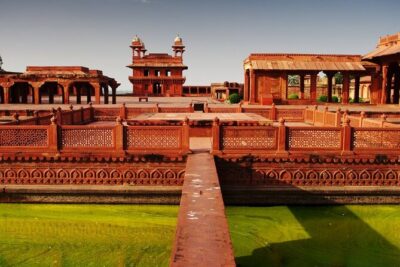
3-Day Delhi, Agra and Jaipur Private Tour – India Golden Triangle
Read our review →
Four-Day Private Luxury Golden Triangle Tour to Agra and Jaipur From New Delhi
Read our review →
5 Nights 6 Days Private Golden Triangle Tour – Delhi Agra Jaipur
Read our review →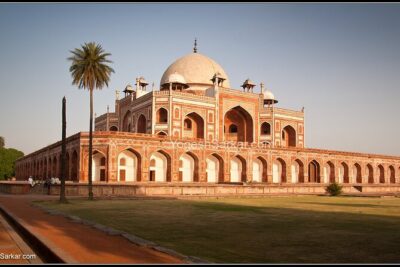
Private Car and Drive for Golden Triangle (4N/5D)
Read our review →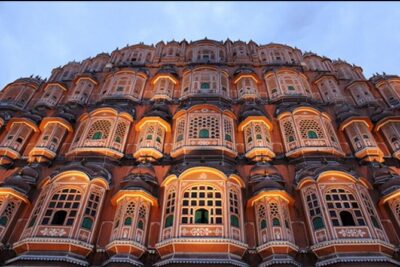
Private Golden Triangle Tour Delhi Agra Jaipur ( Top Rated )
Read our review →Browse the lists this tour appears in