
Reviewed · MARKETS AND BAZAARS
Mumbai Market Tour
Mumbai’s markets tell the real story. This $23 South Mumbai tour brings you through colonial buildings, temples, mosques, narrow lanes, and stalls loaded with spices, flowers, clothing, jewelry, and food. It is less about ticking off famous sights and more about seeing how the city buys, sells, worships, and works.
I like the mix of markets and religious sites, especially Crawford Market, Mangaldas Market, Jama Masjid, Mumba Devi Temple, and Madhav Baugh. I also like that an English-speaking guide can help you bargain and explain what you are seeing instead of leaving you to push through the crowds alone.
The main caution is important: the experience may lean toward shopping. One unhappy participant encountered stops at pashmina, spice, and women’s clothing shops, with little cultural explanation at the temples. If you want a tightly planned history walk with no sales pressure, ask questions before booking.
In This Review
- Key points to know before you book
- Why South Mumbai’s markets are worth your time
- Crawford Market: fruit, spices, and everyday shopping
- Mangaldas Market: a closer look at Mumbai textiles
- The spice market and flower market bring different energy
- Jewelry Market: browse carefully and buy slowly
- Jama Masjid, Mumba Devi Temple, and Madhav Baugh
- What the guides add to the experience
- Is $23 a fair price?
- Who will enjoy this Mumbai market walk?
- Should you book the Mumbai Market Tour?
- FAQ
- Where does the Mumbai Market Tour take place?
- How much does the Mumbai Market Tour cost?
- What language is the tour offered in?
- Which markets are included?
- Which cultural and religious sites are included?
- What can you find at Crawford Market?
- Can I reserve now and pay later?
- What is the cancellation policy?
Key points to know before you book
- Crawford Market combines food and shopping: Look for exotic fruit, spices, scented candles, cake molds, party items, and accessories.
- Mangaldas Market is the textile stop: Fabrics and clothing take center stage, so allow time if you enjoy comparing colors, materials, and prices.
- The flower market adds color and movement: Marigolds, roses, lilies, orchids, and other blooms bring a very different mood to the route.
- Religious landmarks are part of the walk: Jama Masjid, Mumba Devi Temple, and Madhav Baugh add cultural context beyond shopping.
- Guides can shape the whole experience: Kieran received praise for explaining local life, while Dinesh was appreciated for a relaxed pace and strong market knowledge.
- Ask about shop stops: Some people found the buying opportunities useful, while one participant felt the tour became a shopping trip.
Why South Mumbai’s markets are worth your time
South Mumbai is often presented through grand buildings and waterfront sights. Those landmarks matter, but the markets show you the city at street level. Here, a colonial facade may sit beside a temple, a mosque, a flower stall, or a cart selling spicy snacks.
That contrast is the heart of this experience. You are not simply looking at old buildings from the outside. You are seeing them used as part of an active neighborhood, with vendors calling out prices and shoppers moving between narrow lanes and wider streets.
I would choose this tour if you want a first look at daily commerce in Mumbai. It gives you several different market settings in one outing, from food and flowers to textiles and jewelry. You also get a chance to ask about local customs and learn how bargaining works.
The pace seems to be one of the stronger points. Dinesh was praised for keeping the walk relaxed, while other participants appreciated guides who adjusted the route toward the things that interested them. That matters in a market. A rushed group can turn every stop into a blur of signs, voices, and goods.
The route may be noisy and crowded, but that is not a flaw in itself. It is the point of coming here. Still, you should be comfortable walking through busy streets and narrow alleyways, and you should expect an urban setting rather than a quiet, polished attraction.
More Markets and Bazaars in Mumbai
- Mumbai: Street Food and Night Markets Tour
★ 4.9 · 719 reviews - Mumbai Street Food & Night Markets
★ 5.0 · 225 reviews - Mumbai Street Food and Evening Bazaar Tour
★ 5.0 · 172 reviews
Crawford Market: fruit, spices, and everyday shopping
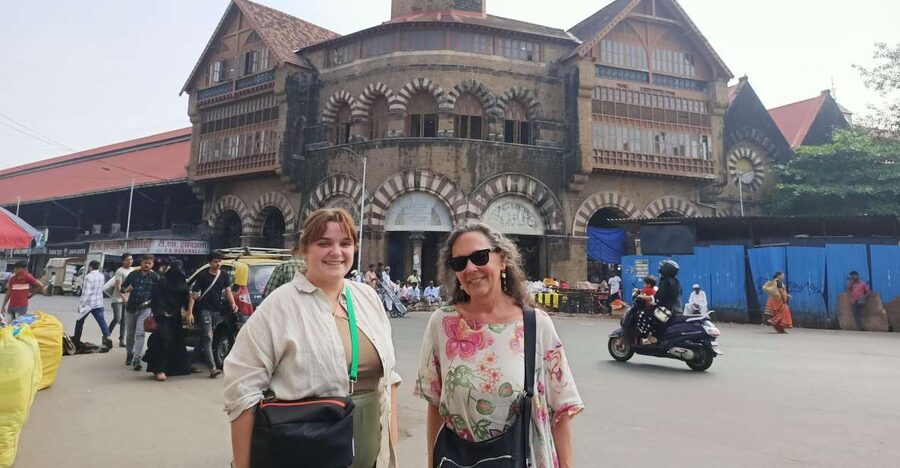
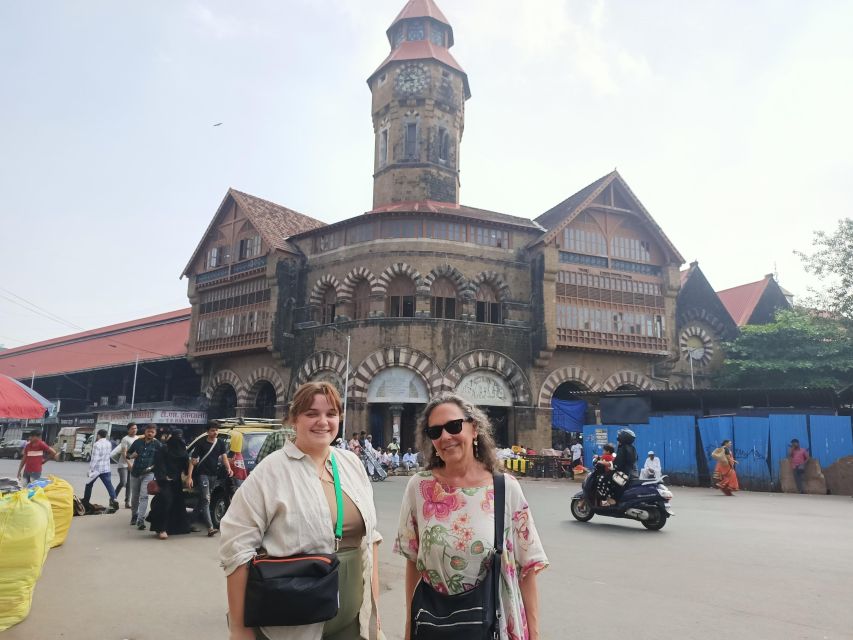
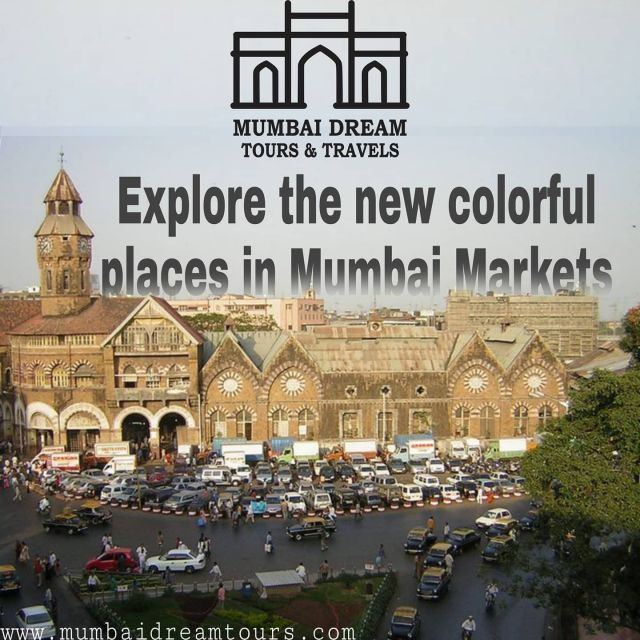
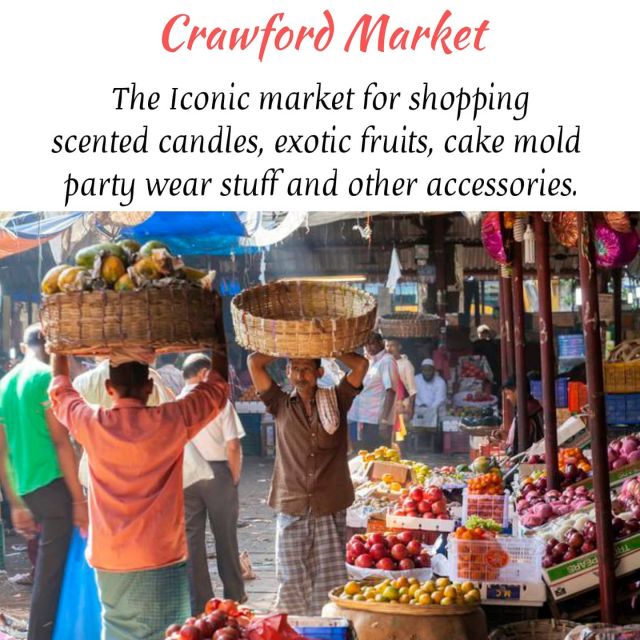
Crawford Market is the main anchor of the tour. It is described as one of Mumbai’s oldest and largest markets, and its range is broad. You might see exotic fruits, fresh produce, spices, scented candles, cake molds, party supplies, clothing accessories, and other household goods.
This variety makes the market useful for understanding how shopping works in Mumbai. It is not simply a souvenir bazaar. The mix of practical goods and decorative items gives the stop a more everyday feel.
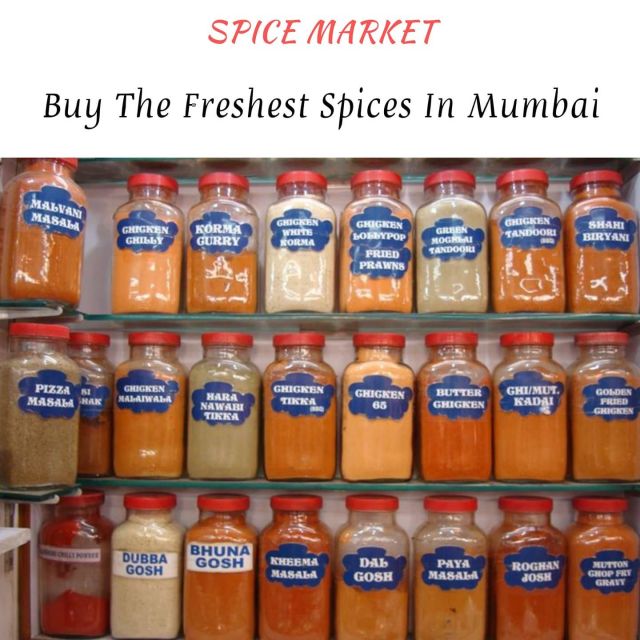
The spice section deserves special attention. Cumin, coriander, turmeric, and cardamom are among the products you may find, with sacks and displays adding strong color and scent to the walk. If you cook, this can be one of the most enjoyable sections because the products are familiar, but the way they are displayed and sold is very different from a supermarket shelf.
You should ask your guide which stalls are intended for browsing and which are recommended for buying. Prices may not always be obvious, and the tour can be a useful place to learn when bargaining is expected. One guide was specifically praised for teaching bargaining techniques, which can save you from making an awkward first purchase.
The drawback is that Crawford Market can become a buying stop rather than a cultural stop if the guide focuses too heavily on products. I would keep your expectations clear. You may have time to shop, but the quality of the explanation will depend greatly on the person leading your group.
Mangaldas Market: a closer look at Mumbai textiles
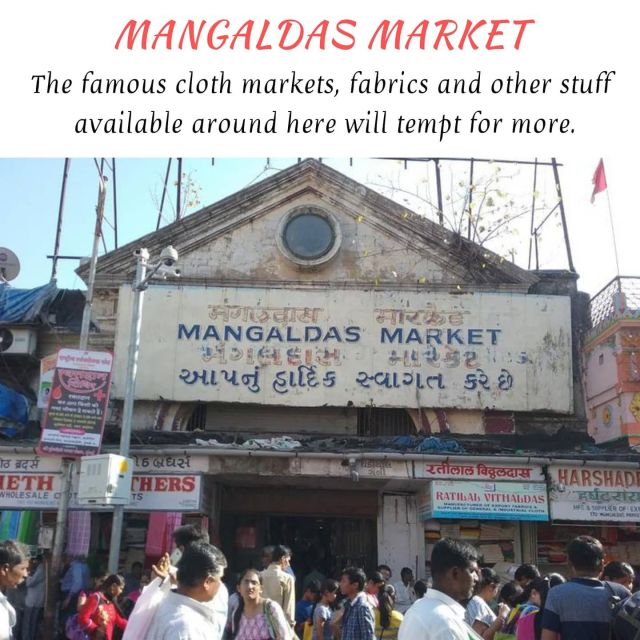
Mangaldas Market is the textile portion of the route. Fabrics, clothing materials, and related goods are the main attraction, and the selection can tempt you to keep looking long after you planned to leave.
This is a good stop if you want Indian cloth, color, pattern, or texture. It also gives you a chance to see how a traditional textile market differs from a general market. Rather than moving quickly from one type of product to another, you can focus on comparing fabrics and considering what you might actually use at home.
Allow time for patience. One participant thanked guide Kieran for being patient in the textile market, which suggests that this stop can involve careful browsing and bargaining. If you already know you want fabric or clothing, tell the guide early. A good guide may be able to point you toward the part of the market that fits your interest.
This is also the stop most likely to feel commercial. One person found the clothing and pashmina shop visits too prominent and felt that the prices were excessive. That does not make the textile market worthless, but it does mean you should not assume every recommended shop offers the best deal.
A simple rule helps: compare before buying, ask the price clearly, and never feel obliged to purchase because the guide brought you somewhere. The tour is more useful when shopping is optional and explanation comes first.
The spice market and flower market bring different energy
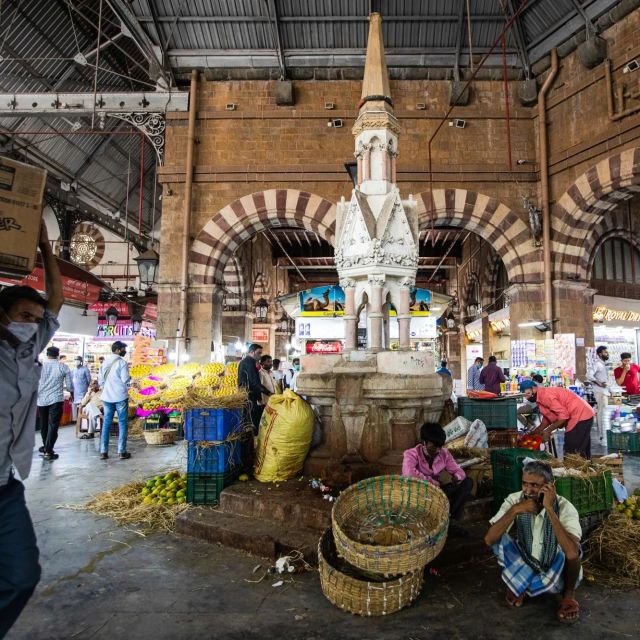
The spice market and flower market show two very different sides of Mumbai’s trading life. Spices are dry, fragrant, and practical. Flowers are perishable, decorative, and often tied to religious use and family celebrations.
The flower market is described as Mumbai’s largest, with marigolds, roses, lilies, orchids, and other blooms. Even if you buy nothing, it should give you a strong visual break from the fabric and jewelry stalls. The colors are obvious, but the real interest lies in watching the buying and selling of goods that must move quickly.
You might find this part of the route more rewarding if you enjoy photography, but remember that the market is an active workplace, not a staged display. Ask before taking close-up pictures, and stay aware of people carrying flowers or moving goods.
The spice market is a better match for curious shoppers and cooks. You can ask about common ingredients, compare aromas, and learn which products are used in local food. The tour description connects the spice market with Crawford Market, so the exact layout or order of these stops may vary. Do not assume each is a separate large market building.
Together, these stops help keep the tour from becoming only a textile-shopping outing. If your guide gives equal attention to the flowers, spices, and people working there, the experience should feel much more balanced.
A completely different kind of day out:
- Dharavi slum tour in Mumbai by Female tour guides of the slum
★ 5.0 · 1,976 reviews - Mumbai: Full-Day Sightseeing Tour of Mumbai
★ 4.9 · 1,822 reviews - Private Mumbai Sightseeing Tour (Traveller’s Choice Award Winner)
★ 5.0 · 1,565 reviews - Elephanta Caves & Island Guided Private Tour
★ 5.0 · 1,327 reviews
Jewelry Market: browse carefully and buy slowly
The jewelry market is described as one of Mumbai’s oldest and busiest, with gold, silver, diamond jewelry, and precious and semi-precious stones. It adds a more specialized form of shopping to the itinerary.
You may enjoy this stop even if you have no plan to buy. Jewelry markets reveal how much commerce depends on trust, comparison, and close inspection. If you are considering a purchase, take your time. Ask about the material, stones, workmanship, and final price before agreeing to anything.
This is one place where a guide can be useful, but you should keep control of the purchase. The presence of a guide does not automatically make a shop the cheapest or best option. Treat the stop as a chance to learn and compare, not as a reason to spend.
The market may be too commercial for someone looking for temples and architecture. If your main interest is religious history, tell your guide early so the shopping sections do not dominate your day.
Jama Masjid, Mumba Devi Temple, and Madhav Baugh
The religious sites give the market walk a wider cultural frame. Jama Masjid, Mumba Devi Temple, and Madhav Baugh are included among the places visited, alongside colonial buildings and market streets.
Their value is not only architectural. They show how places of worship sit within the same urban fabric as shops, carts, and workshops. That mix helps explain why the streets feel so layered. You may pass from a market conversation to a temple entrance or mosque exterior within a short stretch.
The information provided does not give detailed visiting rules, interior access, or the length of time spent at each site. I would therefore treat them as cultural stops within a market walk, not as full guided visits with extended historical lectures.
This distinction matters because one participant expected more temple visits and felt disappointed when the tour focused on shops instead. If religious sites are your main reason for booking, confirm how much time the guide normally gives them.
You should also dress and behave respectfully around places of worship. The tour information does not specify a dress code, so ask your guide what is appropriate on the day. A considerate approach costs nothing and makes the visit easier for everyone.
What the guides add to the experience
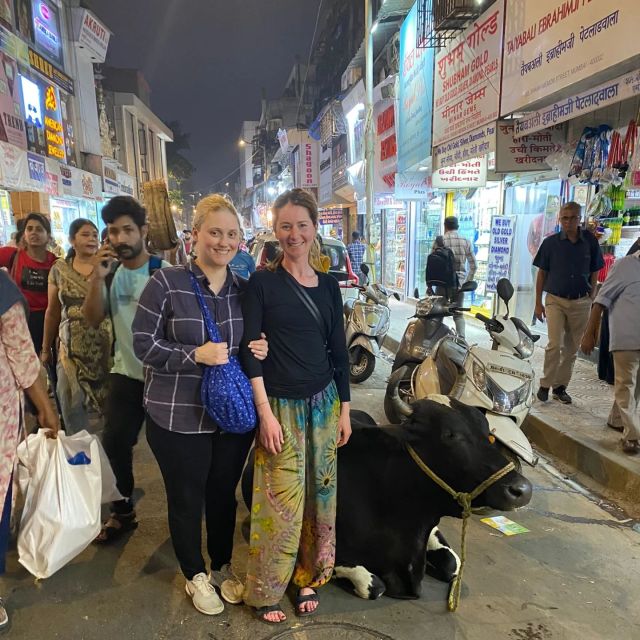
The strongest feedback focuses on the guides. Kieran was praised for explaining market life, culture, and local customs, while Dinesh was appreciated for his relaxed pace and strong command of the markets. Another guide, whose name began with A, was remembered for going beyond the basic route and showing places that matched the group’s interests.
That kind of flexibility is valuable here. Markets do not work like museums, where every stop is fixed and every object has a label. You need someone who can explain what you are looking at, help you judge a price, and keep the walk moving without turning it into a race.
The guide also affects the balance between culture and shopping. A good leader can make a fabric stall a lesson in local commerce. A less suitable route can make the same stop feel like a sales appointment.
I would ask three questions at the start:
- Which stops are for browsing, and which are intended for buying?
- How much time will we spend at the religious sites?
- Can I skip a shop if I am not interested in purchasing?
Those questions are polite and practical. They help set expectations before the tour reaches the first vendor.
Is $23 a fair price?
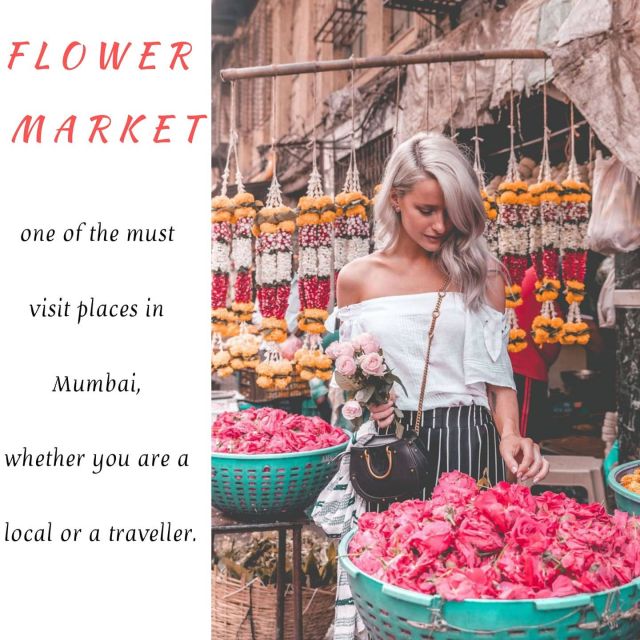
At $23 per person, this is a reasonable price if you want a guided introduction to several markets and cultural sites in South Mumbai. The value comes from the route’s variety and from having someone explain the markets, help with bargaining, and point out places you might miss alone.
It is less good value if you only want shopping assistance. You can browse stalls independently, and the tour price will not guarantee low prices or special access. The fee makes more sense when you use the guide for context, local insight, and help understanding what you are seeing.
The overall rating is 4.6 from 12 ratings, with many high marks for the guides, relaxed pace, useful explanations, and unusual route. The lower experience described a serious concern: three shop-focused stops, high prices, and not enough cultural attention. That mixed picture is worth taking seriously.
The tour is conducted in English. You can reserve now and pay later, and cancellation is allowed up to 24 hours before the experience for a full refund. Those terms make it easier to keep your plans flexible, especially if you are still arranging your Mumbai schedule.
No duration, group size, transportation method, or accessibility information is provided. Ask about these details before booking if they affect your plans. The available information points to a market walk, so wear comfortable footwear and be ready for busy streets, but do not assume a specific length or pickup service.
Who will enjoy this Mumbai market walk?
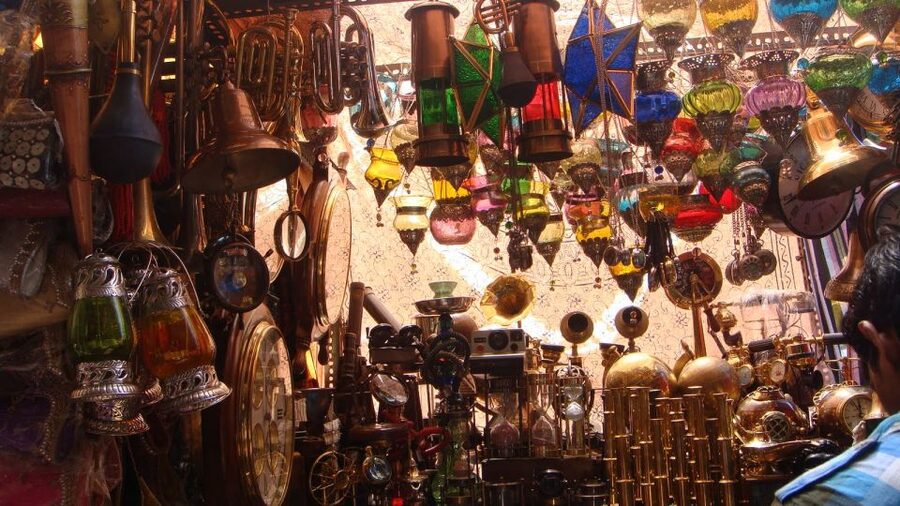
I would recommend it to you if you enjoy street life, shopping, food ingredients, textiles, flowers, and the chance to speak with a local guide. It suits first-time visitors who want a practical introduction to Mumbai’s markets rather than another pass by the city’s major landmarks.
It also suits flexible shoppers. If you are willing to compare prices, bargain politely, and walk away from a purchase, the market sections can be fun and useful.
You may want another experience if you prefer formal history, architecture, or religious tourism with long explanations at every site. The tour includes Jama Masjid, Mumba Devi Temple, and Madhav Baugh, but the market stops are clearly central.
Families and first-time market visitors may appreciate the help of an English-speaking guide, though the crowded streets and shopping focus may not suit everyone. People with a firm list of goods to buy should state their interests early so the guide can make the route more relevant.
Should you book the Mumbai Market Tour?
Book it if you want to see Mumbai through its working markets, learn how to bargain, and mix shopping with temples, mosques, colonial buildings, spices, flowers, and textiles. At $23, the price is sensible when the guide provides real explanation and keeps purchases optional.
Before you commit, ask how much time will be spent in shops and how much at the religious sites. That one conversation can separate a rewarding market walk from a shopping trip you did not expect.
I would choose this tour for its variety and for the chance to meet guides such as Kieran or Dinesh, whose calm, helpful approach received particular praise. I would skip it if you dislike vendor interactions or want a strictly noncommercial history tour.
FAQ
Where does the Mumbai Market Tour take place?
The tour takes place in Maharashtra, India, through the historic markets of South Mumbai.
How much does the Mumbai Market Tour cost?
The listed price is $23 per person.
What language is the tour offered in?
The tour is offered in English.
Which markets are included?
The experience includes Crawford Market, Mangaldas Market, the spice market, the jewelry market, and the flower market.
Which cultural and religious sites are included?
The listed sites are Jama Masjid, Mumba Devi Temple, and Madhav Baugh. Colonial buildings are also part of the route.
What can you find at Crawford Market?
You might find exotic fruits, spices, scented candles, cake molds, party items, clothing accessories, and other goods.
Can I reserve now and pay later?
Yes. You can reserve your place and pay nothing today.
What is the cancellation policy?
You can cancel up to 24 hours in advance for a full refund.
Just added in Mumbai
- Mumbai Airport to Mumbai Hotels : Private Transfers★ 5.0 · 13 reviews
- Mumbai Sightseeing Tour★ 5.0 · 11 reviews
- Mumbai 800 Year Worli Village: Talking Goddess, Old Fort & more★ 5.0 · 94 reviews
- Customize private tour with pickup★ 5.0 · 95 reviews
- Mumbai Spice Markets and Bazaars Tour with Guide and Transport★ 5.0 · 42 reviews
- Gufran’s Slum Home Tour in the Mumbai Slums★ 5.0 · 19 reviews
- Private Guided Bandra Half Day City Tour in AC Vehicle★ 5.0 · 72 reviews
- The Famous Bollywood Tour of Mumbai★ 5.0 · 97 reviews
Markets and Bazaars, compared.

Delhi Food Walk: Rickshaw Ride, Street Eats & Market Tour
Read our review →
Old Delhi Street Food Tour – Explore Spices in Chandni Chowk
Read our review →
Private Heritage Walking Tour in Jaisalmer Fort and Old Bazaar
Read our review →
Old Delhi Food-Spice Market-Temples Tour Soon Featured on NETFLIX
Read our review →
Chandni Chowk Delhi Food Tour with 15+ Tastings
Read our review →
Browse the lists this tour appears in