
Reviewed · MARKETS AND BAZAARS
Mumbai: Magical Markets Tour
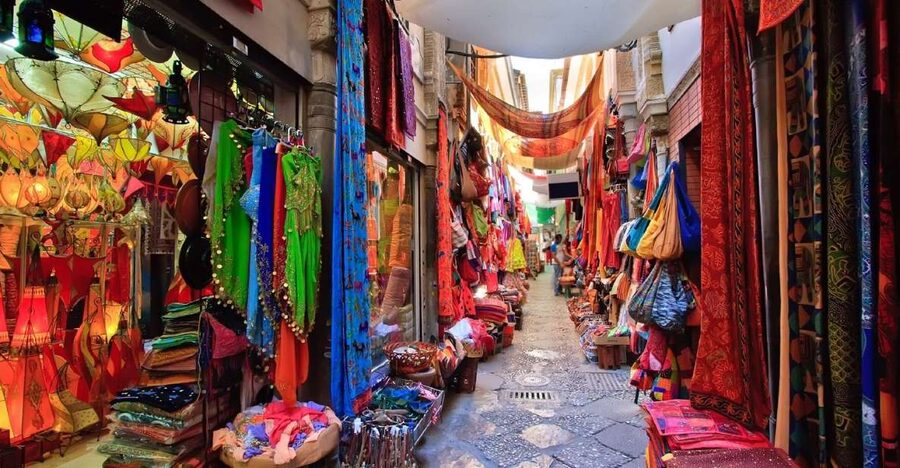
Mumbai’s markets tell the city’s story. This two-hour walk takes you through Bhuleshwar, Zaveri Bazaar, Kalbadevi, Chor Bazaar, Mangaldas Market, and Crawford Market, with temples and narrow lanes along the way. I like the small-group format and the chance to see working markets rather than only famous sights. I also like the masala chai served in a clay cup, a modest detail that gives the walk a local flavor. The main concern is that the route may not always match the advertised order or stops, so you should confirm the plan with your guide at the start.
The walk is led in English or Hindi by a private guide, with Nisar receiving especially warm praise for his friendly manner, city knowledge, care, and willingness to adjust the route. At $18 per person, it offers good value if you want orientation and cultural context in a short time. Still, this is a crowded, sun-exposed market walk with no hotel pickup, no water included, and limited suitability for anyone who cannot comfortably walk for two hours.
In This Review
- Key points at a glance
- Why Mumbai’s market lanes are worth your time
- Starting at Café Coffee Day near Noor Fort
- Shri Swaminarayan Mandir sets the tone
- Bhuleshwar Market brings the city close
- Mumba Devi Temple and the city’s name
- Zaveri Bazaar and Mumbai’s jewelry trade
- Kalbadevi connects the markets by foot
- Chor Bazaar adds antiques and old furniture
- Mangaldas Market and the long life of cloth trading
- Crawford Market finishes with food and architecture
- The masala chai moment
- Guide quality can shape the whole experience
- What $18 really buys you
- Who should book this walk
- Practical advice before you go
- Should you book the Magical Markets Tour?
- FAQ
- How long is the Magical Markets Tour?
- How much does the tour cost?
- Where does the tour begin?
- Where does the tour finish?
- Which languages does the guide speak?
- Is this a private tour?
- Are hotel pickup and drop-off included?
- What should I bring?
- Can I cancel for a full refund?
Key points at a glance
- Start near VT Capital Cinema Building: Meet at Café Coffee Day, an easy reference point in the Noor Fort area of Mumbai.
- Six market districts in two hours: Bhuleshwar, Zaveri Bazaar, Kalbadevi, Chor Bazaar, Mangaldas Market, and Crawford Market each have a different trade and mood.
- Temples are part of the route: Shri Swaminarayan Mandir and Mumba Devi Temple add religious and architectural context to the market walk.
- Nisar earns strong praise: Several bookings specifically highlight his explanations, kindness, safety-conscious approach, and help at the end of the walk.
- Expect walking, not a shopping spree: The tour is designed for local orientation, though the guide may suggest shops and purchases along the way.
- A few practical limits matter: Bring sun protection, comfortable shoes, and cash. Leave large bags and luggage behind.
Why Mumbai’s market lanes are worth your time
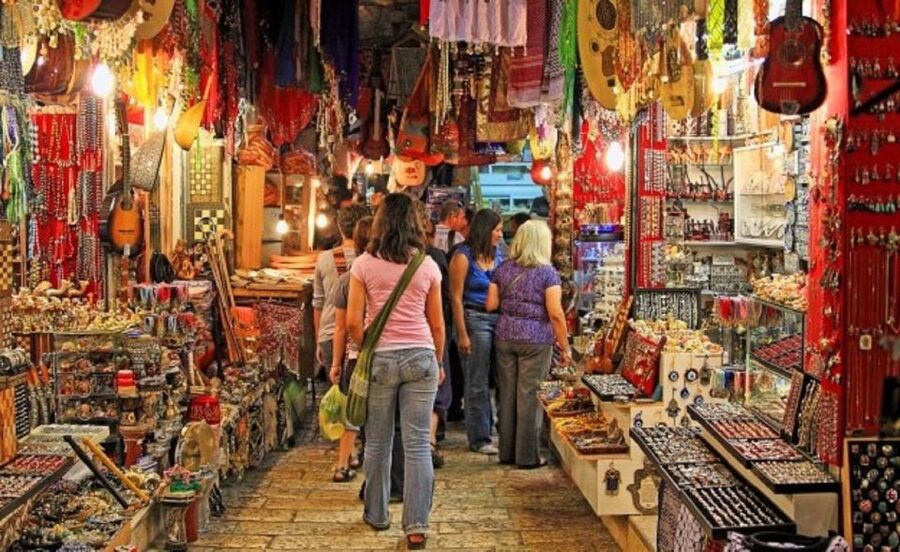
Mumbai’s old market districts are more than places to buy things. They show how trade, worship, food, family businesses, and daily city life sit close together. Within a short walk, you can move from flower sellers and religious goods to gold ornaments, silk, antiques, fruit, cheese, and chocolate.
I like this kind of tour because the sights are not isolated behind museum glass. You see people opening shops, arranging goods, carrying supplies, and moving through lanes that have served local commerce for generations. The setting can be noisy and crowded, but that is part of the point.
At the same time, you should set the right expectations. This is not a polished sightseeing route with long stops and plenty of quiet time. It is a quick walking tour through active commercial streets. You will likely spend more time moving and observing than receiving extended explanations at each location.
The private-group setup is useful here. A guide can adjust the pace, point out details you might miss, and explain what you are seeing without trying to address a large crowd. If you want to browse every stall, though, two hours will feel short.
More Markets and Bazaars in Mumbai
- Mumbai: Street Food and Night Markets Tour
★ 4.9 · 719 reviews - Mumbai Street Food & Night Markets
★ 5.0 · 225 reviews - Mumbai Street Food and Evening Bazaar Tour
★ 5.0 · 172 reviews
Starting at Café Coffee Day near Noor Fort
The meeting point is Café Coffee Day in the VT Capital Cinema Building, Noor Fort, Mumbai. This gives you a fixed and recognizable place to meet before entering the market districts.
There is no hotel pickup or drop-off, so you need to make your own way to the café. Plan a little extra time for reaching the meeting point, especially if you are unfamiliar with South Mumbai or are traveling during a busy period.
Wear shoes that can handle uneven pavement and a continuous walking pace. Bring sunscreen, sunglasses, and a sun hat. The tour operates rain or shine, so a light rain layer may be sensible during wet weather, although the supplied information does not specify whether the guide changes the route in heavy rain.
Leave large luggage and oversized bags behind. The markets are crowded, and carrying bulky belongings will make the walk harder for you and those around you.
Shri Swaminarayan Mandir sets the tone
The first listed stop is Shri Swaminarayan Mandir Vadtal, connected with the Shri Laxmi-Narayan Dev Gadi. This religious stop gives the walk an important starting point: Mumbai’s market quarters are not only commercial zones but also places shaped by faith and community.
You can expect a short walk of about ten minutes from the meeting point. Temple visits require respectful clothing and behavior. Photography may be restricted inside, so ask before taking pictures rather than assuming your camera is welcome.
This stop may appeal most to you if you enjoy seeing how religious places fit into ordinary city life. If your main goal is shopping, it may feel like a brief pause before the market route gathers speed.
Bhuleshwar Market brings the city close

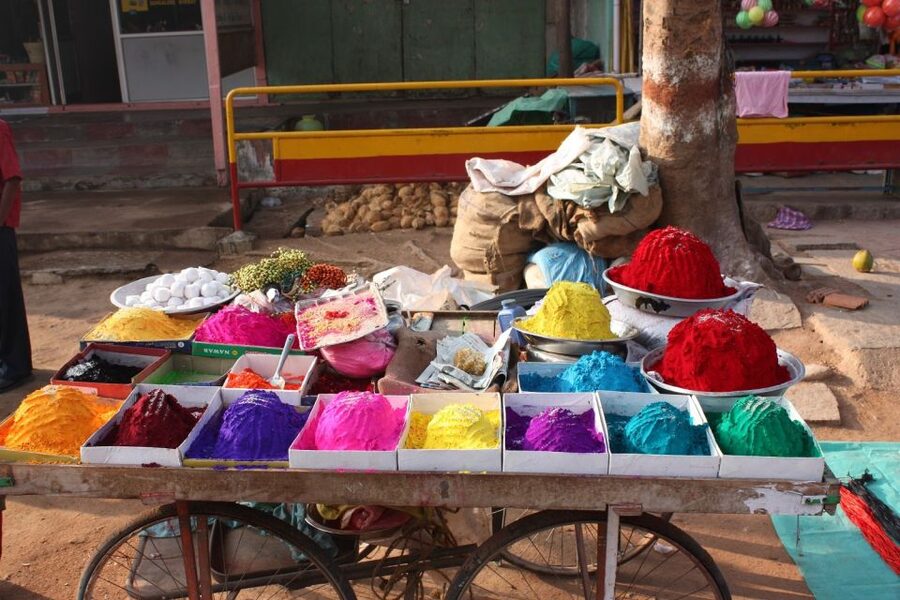
Bhuleshwar Market is one of the most varied sections of the walk. Its stalls and shops cover fruits and vegetables, imitation jewelry, religious goods, pooja items, rose petals, household supplies, and cloth accessories.
That variety makes it a useful introduction to Mumbai’s street commerce. You are not looking at a single specialty market. You are seeing the practical mix of products that local shoppers use for food, worship, clothing, decoration, and home life.
The planned visit and walk here take about twenty minutes. That is enough to get a feel for the area, but not enough for a slow browse through every stall. If something catches your eye, ask the guide about it before stopping to shop, since the group still has several districts ahead.
Some shops accept cash only. Carry a reasonable amount of Indian currency, but keep your money secure in the crowds. Personal purchases are not included in the tour price.
A completely different kind of day out:
- Dharavi slum tour in Mumbai by Female tour guides of the slum
★ 5.0 · 1,976 reviews - Mumbai: Full-Day Sightseeing Tour of Mumbai
★ 4.9 · 1,822 reviews - Private Mumbai Sightseeing Tour (Traveller’s Choice Award Winner)
★ 5.0 · 1,565 reviews - Elephanta Caves & Island Guided Private Tour
★ 5.0 · 1,327 reviews
Mumba Devi Temple and the city’s name
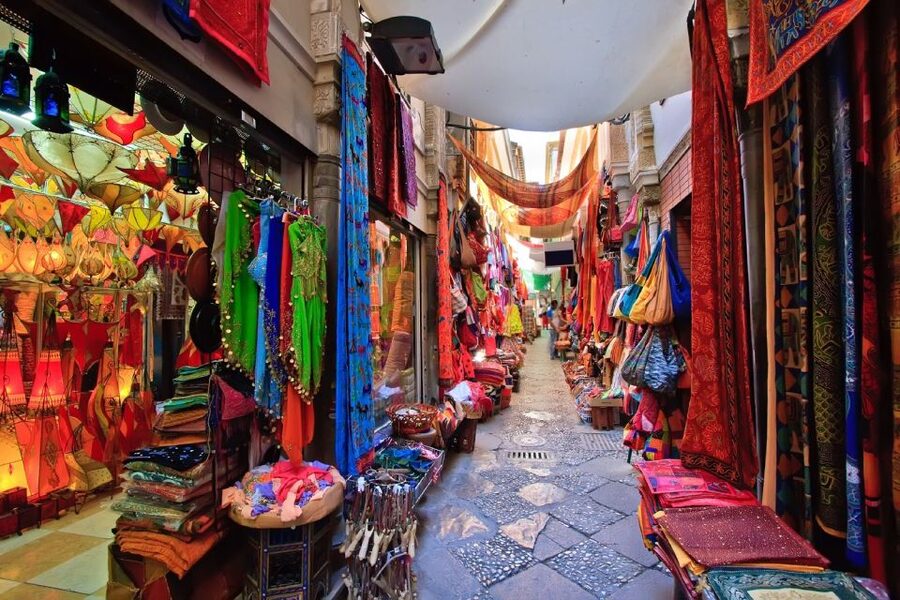
Mumba Devi Temple is one of the most meaningful stops on the route. The city of Mumbai takes its name from Mumba Devi, making this more than just another religious building along the way.
The temple connects the modern city to an older local identity. Its position among market streets also shows how worship and trade share the same urban space. You may find the visit more rewarding if you pause to notice the change in atmosphere rather than treating it as a quick photo stop.
The supplied route places the temple in the middle of the experience and also lists Shri Mumbadevi Temple as the finishing point. Since the exact order can vary, ask your guide at the beginning when the temple visit will happen. One recent low-rated booking reported that the promised temple and market stops did not take place, while other accounts describe a successful route through several markets. That inconsistency is worth clarifying before you set off.
Zaveri Bazaar and Mumbai’s jewelry trade
Zaveri Bazaar is the largest jewelry market in Mumbai and one of the most visually striking parts of the walk. Expect displays of gold, glittering stones, ornaments, and other jewelry, with the streets focused on a specialized trade rather than general household shopping.
You do not need to plan a purchase to appreciate this stop. The value is in seeing how concentrated commercial districts work. A guide can explain what makes the area important and help you understand the difference between simply passing a jewelry shop and seeing an entire neighborhood built around that business.
The route allows about fifteen minutes here, including walking. That is brief, especially if you want to examine jewelry closely. Treat it as an introduction, not a buying appointment.
Be clear with the guide about your shopping plans. One account described pressure to visit a shop after the market walk despite repeated statements that no purchase was wanted. That does not appear to match the positive experiences many people had, but it is fair advice to state your limits early. You can enjoy the markets without buying anything.
Kalbadevi connects the markets by foot
The walk through Kalbadevi is less about one single attraction and more about the links between Mumbai’s commercial neighborhoods. You will pass through streets filled with movement and see how one market district flows into the next.
The route allows about ten minutes here, with scenic views along the way. In practical terms, this is a transition section, but it helps you understand the area as a connected network rather than a collection of separate stops.
Keep close to the guide. Crowds can split a group quickly, especially near narrow lanes, shop entrances, and busy crossings. A private group makes this easier than a large shared tour, but you still need to pay attention.
Chor Bazaar adds antiques and old furniture
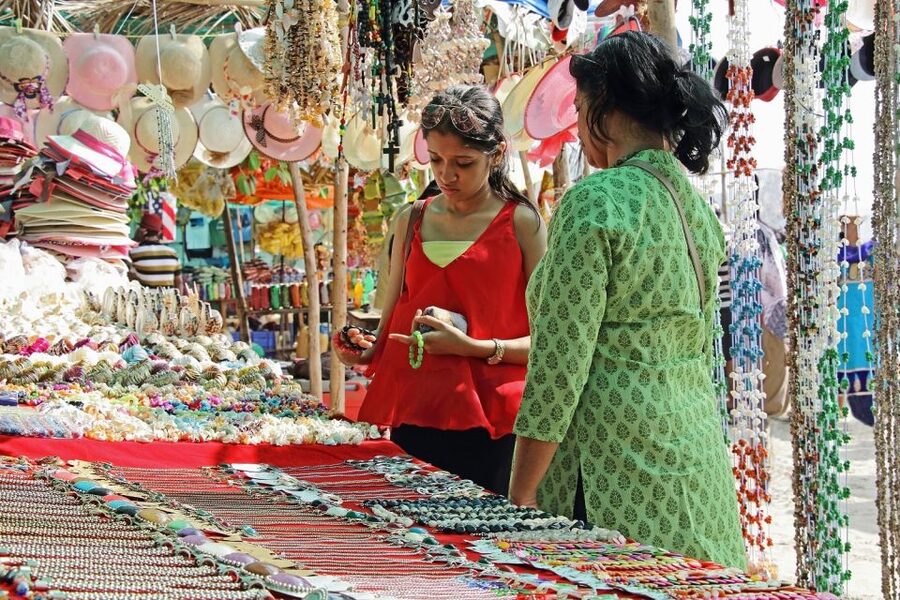
Chor Bazaar is known for antiques and furniture, giving the tour a different feel from the food and jewelry markets. You may see older household objects and furnishings among the shops, though the exact selection will depend on what is open and on the day’s route.
The name is often translated as Thieves Market, but the supplied tour information focuses on the area’s antiques and furniture rather than promising a particular story or collection. I would treat the stop as a chance to browse and observe, not as a guaranteed treasure hunt.
About twenty minutes are set aside for this part of the walk. That gives you some time to look around, but large furniture is obviously not practical to carry during the rest of the tour. If you are tempted by a purchase, ask about delivery or collection options before committing. Those services are not included in the tour.
Mangaldas Market and the long life of cloth trading
Mangaldas Market opened in 1893 and is known for silk and cloth. Its long operating history gives the market a strong sense of continuity, while its products add texture and color to a route otherwise filled with jewelry, food, and religious items.
The planned visit lasts about fifteen minutes. That is enough to see the market’s character and ask the guide about fabrics, but it may not satisfy you if you are serious about buying cloth. Tell the guide if you want shopping time, since the route is also trying to cover several other districts.
This stop can be especially useful if you are interested in Indian textiles but do not know where to begin. A local guide can help you understand what you are seeing and offer recommendations. You should still compare prices and quality yourself.
Crawford Market finishes with food and architecture
Crawford Market is the final major market on the route and one of South Mumbai’s best-known shopping areas. Here, the focus shifts to fruits, vegetables, imported cheese, and homemade chocolate.
The building’s Gothic and Romanesque architectural style adds another layer to the stop. You are not only browsing food stalls. You are also looking at a historic market structure with a distinctive appearance, a welcome change after the tighter lanes of the jewelry and cloth districts.
The planned visit takes about twenty minutes. You may find the food selection more appealing than the shopping sections earlier in the walk, especially if you enjoy seeing imported and locally made products side by side.
One practical warning: the route may change if you have already visited Crawford Market. A booking that had seen the market before was redirected toward cloth and jewelry instead. That flexibility can be helpful, but it also means you should confirm what you will see rather than relying on every listed stop appearing in order.
The masala chai moment
Masala chai served in a clay cup is one of the tour’s small pleasures. It gives you a short pause in the middle of a fast-moving walk and lets you try a familiar Indian drink in a local style.
One booking singled out the guide’s masala chai as especially good. The cup itself is also part of the experience, since clay vessels connect the drink to everyday Indian street culture in a simple, physical way.
Do not expect a full meal or a long café stop. The tour does not include bottled water, and the market walk can be hot. Bring your own water bottle and drink before you become thirsty.
Guide quality can shape the whole experience
The strongest praise centers on Nisar. He is described as friendly, attentive, and clear in his explanations, with several people saying he helped them notice places they would otherwise have missed. One person appreciated that he waited at the end until a driver arrived, while another felt safe and well cared for throughout the route.
Those details matter on a market walk. A good guide does more than identify a building or point toward a shop. The guide helps you move through tight streets, understand local customs, decide where to pause, and avoid wasting time.
The rating is 4.5 out of 5 from 23 ratings, which suggests a generally strong experience, but the score is not perfect. Along with the complaints about an altered route and unwanted shopping suggestions, there was a major complaint that the tour did not match the expected temples and markets and was ended after twenty minutes. I would not ignore that warning.
At the beginning, ask three direct questions:
- Which markets and temples will we visit today?
- Is there time for browsing, or is this mainly a walking and explanation tour?
- Will any shop visits be optional?
That quick conversation can prevent confusion and make the private format work better for you.
What $18 really buys you
At $18 per person, the tour is priced as an affordable introduction to central Mumbai’s market districts. You are paying for a guide, local orientation, access to lanes you might not find alone, and practical suggestions about the city.
The value is strongest if you have only a short time in Mumbai or feel unsure about entering crowded market neighborhoods by yourself. Seeing six market areas in two hours would be difficult to organize efficiently without local help.
The value is weaker if you want extensive shopping time, detailed temple visits, or a relaxed food tour. The duration is tight, and the route covers a lot of ground. Personal expenses, water, transportation to the meeting point, and hotel transfers are extra.
Because the group is private, the price may also make more sense for two or more people who want a tailored introduction. Before booking, decide if you want sightseeing, shopping, or both. This experience leans toward sightseeing with short shopping opportunities.
Who should book this walk
I would recommend it to you if you enjoy cities at street level, can walk steadily for two hours, and want a local guide to explain busy commercial districts. It suits first-time visitors who want quick orientation and people who like food, textiles, jewelry, architecture, and religious sites in one compact route.
It is less suitable for you if you dislike crowds, need frequent sitting breaks, or want a slow photography walk. It is also not suitable for wheelchair users or pregnant women according to the supplied activity information.
Festival periods may bring heavier crowds, making the route slower and more tiring. If you want the calmest possible outing, avoid the busiest festival dates when you can.
Practical advice before you go
Bring comfortable shoes, sunscreen, sunglasses, and a hat. Carry water because it is not supplied, and have cash available for small purchases or shops that do not accept cards.
Photography may be restricted inside temples. Ask permission before taking pictures of people, religious spaces, or shop interiors.
Keep your belongings close and avoid bringing luggage or large bags. The tour is not a vehicle-based sightseeing trip. You will be walking from market to market, with the route taking roughly ten, fifteen, or twenty minutes between several sections.
The activity allows free cancellation up to 24 hours before the start for a full refund, and you can reserve now while paying later. Starting times depend on availability, so check the selected time when booking.
Should you book the Magical Markets Tour?
Book it if you want an inexpensive, guided introduction to Mumbai’s old market quarters and you value a private group over a fixed, large-group route. The combination of Bhuleshwar’s mixed goods, Zaveri Bazaar’s jewelry trade, Mangaldas Market’s cloth, Crawford Market’s food, and the city’s temples gives you a lot in two hours.
I would book with one condition: confirm the day’s route and make clear that shopping is optional. If Nisar is your guide, the personal attention and practical explanations may be the best part of the experience. If you need a slow pace or guaranteed time at every named stop, choose a longer tour instead.
FAQ
How long is the Magical Markets Tour?
The tour lasts two hours.
How much does the tour cost?
The listed price is $18 per person.
Where does the tour begin?
Meet at Café Coffee Day, VT Capital Cinema Building, Noor Fort, Mumbai.
Where does the tour finish?
The listed finishing point is Shri Mumbadevi Temple, Mumbai.
Which languages does the guide speak?
The live guide speaks English and Hindi.
Is this a private tour?
Yes. The activity is offered for a private group.
Are hotel pickup and drop-off included?
No. You need to arrange your own transportation to and from the tour.
What should I bring?
Bring comfortable shoes, sunglasses, a sun hat or hat, and sunscreen. You should also carry your own water because a water bottle is not included.
Can I cancel for a full refund?
Yes. You can cancel up to 24 hours in advance for a full refund.
Just added in Mumbai
- Mumbai Sightseeing Tour★ 5.0 · 11 reviews
- Mumbai Airport to Mumbai Hotels : Private Transfers★ 5.0 · 13 reviews
- Mumbai Spice Markets and Bazaars Tour with Guide and Transport★ 5.0 · 42 reviews
- Mumbai 800 Year Worli Village: Talking Goddess, Old Fort & more★ 5.0 · 94 reviews
- Customize private tour with pickup★ 5.0 · 95 reviews
- Gufran’s Slum Home Tour in the Mumbai Slums★ 5.0 · 19 reviews
- Private Guided Bandra Half Day City Tour in AC Vehicle★ 5.0 · 72 reviews
- The Famous Bollywood Tour of Mumbai★ 5.0 · 97 reviews
Markets and Bazaars, compared.

Delhi Food Walk: Rickshaw Ride, Street Eats & Market Tour
Read our review →
Old Delhi Street Food Tour – Explore Spices in Chandni Chowk
Read our review →
Private Heritage Walking Tour in Jaisalmer Fort and Old Bazaar
Read our review →
Old Delhi Food-Spice Market-Temples Tour Soon Featured on NETFLIX
Read our review →
Chandni Chowk Delhi Food Tour with 15+ Tastings
Read our review →
Browse the lists this tour appears in