Reviewed · FULL-DAY
Full Day Old Delhi Food, Heritage, Cultural experience&visit Masterji Kee Haveli
Old Delhi rewards a patient appetite. This full-day experience pairs street-food tasting with market walks, rickshaw rides, Sikh heritage, and a meal inside Masterji Kee Haveli. I like the small maximum of ten people, and I like that the day reaches beyond the standard monument circuit into wedding goods, spices, jewelry, and neighborhood life. The one drawback is its length: six to seven hours on foot, in traffic, and around crowded bazaars may feel tiring.
The food is a major reason to book, but the human side may be the lasting memory. Guides such as Varun, Vivian, Anju, and Raj have been praised for making Old Delhi feel less daunting, while the family meal and local storytelling add warmth. Just remember that hotel pickup is not included, and you must reach the Old Delhi meeting point by 8:30 a.m.
In This Review
- Key things to know before you book
- Why this Old Delhi day works
- Starting at 8:30 a.m. near Chawri Bazar
- Chandni Chowk and the wedding market
- Khari Baoli, where the spices take over
- Gurudwara Sis Ganj Sahib and respectful visiting
- Kinari Bazaar and the business of decoration
- Dariba Kalan and Old Delhi jewelry
- Rickshaw rides that save your legs
- Food from the street to the haveli
- Stories, photographs, and the human touch
- Is $141.25 good value?
- Who should book this experience?
- Should you book the Old Delhi food and heritage tour?
- FAQ
- Where does the tour start and end?
- Is hotel pickup included?
- How long does the experience last?
- How large is the group?
- What food and drinks are included?
- What should I wear for the religious sites?
Key things to know before you book
- A full day in Old Delhi: Plan for roughly six to seven hours, not a quick market visit.
- Ten people maximum: The small group should make it easier to hear stories and ask questions.
- Food is built into the day: Breakfast, street tastings, tea, drinks, lunch, and an early haveli meal are included.
- Several ways to move: You use your feet, a cycle or electric rickshaw, and an auto-rickshaw during the experience.
- Markets with a clear local purpose: Chandni Chowk, Khari Baoli, Kinari Bazaar, and Dariba Kalan each have a different trade.
- A personal souvenir: A complimentary online album includes photographs taken during the day.
Why this Old Delhi day works

Old Delhi can be hard to read at first. Streets fold into one another, shopfronts spill into lanes, and the difference between a tourist stop and a working market is not always obvious. This tour gives you a local companion who explains what you are seeing while guiding you through the noise and movement.
The day is not built around one grand sight. Instead, it works as a sequence of smaller discoveries. You move from food to trade, from religious history to craft, then from street scenes to a traditional haveli meal. That broad mix gives you a better sense of how Old Delhi functions than a short photo stop beside Chandni Chowk would.
The group limit matters here. A large party would struggle in narrow lanes and at food stalls. With no more than ten people, you should have a better chance to stay together, hear the guide, and get help when the streets become confusing.
The tour also has a friendly tone. Varun has been praised for presenting himself as a local friend rather than a formal guide, and Anju has been described as lively and fun company. Vivian and Raj have also received praise for making the city’s past, customs, markets, and architecture easier to understand. Guide assignments can change, so book for the style of the experience rather than one promised individual.
A few more options to weigh up in New Delhi
- Old & New Delhi City Tour – Half or Full Day Options Available
★ 5.0 · 4,811 reviews - Same Day Taj Mahal, Agra Fort & Baby Taj Tour from Delhi by Car
★ 5.0 · 4,304 reviews - Taj Mahal Day Tour from Delhi by Superfast Train – TOP RATED TOUR
★ 5.0 · 4,166 reviews
Starting at 8:30 a.m. near Chawri Bazar
The meeting point is on Ajmere Gate Road in Bazar Sirkiwalan, near Chawri Bazar, Old Delhi. You arrange your own way there, since hotel pickup and drop-off are not included. The activity ends back at the same meeting point.
An early start is useful. The first part of the day includes breakfast, and you will want time for the food stops without rushing through the markets. Old Delhi also becomes more demanding as the hours pass, so beginning in the morning gives you a cooler and more manageable introduction.
Bring a mobile ticket, water, and shoes suited to walking. Bottled water is included, but a full day around uneven streets, steps, and crowded lanes calls for comfort over style. The schedule can also shift because of traffic, weather, road conditions, mechanical problems, group size, or the pace of the people taking part.
Chandni Chowk and the wedding market
The first major section takes about three hours around Chandni Chowk, a long-established commercial center often associated here with the wedding market. This is not simply a place to browse souvenirs. You pass wholesale and local bazaars where merchants sell bridal clothing, shoes, decorations, and other goods tied to Indian celebrations.
The appeal is the working character of the area. You can see how shopping for a wedding involves many separate trades, from clothing and footwear to decorative details. A guide can explain the uses of items that might otherwise blur into a wall of color and texture.
This is also where the tour’s pace becomes clear. Three hours is enough for a meaningful walk, but it means you are not merely checking off a street. Expect time on foot, frequent stops, and a steady stream of sights, smells, and sounds.
Breakfast and early food tastings fit naturally into this part of the day. You are not asked to wait until lunch to try local flavors. The included tastings give you a chance to sample familiar and less familiar street dishes in small portions, which is useful when you want to try more than one thing.
Food safety is a fair concern in any street-food tour. The supplied details promise tasting opportunities but do not list specific dishes or explain individual dietary arrangements. If you have allergies or strict food limits, contact the provider before booking and make your needs clear.
Khari Baoli, where the spices take over
Khari Baoli receives about thirty minutes, but it may be one of the most memorable short stops. The street is known as Asia’s largest wholesale spice market and has operated since the seventeenth century. Shops deal in spices, nuts, herbs, rice, tea, and other food products.
The value of having a guide here is interpretation. A sack, mound, or shopfront may look like an ordinary commodity display until someone explains what is being sold and how the market serves the wider food trade. The smells do much of the work, but context helps you understand the place as a business district, not just a colorful backdrop.
Thirty minutes is enough for an introduction, not a full examination of the market. If spice shopping is your main interest, you may wish for more time. Still, the stop fits the larger design well: you see where some of the flavors encountered during the day come from.
A completely different kind of day out:
- Full Day Taj Mahal, Agra Fort & Baby Taj Tour from Delhi by Car
★ 5.0 · 3,647 reviews - From Delhi: Taj Mahal & Agra Private Day Trip with Transfers
★ 4.9 · 3,181 reviews - Taj Mahal Tour from Delhi by Express Train (Viator Award Winner)
★ 5.0 · 2,849 reviews - All Inclusive Private Taj Mahal Luxury Tour from Delhi by Car
★ 5.0 · 2,564 reviews
Gurudwara Sis Ganj Sahib and respectful visiting
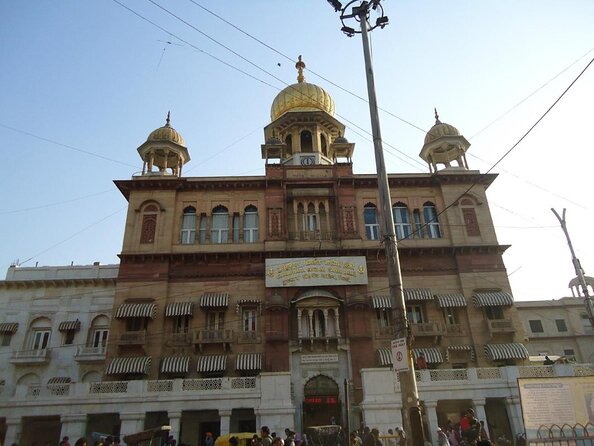
The tour then spends about thirty minutes at Gurudwara Sis Ganj Sahib, one of Delhi’s nine historic Sikh gurdwaras. The site commemorates the martyrdom of the ninth Sikh Guru, Guru Tegh Bahadur, and was first constructed in 1783 by Baghel Singh Dhaliwal.
This stop adds religious and political history to a day otherwise centered on food and trade. It also gives you a chance to pause inside a place of worship rather than treating Old Delhi as a market alone.
Dress carefully. Shorts are not allowed, and women must have their knees and shoulders covered. The stated dress code applies to places of worship and selected museums, so modest clothing is the safest choice for the whole day. Follow the guide’s instructions about conduct and photography.
The half-hour timing keeps the schedule moving, but it limits how long you can sit and reflect. Think of this as a focused introduction to the site rather than an extended religious visit.
Kinari Bazaar and the business of decoration
Kinari Bazaar is given about an hour. Its shops sell lace, thread work, borders, embroidery pieces, stones, gold and silver work, and garlands. Like the wedding market, this is a place where individual trades connect to larger celebrations and ceremonies.
I find this stop particularly useful because it shows the labor behind decoration. A finished outfit or wedding setting can seem simple from a distance. Here, you see the trims, borders, threads, and embellishments that create the final look.
This is a wholesale and retail area, so the experience is more about observing the trade than browsing a quiet craft shop. Shopkeepers are working, lanes may be tight, and the group must keep moving. Ask before taking close photographs, and do not block entrances while looking.
The one-hour allocation gives the guide enough time to explain the goods and answer questions. It may also be the point when your feet begin to notice the day. Use the rickshaw portions as a chance to rest rather than treating every transfer as another sightseeing task.
Dariba Kalan and Old Delhi jewelry
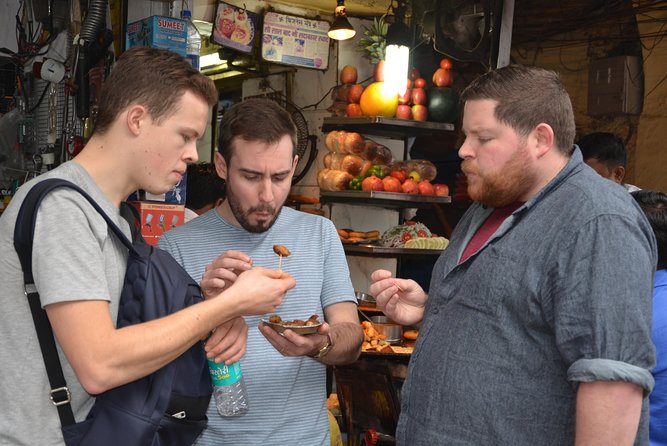
The thirty-minute stop at Dariba Kalan shifts the subject to jewelry. This seventeenth-century street is associated with gold, silver, diamonds, costume jewelry, and authentic attar, or traditional perfume.
That range makes the lane more interesting than a simple jewelry row. You can compare precious materials with costume pieces and learn how scent fits into the commercial life of Old Delhi. The short visit is enough to see the character of the street, though not enough for serious shopping across many stores.
If you are tempted to buy something, take your time and ask the guide for help with translation or local practice. The tour does not promise shopping assistance or purchases, so treat buying as optional. The strongest part of this stop is seeing another specialized trade operating within the same old city.
Rickshaw rides that save your legs
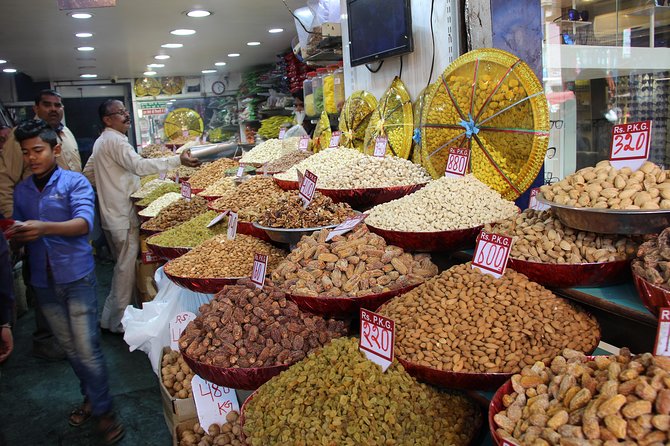
Transport is part of the experience, not just a way to get from one stop to another. The tour includes cycle or electric rickshaw rides, along with an auto-rickshaw ride. These short trips help you cover ground while giving you a street-level view of Old Delhi.
A bicycle rickshaw places you close to the action. You see shopfronts and passing traffic at a slower pace than from a car, but the ride can also feel exposed in crowded streets. Electric rickshaws may provide a similar local view with a different pace and setup.
The vehicles are public or private transport, and the provider notes that service quality and safety features cannot be guaranteed. Mechanical problems, road conditions, and traffic can affect the schedule. Keep personal belongings secure and follow the guide’s instructions when boarding and leaving.
The rides are best understood as part of the city experience, with some practical relief from walking. They are not luxury transfers. If you prefer quiet, climate-controlled transport, this will not be your ideal Old Delhi outing.
Food from the street to the haveli
The food program is unusually broad for a day tour. It includes breakfast, street-food tastings, tea, coffee or lassi, lunch, bottled water, and an early meal at Masterji Kee Haveli. The meals make the $141.25 price easier to assess because you are paying for more than guiding and transport.
Street tastings let you sample several local flavors without committing to a full plate at every stop. A drink such as lassi also gives you a break from walking and the heat. Since the exact dishes are not specified, you should ask about the planned menu before the day if you have dietary restrictions.
The haveli meal is the emotional centerpiece for many people. Masterji Kee Haveli is described as one of the last remaining havelis in Old Delhi, so the meal connects food with domestic architecture and family hospitality. Instead of eating only in commercial restaurants, you spend part of the day in a historic home setting.
Lunch and the early haveli dinner may sound like a lot after breakfast and street food. That is worth considering if you eat lightly. The advantage is variety, but you should pace yourself and sample modestly at the start.
The meal is also a good reason to choose this tour over a short food walk. You get both the excitement of eating outdoors and the slower rhythm of sitting down for a substantial family-style meal.
Stories, photographs, and the human touch
The guide is described as a local friend, storyteller, and photographer, which gives the experience a personal layer. This is not just a route through markets. You are encouraged to ask questions about Hindu culture, Sikh history, customs, food, and daily commerce.
The complimentary online photo album is a practical extra. A photographer takes pictures during the day, giving you a record of the markets, rides, and meal without requiring you to hold your phone at every moment. The details do not specify how many images are included or when the album arrives, so confirm those points if the photos matter to you.
Past praise has focused strongly on the people leading the day. Varun was singled out for making a first day in India feel easier, while Raj was praised for passion about Old Delhi’s history, architecture, customs, and markets. Anju was appreciated for energy and good humor, and Vivian for helping make the old city easier to understand.
That human connection is likely the tour’s greatest strength. It cannot be guaranteed in exactly the same way on every departure, but the small group and local-host format give it a better chance than a large coach tour.
Is $141.25 good value?
At $141.25 per person, this is not the cheapest way to see Old Delhi. A short walking tour or independent market visit will cost less. The fair question is what you would need to arrange separately.
Here, the price covers a six to seven-hour program, a maximum group of ten, several food occasions, rickshaw transport, a local host, photography, and a meal at a historic haveli. Taxes, fees, and handling charges are included. You also avoid the work of planning food stops and finding your way through specialized markets.
The value is strongest if you want a guided day with meals included and prefer cultural context over simple sightseeing. It is weaker if you mainly want to shop, visit major monuments, or move at your own pace. The tour is full, social, and structured.
You can cancel for a full refund if you do so at least 24 hours before the local start time. Changes or cancellations inside that window are not accepted for a refund.
Who should book this experience?
I would choose this tour if you are visiting Delhi for the first time and want a strong introduction to Old Delhi without managing every turn yourself. It also suits anyone who plans trips around food, local markets, religious sites, and personal stories.
It is a good fit for people who enjoy walking but appreciate occasional rides and meal breaks. Most people can participate, and the group is capped at ten, but the day still involves crowds, traffic, and a long schedule.
I would think twice if you dislike street food, need a very quiet itinerary, have limited stamina, or want guaranteed time for shopping. The provider also notes that conditions beyond its control can delay or change the route, so do not schedule an important evening flight immediately afterward.
Should you book the Old Delhi food and heritage tour?
Book it if you want Old Delhi presented as a living district rather than a checklist of sights. The mix of Chandni Chowk, Khari Baoli, Kinari Bazaar, Dariba Kalan, a Sikh gurdwara, rickshaw rides, street food, and Masterji Kee Haveli gives you a wide view of the city in one day.
The best reasons to go are the small group, the range of included food, and the chance to spend time with a local storyteller. Wear modest clothes, arrive ready for a long morning, and keep your schedule flexible. If that sounds like your kind of day, the price is reasonable for the amount of food, transport, access, and guidance bundled together.
FAQ
Where does the tour start and end?
It starts at Ajmere Gate Road, Bazar Sirkiwalan, Chawri Bazar, Old Delhi, at 8:30 a.m. The activity ends back at the same meeting point.
Is hotel pickup included?
No. Hotel pickup and drop-off are not included, so you must arrange your own transport to and from the meeting point.
How long does the experience last?
The tour lasts approximately six to seven hours.
How large is the group?
The tour has a maximum of ten participants.
What food and drinks are included?
The package includes breakfast, street-food tastings, lunch, an early meal at Masterji Kee Haveli, bottled water, and tea, coffee, or lassi.
What should I wear for the religious sites?
Shorts are not allowed, and women must cover their knees and shoulders. A modest outfit is the safest choice because the tour visits a Sikh place of worship and selected cultural sites.
Just added in New Delhi
- Old Town Delhi Walking Tour (2 Hours Guided Tour with Local)★ 4.5 · 22 reviews
- Yoga class in Delhi★ 5.0 · 29 reviews
- Unveil Old Delhi’s Food, Spice Market & Heritage Walk★ 5.0 · 26 reviews
- Vegetarian : Private Cooking Class in Delhi home ( Learn 7 meal)★ 5.0 · 58 reviews
- Private Taj Mahal & Agra Fort Tour, Dine with a View★ 5.0 · 27 reviews
- Tour to Akshardham temple with Guide and Delhi Transfer★ 5.0 · 26 reviews
- Private Tour of Taj mahal from Delhi by Train in 90 Min★ 5.0 · 46 reviews
- Private 2-Day Agra & Delhi Tour by Car–Includes Taj Mahal Sunrise★ 5.0 · 11 reviews
Full-Day, compared.
Old & New Delhi City Tour – Half or Full Day Options Available
Read our review →
Old & New Delhi City Tour – Choose Half or Full Day Experience
Read our review →
Full Day Taj Mahal, Agra Fort & Baby Taj Tour from Delhi by Car
Read our review →
Old & New Delhi Private Tour – Half or Full Day (Rated Excellent)
Read our review →
Private Full Day Sightseeing Tour By Car with Guide
Read our review →