
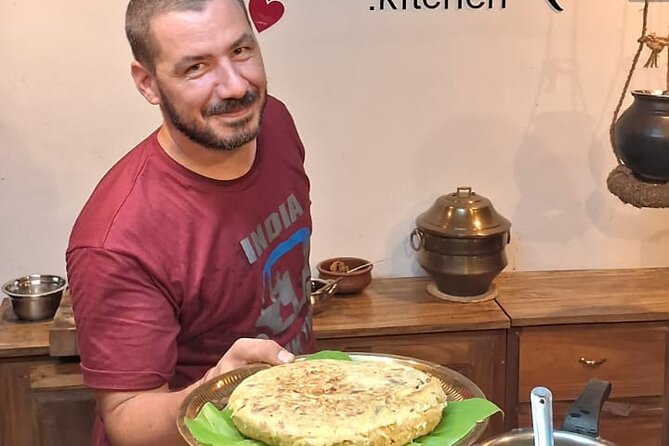
Reviewed · KOCHI TOURS
Learn Traditional Kerala Meal in Kumarakom
Food is the best shortcut into local life. This four-hour experience in Kumarakom combines a visit to local farms and markets with hands-on Kerala cooking, giving you a practical look at how everyday meals come together. I especially like the chance to choose ingredients yourself and the warm meal shared afterward with chef Jesvanth. The main consideration is the fixed schedule and non-refundable booking policy.
I also like that you can choose vegetarian, fish, or meat dishes, rather than being placed into one set menu. The cooking takes place in a private setting for your own group, which should make it easier to ask questions and work at a comfortable pace. Still, the advertised meeting point is in Cheepunkal, Kumarakom, even though the experience is listed under Kochi, so check your transport carefully before booking.
In This Review
- Key points to know before booking
- Why this Kumarakom cooking class is worth your time
- Starting at Cheepunkal in Kumarakom
- Exploring local farms and markets
- Returning to the Wonderwerk Kitchen
- Choosing vegetarian, fish, or meat dishes
- The meal brings the lesson together
- Finishing with Sulaimani tea
- Price, private format, and overall value
- Who will enjoy this most
- Should you book the Kumarakom Kerala meal class?
- FAQ
- Where does the experience begin?
- Where does the experience end?
- How long does the cooking experience last?
- Is pickup available?
- Can I choose vegetarian dishes?
- Are fish and meat dishes available?
- Is this a private activity?
- When will I receive booking confirmation?
- What happens if bad weather cancels the experience?
Key points to know before booking
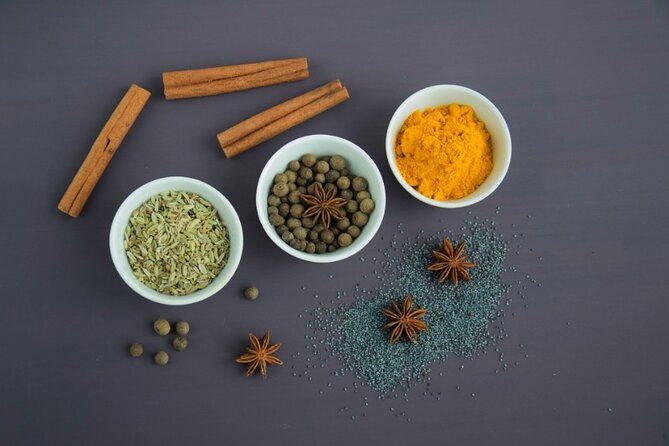
- Market shopping comes first: You learn how to recognize fresh produce and see the ingredients commonly used in Kerala cooking.
- You choose your cooking direction: The session can focus on vegetarian dishes, fish, or meat, according to your preferences.
- Chef Jesvanth leads the kitchen work: He explains spice combinations, cooking methods, and practical techniques in clear steps.
- The meal is part of the lesson: After cooking, you sit down and eat what you have prepared together.
- Sulaimani tea closes the afternoon: This special black tea gives the session a pleasant local finish.
- It is a private activity: Only your group takes part, with pickup offered and the experience ending at the starting point.
Why this Kumarakom cooking class is worth your time
Kumarakom is best appreciated at a slower pace. It is known for backwater scenery and village life, but you do not need a long sightseeing program to connect with the area. A market visit, a walk through local surroundings, and a shared kitchen session can tell you plenty about daily life.
This experience works because it links three parts of Kerala food culture: buying ingredients, preparing them, and eating together. You are not simply shown a finished plate. You get to see how people select produce, how spices are combined, and how separate ingredients become a meal.
I find that approach far more useful than a cooking demonstration where you only watch. You should have the chance to handle ingredients and try some of the methods yourself. That makes the class practical for home cooks, even if you are not used to Indian kitchens.
The atmosphere also appears to be personal. The activity is private, so you are not sharing the kitchen with a large mixed group. That matters when you want to ask why one spice is added before another, how a fish dish differs from a vegetarian preparation, or what technique gives a curry its final character.
A few more options to weigh up in Kochi
- Adventure Tuk Tuk Tour in kochi – A Private Guided Tour with Hotel Pick up
★ 5.0 · 579 reviews - Cochin: Backwater Village Eco Boat Cruise with Lunch
★ 4.8 · 502 reviews - Full Day Backwater Village Punting Boat Cruise
★ 5.0 · 393 reviews
Starting at Cheepunkal in Kumarakom
The meeting point is Cheepunkal, Kavanattinkara, Kumarakom, Kerala 686563. Pickup is offered, but you should confirm the arrangement after booking because the supplied details do not state the pickup area, timing, or vehicle type.
The experience lasts about four hours and ends back at the meeting point. That makes it fairly easy to fit into a day in the Kumarakom area. If you are staying elsewhere around Kochi, allow extra time for reaching Kumarakom and returning afterward. The title and location information use both Kochi and Kumarakom, so do not treat them as the same place when planning your day.
Once you arrive, the session begins with an introduction to the ingredients used in Kerala meals. This is a useful opening because Indian cooking can feel confusing when you first encounter unfamiliar spices, greens, fish, and vegetables all at once. Learning what you are looking at before cooking helps the rest of the class make sense.
Exploring local farms and markets
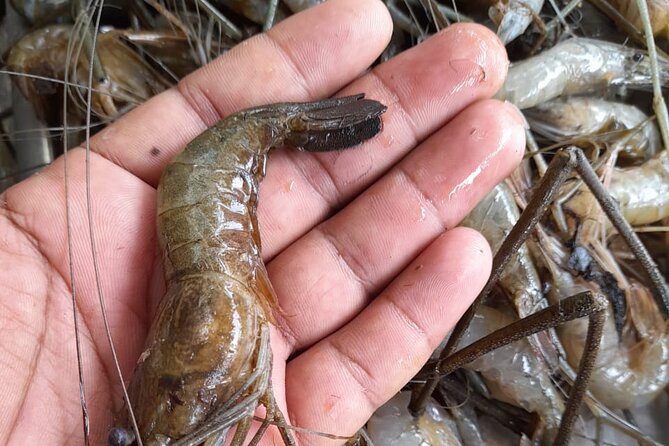
The food lesson begins outside the kitchen. You visit local farms and markets to collect the produce used later in the meal. The market portion is not just a shopping stop. It is meant to show you how ingredients are selected and how they fit into Kerala cooking.
You can expect an explanation of commonly used ingredients, along with guidance on judging freshness. That is a small but valuable skill. At home, recipes often tell you what to buy but not how to choose the best version. Here, the shopping itself becomes part of the lesson.
The market also gives you a clearer sense of how food reaches the kitchen. You may see vendors dealing with coconut, fish, vegetables, and spices, all of which have a role in the local cooking routine. The available information does not promise a particular market, vendor, or farm, so the exact route can vary.
This part may suit you especially well if you enjoy food culture beyond recipes. You are not only learning the name of a spice. You are seeing the ingredients in the setting where people buy them and hearing how they are used.
There is one practical point to keep in mind. Markets can be active places, and the experience is built around observing and selecting ingredients rather than browsing tourist stalls. If you want a long shopping period or time to buy souvenirs, this is not the right expectation. The purpose is to gather food for the class.
Returning to the Wonderwerk Kitchen
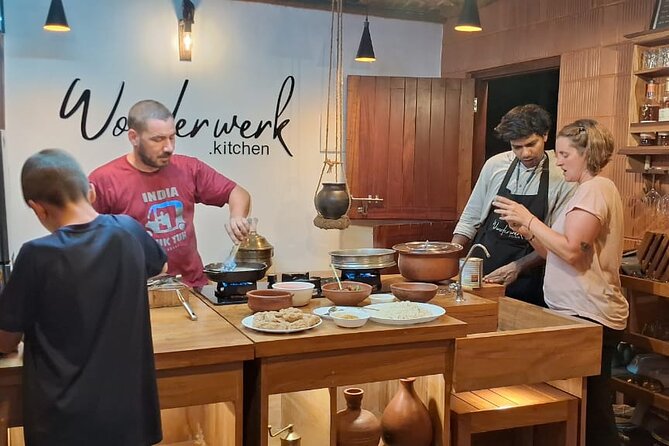
After the market visit, you return to the kitchen and begin preparing the meal. The cooking session is led by Jesvanth, also referred to as Jes, whose friendly teaching style has earned strong praise from people who have taken part.
The kitchen is described as clean and carefully maintained. That may sound like a basic detail, but it matters in a hands-on food activity. A well-kept kitchen makes it easier to focus on the ingredients and techniques instead of worrying about the working space.
Jesvanth explains how the ingredients are handled and how different methods affect the finished dish. The focus is not only on following a recipe line by line. You learn about the logic behind Kerala cooking, especially the way spices and masalas are combined.
You can expect clear instruction rather than a fast professional demonstration. Previous sessions have included explanations of cooking methods that are easy to follow, even for people who do not regularly cook Indian food. That makes this a good choice if you want techniques you can repeat at home.
Families may also find the format useful. The activity has kept both adults and children engaged, including a keen teenager and a less focused 12-year-old. That does not guarantee every child will enjoy the session, but the hands-on format gives younger participants more to do than simply sit and watch.
A completely different kind of day out:
- Kochi: Private Tuk-Tuk City Tour with Hotel Pickup
★ 4.8 · 292 reviews - 5 Days Luxury Kerala Tour with Houseboat Experience
★ 4.5 · 279 reviews - Half Day Tuk Tuk Tour in Kochi – Private Tour with Hotel Pick up
★ 5.0 · 278 reviews - Funny and helpful Tuk Tuk Tour in Kochin
★ 5.0 · 240 reviews
Choosing vegetarian, fish, or meat dishes
One of the best features is the ability to shape the menu around your preference. You can focus on vegetarian meals, fish preparations, or meat dishes. If you are traveling with people who eat differently, this flexibility is important.
Vegetarian participants are introduced to a range of vegetable-based dishes rather than receiving an afterthought. Fish and meat options are also available according to individual preferences. The exact dishes are not specified, so you should ask about the menu if you have a strict dietary requirement or want to know the ingredients in advance.
This flexibility is useful, but it is not the same as a fully customized allergy-safe class. The supplied information does not state how allergies, religious food rules, or severe intolerances are handled. If that affects you, contact the provider before booking and explain your needs clearly.
The lesson should also help you understand the balance of Kerala food. Spices are not simply added in large amounts to make food hot. Their timing, quantity, and combination all affect the final taste. You will learn how masalas work together and how cooking methods bring out the character of the ingredients.
The meal brings the lesson together
After the preparation, you share the food over conversation. This is where the class becomes more than a cooking exercise. You get to taste the results while the methods are still fresh in your mind.
I like the fact that the meal is made from ingredients collected during the outing. It gives the food a clear beginning, from farm or market to kitchen to table. You can also compare what you expected from the raw ingredients with what appeared on the plate.
The meal is described as generous and flavorful, with curry dishes forming an important part of the experience. The exact number of dishes is not provided, so I would not book this expecting a fixed feast or a particular menu unless the provider confirms it.
Conversation is part of the setting. The class has been praised for its warm, welcoming tone, and Jesvanth appears to enjoy explaining the food and the culture connected with it. If you like asking questions and chatting over a meal, you should get more from the experience than someone who wants a quick recipe lesson with no social time.
Finishing with Sulaimani tea
The final cup is Sulaimani tea, a special tea served at the end of the session. It is a fitting close to a meal centered on spices and local food traditions.
The information does not specify the exact recipe or strength of the tea. Still, its inclusion adds a small cultural detail that you might otherwise miss. Tea is not treated as an afterthought here. It gives you time to sit, talk, and let the cooking session wind down.
That slower ending is part of the appeal. The class is not designed as a race from market to kitchen and out the door. You have time for the food and conversation to share the same table.
Price, private format, and overall value
The price is $89.89 per person. For roughly four hours, that includes the market and farm visit, ingredient selection, cooking instruction, the meal, and Sulaimani tea. Pickup is offered, and the activity is private for your group.
That is not a bargain if you only want to eat one Kerala meal. You can spend less at many restaurants. The value comes from the access and instruction: you learn how to select ingredients, use spices, prepare dishes, and understand the food in a local setting.
The private format strengthens the value for couples, families, or small groups with shared interests. You are not paying for a large class where the teacher must divide attention among many people. You can ask questions that match your own cooking level and dietary preference.
Solo visitors should consider the price more carefully. The private arrangement may mean paying for a more personal experience, but the available information does not state a special solo rate. Confirm the final price and group conditions before booking.
The activity is commonly booked about 10 days in advance. That is a useful planning clue, especially if your dates in Kumarakom are limited. Confirmation is sent within 48 hours, subject to availability, so avoid building a tight schedule around it until your booking is confirmed.
Who will enjoy this most
I would recommend this experience if you:
- Want to learn how Kerala food is made, not just sample it
- Enjoy markets, local ingredients, and informal conversations
- Eat vegetarian food or want a choice of fish and meat dishes
- Prefer a private class to a large group demonstration
- Are staying in or near Kumarakom
- Want cooking methods you can try again at home
- Are traveling with children or teenagers who enjoy practical activities
It may not suit you if you want a short activity with no walking, dislike market visits, or need a precisely fixed menu. It is also less convenient if you are based far from Kumarakom and have only a small amount of free time.
The class requires good weather. If poor weather forces cancellation, you are offered another date or a full refund. The same applies if the minimum number of participants is not reached. Otherwise, the booking is non-refundable and cannot be changed, so choose your date with care.
Service animals are allowed, and the meeting point is near public transportation. Most people can participate, but the details do not describe the walking distance, kitchen layout, or specific accessibility features. Ask ahead if you need accommodations.
Should you book the Kumarakom Kerala meal class?
Book it if you want a personal introduction to Kerala food with real ingredients, practical instruction, and a meal you help prepare. The strongest reasons are the market visit, the choice of vegetarian, fish, or meat dishes, and Jesvanth’s clear, friendly guidance in a clean kitchen.
I would skip it if your main goal is a cheap lunch, a fixed sightseeing tour, or a brief cooking demonstration. Before paying, confirm pickup details, the meeting point, the menu, and any dietary concerns. For anyone staying near Kumarakom who enjoys food and local life, this looks like a worthwhile half-day experience.
FAQ
Where does the experience begin?
It begins at Cheepunkal, Kavanattinkara, Kumarakom, Kerala 686563, India.
Where does the experience end?
The activity ends back at the meeting point.
How long does the cooking experience last?
The experience lasts approximately four hours.
Is pickup available?
Yes, pickup is offered. The supplied details do not specify the pickup area or vehicle arrangements, so confirm those details after booking.
Can I choose vegetarian dishes?
Yes. Vegetarian participants are introduced to a variety of vegetarian meals.
Are fish and meat dishes available?
Yes. Fish and meat preparations are available according to individual preferences.
Is this a private activity?
Yes. Only your group participates in the activity.
When will I receive booking confirmation?
Confirmation is received within 48 hours of booking, subject to availability.
What happens if bad weather cancels the experience?
If poor weather causes cancellation, you are offered a different date or a full refund. A different date, experience, or full refund is also offered if the minimum number of participants is not reached.
Just added in Kochi
- Walking Tour of Fortkochi★ 5.0 · 15 reviews
- Kochi Village Life Experience tour – The Real Tour of Kochi !★ 5.0 · 11 reviews
- Local and personalized Tours of Fort Kochi and Mattancherry by Tuk Tuk★ 5.0 · 31 reviews
- Village Bike Tour & Birdwatching★ 5.0 · 18 reviews
- Serene Munnar Retreat: Private Tour from Kochi to the Munnar Hill★ 5.0 · 11 reviews
- Tuk Tuk Cochin Tour★ 5.0 · 13 reviews
- Sunrise Cruise with Village Life and Local Food★ 5.0 · 82 reviews
- Solo Kerala Private Tour Package ( 5 Nights) – Munnar, Thekkady, Houseboat★ 5.0 · 46 reviews
Kochi Tours, compared.

Adventure Tuk Tuk Tour in kochi – A Private Guided Tour with Hotel Pick up
Read our review →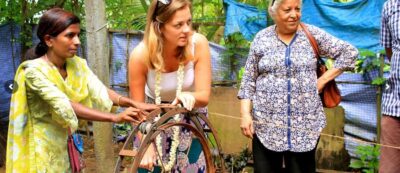


5 Days Luxury Kerala Tour with Houseboat Experience
Read our review →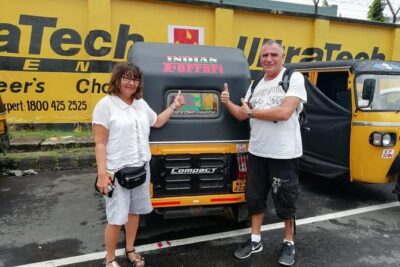
Half Day Tuk Tuk Tour in Kochi – Private Tour with Hotel Pick up
Read our review →
Browse the lists this tour appears in