
Reviewed · MARKETS AND BAZAARS
Heritage Walk, Local Markets & Food Tasting – Non Touristy
Come hungry and wear good shoes. This Udaipur walk brings you into old-city lanes, food shops, temples, markets, craft communities, and everyday neighborhood life that most sightseeing routes skip. I especially like the mix of safe vegetarian street food and local stories, plus the chance to see working makers such as potters, bamboo artists, and biodegradable plate makers.
I also like that the guide can explain modern Udaipur alongside customs, festivals, architecture, and religion. The main point to consider is pace: the walk covers about 3 kilometers in 2.5 to 3 hours, and the food stops and questions can make the outing run longer or force you to miss a stop.
In This Review
- Key points to know before you book
- Why this walk reveals a different Udaipur
- Starting at Jagdish Chowk and Rao Ji ka Hata Road
- Food tasting that teaches you what you are eating
- Tinker Street, markets, and the working old city
- Temples, a step well, and old architecture
- Ghanta Ghar and the final food stop
- The guide makes or breaks the experience
- How much value do you get for $24?
- Who should book this Udaipur walk?
- Should you book it?
- FAQ
- Where does the tour start?
- How long does the walk take?
- How far do you walk?
- What food is included?
- Is bottled water included?
- Which languages are available?
- Is the tour private or shared?
- What should I wear?
Key points to know before you book
- Seven or more local food stops: Try samosa, kachori, poha, gulab jamun, lassi, juices, and masala chai, with vegetarian tasting included in the price.
- Old Udaipur beyond the postcard views: Visit Jagdish Chowk, Tinker Street, Ghanta Ghar, local markets, temples, and a step well.
- A working city, not just a sightseeing set: See potters, bamboo artists, spice sellers, produce vendors, and makers of biodegradable bowls and plates.
- A strong guide-led experience: Harsh Mundra is the listed provider, while past departures have been led by guides called Happy, Vishal, and Harsh.
- Good value at $24 per person: Food, bottled water, tea, sweets, and a live guide are included, with no extra tasting fees.
- Flexible and personal: English and Hindi are offered, and private or small-group departures are available.
Why this walk reveals a different Udaipur
Udaipur is famous for lakes, palaces, and grand hotel views. Those sights deserve your time, but they do not fully explain how the city works. This walk shifts attention to the lanes around the old center, where shopkeepers, craftspeople, food vendors, worshippers, and market sellers carry on with daily business.
That difference matters. You are not simply moving from one monument to another. You are learning why a certain street sells spices, how a local snack is prepared, what a temple means to its community, and how craft traditions fit into present-day life.
The walk begins at Ganesh Art Emporium, diagonally opposite Jagdish Temple in Jagdish Chowk, and returns there. The meeting point is central and practical if you are already sightseeing in the old city. Transportation to the start is not included, so you need to make your own way there.
The experience is designed around conversation. You can ask about cows on the streets, arranged marriages, the caste system, Ganesha, karma, festivals, education, politics, Sati, child marriage, and modern Udaipur. Some of those subjects are complex, so the quality of the outing depends heavily on how openly and clearly your guide handles questions.
More Walking Tours in Udaipur:
- Old city heritage walk and local life experience
★ 5.0 · 11 reviews - The Great Indian Food Tour: Old Delhi Food and Heritage Walk
★ 5.0 · 1,698 reviews - Group Guided Walking Tour in Fort and Colaba
★ 5.0 · 1,073 reviews
Starting at Jagdish Chowk and Rao Ji ka Hata Road
Jagdish Chowk gives the walk a useful starting point. You are close to Jagdish Temple, one of the best-known landmarks in the old city, but the route quickly moves into more ordinary streets and commercial lanes.
On Rao Ji ka Hata Road, the focus turns to food, tea, small shops, local crafts, and neighborhood life. This is where the tour begins to feel less like a standard monument visit. You might pause for breakfast-style snacks, sweets, or tea while the guide explains ingredients and basic preparation.
The food is vegetarian, and the stops are described as tried and tested for safety and hygiene. That is reassuring, especially if you are cautious about street food. Still, no food experience in any country can remove every personal risk, so tell the guide about allergies or dietary limits before eating.
The tasting list may include samosa with mint and coriander chutney, kachori with mango and tamarind chutney, poha, gulab jamun, lassi, juices, and masala chai. You may also watch a traditional snack being made. The value is not only in the number of dishes. It is in seeing how common foods fit into local routines rather than appearing as isolated samples on a restaurant plate.
Food tasting that teaches you what you are eating
The food component is one of the strongest reasons to book this walk. Five or more dishes are included, and the tour visits at least seven food shops according to the planned route. That gives you several chances to compare flavors, textures, preparation styles, and serving habits.
A samosa offers a familiar introduction to Indian snack food, while kachori gives you a different pastry and filling experience. The chutneys matter, too. Mint and coriander bring a fresh, sharp note, while mango and tamarind add sweet and sour flavor.
Poha is a lighter breakfast food, and gulab jamun brings the meal toward dessert. Masala chai adds another layer because you are tasting both the drink and the spice mix. The guide also explains how the tea is made, which turns a quick cup into a small lesson in household and street-side cooking.
The tour includes bottled mineral water, which is a useful practical detail. Alcoholic drinks are not included. I would avoid treating the tasting as a full lunch unless the provider confirms the current portions, since the route is built around sampling several items rather than serving one large meal.
Tinker Street, markets, and the working old city
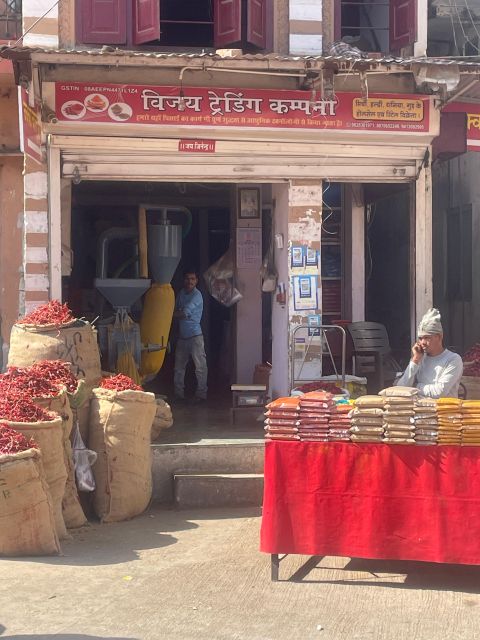
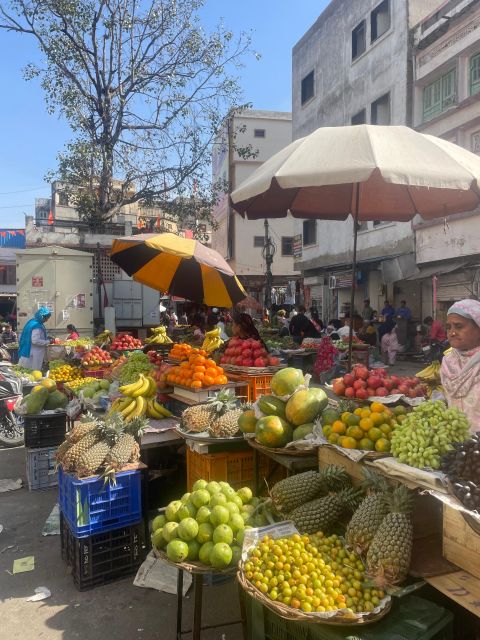
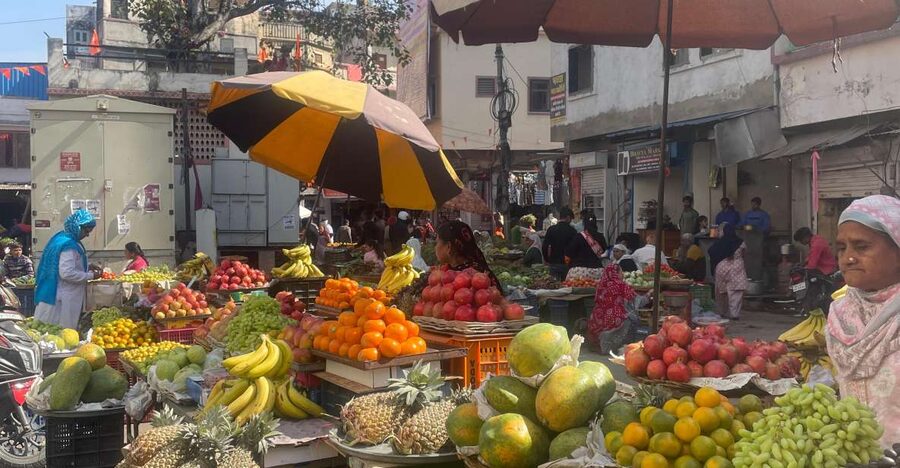
The market portion gives you a close look at the city’s supply chain. The route includes fruit and vegetable sellers, a spice and grain market, and streets connected with local makers.
The spice and grain section is especially useful for first-time visitors. You can ask about common spices, how they are used, and what makes certain blends part of local cooking. The guide also offers tips for exploring the bazaar and buying food or goods without feeling lost.
Fruit and vegetable markets show a different side of Udaipur from the polished areas around major sights. Prices, produce, storage, and customer habits become part of the scene. You should expect narrow streets, active shops, and the normal movement of a city center rather than a quiet museum visit.
Tinker Street is another chance to see small-scale work and commerce. The route also includes bamboo art, pottery, and makers of biodegradable bowls and plates. These stops give the tour practical depth. You are seeing materials being shaped and sold, not just hearing that local crafts exist.
One memorable possibility is trying a traditional pottery wheel. The guide may also introduce you to local residents or shopkeepers along the way. That kind of contact can be rewarding, but remember that it is part of ordinary life, not a staged performance. Be polite, ask before photographing people, and follow the guide’s lead.
More Markets and Bazaars in Udaipur:
- Mumbai: Street Food and Night Markets Tour
★ 4.9 · 719 reviews - Delhi Food Walk: Rickshaw Ride, Street Eats & Market Tour
★ 5.0 · 401 reviews - Old Delhi Street Food Tour – Explore Spices in Chandni Chowk
★ 5.0 · 334 reviews - Private Heritage Walking Tour in Jaisalmer Fort and Old Bazaar
★ 5.0 · 306 reviews
Temples, a step well, and old architecture
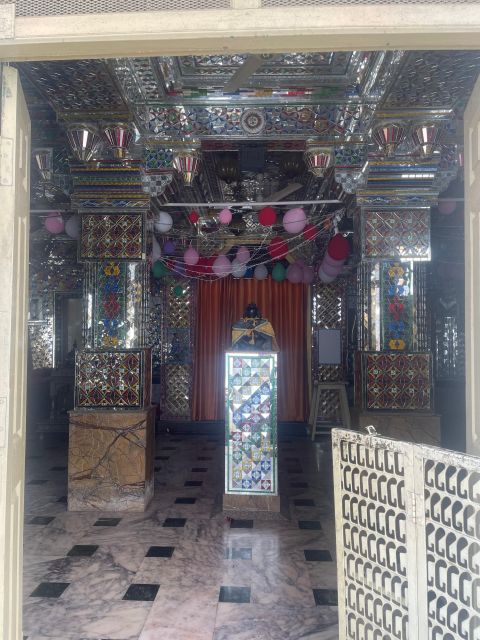
The walk includes a historic Jain temple, where the guide explains its importance, and a visit to a step well. These are valuable stops because they add religious and architectural context to the food and market scenes.
Jagdish Temple is part of the starting area, and the walk finishes there as well. The Jain temple provides a different religious setting and opens the door to questions about worship, symbols, customs, and community life. Visitors should dress respectfully and follow any instructions about footwear, photography, or behavior given at the site.
The haveli visit is intended to include architectural detail. You can expect discussion of the building’s design and how older homes fit into the city. The exact access and length of the stop may depend on the group and the day, so it is best to think of this as a guided look at heritage architecture rather than a guaranteed full house tour.
The step well adds another useful piece of urban history. It shows how water shaped building design and public life in Rajasthan. Along with the clock tower and old lanes, these stops help you connect Udaipur’s grand reputation with the practical needs of an older city.
Ghanta Ghar and the final food stop
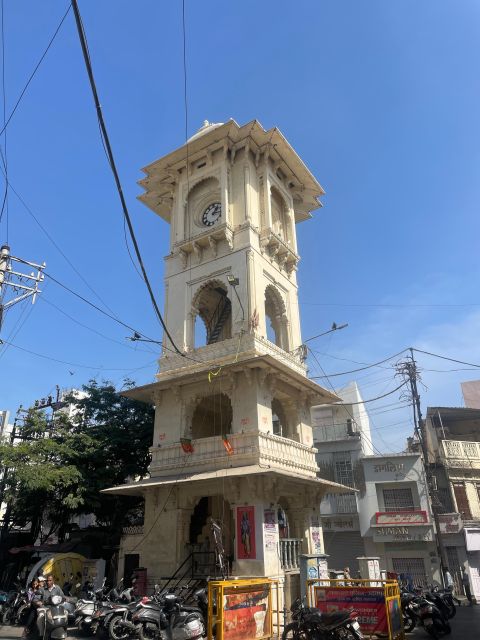
Ghanta Ghar, or the Clock Tower area, is listed as a food tasting stop lasting about 15 minutes. It is a natural place to bring together the walk’s themes: old streets, commerce, snacks, and movement through the city.
This section may feel busier and more exposed than the quieter lanes. You are likely to encounter more traffic, shop activity, and people going about their day. That is part of the appeal, but it also means you should stay close to the group and watch your footing.
From there, the route returns to Ganesh Art Emporium. The circular design makes the walk easy to fit into a day of sightseeing. You can continue to Jagdish Temple, return to your hotel, or use the guide’s advice about restaurants, shopping, and places to visit around Udaipur.
Several people have found the post-tour advice especially helpful. Guides have suggested restaurants and shopping areas, and in one case kept in touch afterward with recommendations. Do not treat that as a guaranteed extra service, but it shows the kind of practical local help this experience can provide.
The guide makes or breaks the experience
This is a guide-led walk, and the human element matters more here than on a simple attraction visit. The provider is Harsh Mundra, and departures have included guides named Happy, Vishal, and Harsh. The descriptions of these guides emphasize warmth, patience, local pride, and a willingness to answer questions.
That is important because the route is not just a series of stops. You need someone who can explain why the market is arranged as it is, put local customs into context, and help you approach food stalls with confidence.
The personal side also matters if something goes wrong. During one outing, a guide arranged a tuk-tuk when a participant’s knee began to hurt. That does not mean transport is part of the standard tour, but it suggests a useful level of attention from the guide team.
The route can be adjusted in timing, and the default start is 10:00 am. You can message the provider if another time suits you better. A private or small-group format should be your first choice if you want more questions, a slower pace, or extra help with food choices.
How much value do you get for $24?
At $24 per person, this is a strong-value experience if you plan to eat the included food and use the local advice. You receive a live English or Hindi-speaking guide, bottled water, at least five tasting dishes, sweets, tea, and access to a route that would be difficult to assemble on your own.
The food alone is not the entire calculation. You are also paying for interpretation and confidence. A first-time visitor may walk past a market, temple, or small food shop without understanding what makes it important. A good guide turns those ordinary-looking places into part of a wider story.
The price is less attractive if you dislike street food, do not eat vegetarian dishes, or prefer major monuments to neighborhood exploration. It is also not ideal for anyone who wants a slow photography walk, since the group must keep moving and the full route covers several areas.
There are no extra fees for the listed tastings. Transportation to the meeting point and alcoholic beverages are not included. Free cancellation is available up to 24 hours before the experience, and you can reserve while paying later, which helps if your Udaipur plans are still shifting.
Who should book this Udaipur walk?
I would recommend it most strongly to first-time visitors who want help understanding daily life in the old city. It is also a good fit for food-focused visitors, curious photographers, culture-minded couples, and anyone who feels unsure about trying Indian street food alone.
You will get the most from it if you ask questions. Ask about ingredients, religious customs, local festivals, architecture, family life, and the history behind the streets. The more curious you are, the more useful the flexible timing becomes.
Families and older visitors should consider the 3-kilometer distance and uneven city streets. Comfortable shoes and light cotton clothing are recommended. If you have knee or mobility concerns, tell the provider ahead of time and consider a private format.
This is not the right pick if you want a palace tour, a boat outing, or a quiet heritage lecture. It is a walking and tasting experience in active parts of Udaipur, with real streets, working shops, and changing conditions.
Should you book it?
Book this walk if you want Udaipur to feel like a lived-in city rather than a collection of famous photo stops. The combination of food, markets, temples, crafts, architecture, and direct conversation gives you useful context for the rest of your stay.
I would book it early in your visit, since the guide’s restaurant and shopping advice can help shape later days. Go with comfortable shoes, an open appetite, and enough time for questions. Skip it only if you avoid street food, need a fully accessible route, or prefer grand sights over local neighborhoods.
FAQ
Where does the tour start?
It starts at Ganesh Art Emporium, diagonally opposite Jagdish Temple in Jagdish Chowk, toward the clock tower.
How long does the walk take?
The stated duration is about 2.5 hours, though it can take up to 3 hours depending on the group’s curiosity and pace.
How far do you walk?
The route covers around 3 kilometers.
What food is included?
Included tastings can include samosa with mint and coriander chutney, kachori with mango and tamarind chutney, poha, gulab jamun, masala chai, lassi, and juices. The food is vegetarian.
Is bottled water included?
Yes. Mineral bottled water is included.
Which languages are available?
The live guide is available in English or Hindi.
Is the tour private or shared?
Private and small-group options are available.
What should I wear?
Comfortable shoes and cotton clothing are recommended.
More Food Tours in Udaipur
- Old Delhi Street Food Tour
★ 5.0 · 497 reviews - Bengali Nights Kolkata Food Tour with 13+ Tastings
★ 5.0 · 325 reviews - Chandni Chowk Delhi Food Tour with 15+ Tastings
★ 5.0 · 285 reviews - Jaipur Bazaar & Food Walking Tour
★ 5.0 · 281 reviews
Just added in Udaipur
- Same Day Tour Of Kumbhalgarh Fort & Ranakpur Jain Temple★ 4.7 · 12 reviews
- Old city heritage walk and local life experience★ 5.0 · 11 reviews
- Monsoon Palace (Sajjangarh) E-bike Trail★ 4.7 · 19 reviews
- Udaipur: City Palace Museum Tour and Lake Pichola Boat Tour★ 5.0 · 20 reviews
- Farm to Table: With a local farmer family★ 4.3 · 13 reviews
- Experience Luxury: Private Museum, Vintage Car Ride★ 4.9 · 26 reviews
- One Way Kumbhalgarh Fort and Jain Temple Tour from Udaipur to Jodhpur★ 5.0 · 36 reviews
- Private Day Trip to Chittorgarh Fort from Udaipur★ 5.0 · 37 reviews
Markets and Bazaars, compared.

Delhi Food Walk: Rickshaw Ride, Street Eats & Market Tour
Read our review →
Old Delhi Street Food Tour – Explore Spices in Chandni Chowk
Read our review →
Private Heritage Walking Tour in Jaisalmer Fort and Old Bazaar
Read our review →
Old Delhi Food-Spice Market-Temples Tour Soon Featured on NETFLIX
Read our review →
Chandni Chowk Delhi Food Tour with 15+ Tastings
Read our review →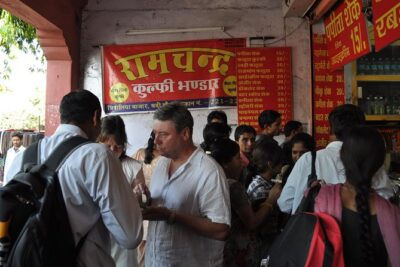
Browse the lists this tour appears in