Reviewed · NEW DELHI TOURS
Essence of magnificent India and Nepal
India and Nepal in one long sweep. This 17-day private journey links Delhi, Jaipur, Agra, Varanasi, Lumbini, Pokhara, and Kathmandu with a personal driver, local guides, and a useful mix of famous sights and quieter stops. You get the Taj Mahal at sunrise, a rickshaw ride through Old Delhi, a boat ride on the Ganges, and Himalayan views from Pokhara.
I especially like the wide geographic range and the fact that most of the hard transport planning is handled for you. The included breakfasts, bottled water, air-conditioned vehicle, and Kathmandu to Delhi flight also help keep the trip simple. The tradeoff is pace: long road transfers, extra monument fees, a Nepal visa charge, and some coordination details mean you need to stay involved rather than simply follow along.
In This Review
- The essential facts at a glance
- What the $580 price really covers
- Delhi begins with temples, rickshaws, and crowded streets
- Jaipur brings forts, palaces, and a busy royal center
- Agra and Orchha offer the trip’s strongest contrast
- Khajuraho and Varanasi change the mood
- Crossing into Nepal requires preparation
- Pokhara adds water and mountain views
- Kathmandu closes with the valley’s great sites
- Who should choose this route?
- Should you book the Essence of Magnificent India and Nepal?
- FAQ
- How long is the tour?
- Where does the tour start?
- Where does the tour end?
- Are hotels included?
- Is breakfast included?
- Are lunch and dinner included?
- Are monument entrance tickets included?
- Is the Nepal visa included?
- Is the Kathmandu to Delhi flight included?
The essential facts at a glance
- Taj Mahal at sunrise: Visit Agra’s great landmark with a guide before returning to the hotel for breakfast.
- Old Delhi by rickshaw: Ride through the crowded market streets near Jama Masjid and the Red Fort.
- Varanasi from the river: See the ghats and temples from a morning boat, with an evening Ganga Aarti ceremony as another highlight.
- India and Nepal in one trip: Continue overland to Lumbini, then see Pokhara and the Kathmandu Valley.
- Private travel with a driver: Your group travels in an air-conditioned vehicle rather than joining a large coach.
- Budget-friendly base price: The $580 price includes major services, but monument tickets add about $200 per person and Nepal visa fees add $30.
What the $580 price really covers
At $580 per person, this is an unusually low base price for 16 nights of accommodation, private transport, a driver, guides in several cities, breakfasts, bottled water, and a flight from Kathmandu to Delhi. The value is strongest if you want to see a lot of northern India and Nepal without arranging each hotel, road transfer, and sightseeing day yourself.
The headline price does not tell the whole story. Admission tickets to the monuments cost about $200 per person, and the Nepal visa is listed at $30. Lunch and dinner are not included, and an optional Himalayan flight is extra. That puts the known cost closer to $810 per person before most meals and personal spending.
The three-star hotels include air conditioning and private bathrooms, which matters in India and Nepal. Still, you should choose this trip for its route and convenience, not for luxury. Breakfast is included each day, but the description does not promise a specific menu or hotel brand.
The private format is a major advantage. You can travel with only your own group, and the driver handles the road connections between cities. The main caution is that coordination appears to require some guest involvement. Confirm each day’s meeting time, guide, hotel, and included entrance before setting out.
A few more options to weigh up in New Delhi
- Old & New Delhi City Tour – Half or Full Day Options Available
★ 5.0 · 4,811 reviews - Same Day Taj Mahal, Agra Fort & Baby Taj Tour from Delhi by Car
★ 5.0 · 4,304 reviews - Taj Mahal Day Tour from Delhi by Superfast Train – TOP RATED TOUR
★ 5.0 · 4,166 reviews
Delhi begins with temples, rickshaws, and crowded streets
Your first day starts with pickup from a central Delhi location or Indira Gandhi International Airport. After time to freshen up, the sightseeing begins at Swaminarayan Akshardham, a modern Hindu temple complex with elaborate design and a calm setting after the city traffic.
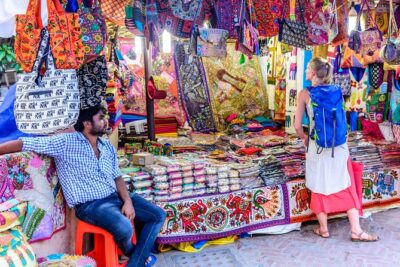
The Old Delhi section is more earthy and immediate. A rickshaw carries you through market streets near Jama Masjid, giving you a close view of daily commerce and tight lanes that a regular car cannot reach. Jama Masjid admission is not included, so keep cash available for monument tickets.
You then stop at the Red Fort, with time for a photograph and possible entry. The wording here suggests that the fort visit may depend on timing, so ask in advance if a full ticketed visit is planned. Raj Ghat, the cremation site of Mahatma Gandhi, offers a quieter pause, while Gurudwara Bangla Sahib shows another side of Delhi’s religious life.
The Sikh temple is especially worthwhile because of its community kitchen, where food is prepared for thousands of people each day. Dress modestly and follow the temple’s instructions. Arms and legs should be covered at religious sites throughout the trip.
Day two shifts to New Delhi and its grand avenues. India Gate and the diplomatic district provide a look at the capital’s official side, including the Parliament House and Secretariat Buildings. Lotus Temple, built in the shape of a lotus, welcomes people of different faiths and gives the day a change of mood.
Humayun’s Tomb and Qutub Minar are the major historical stops. Both require paid admission, and each deserves enough time to avoid a rushed photograph-only visit. Humayun’s Tomb is an important Mughal monument, while Qutub Minar anchors a larger complex of towers and mosque remains.
Lodhi Garden closes the day in a more relaxed way. Its historic tombs sit among lawns used by local residents, making it a useful place to observe Delhi life rather than only its grand monuments.
Jaipur brings forts, palaces, and a busy royal center
The drive toward Jaipur includes a stop at the Monkey Temple, a temple complex known for the monkeys living around it. This is a short but memorable change from the major monuments. Admission is not included, and you should follow local guidance around animals and food.
Jaipur’s main sightseeing day begins at Amber Fort, set among the hills outside the city. The fort-palace is one of the trip’s strongest architectural stops, with courtyards, halls, and broad views. Paid entry is extra, so budget for it along with the other sites.
Jal Mahal is mainly a photography stop. The palace appears to sit in the water, but this visit is scheduled for about 30 minutes, not an extended exploration. Hawa Mahal is another quick visual highlight, with its famous wall of tiny windows. You may be able to visit inside, but admission is not included.
The City Palace takes you into Jaipur’s royal center, with museums and royal displays. Royal Gaitor, the tomb complex for Jaipur’s royal family, provides a quieter finish among the hills. Together, these stops give you both the polished face of Jaipur and a calmer place to pause.
Agra and Orchha offer the trip’s strongest contrast
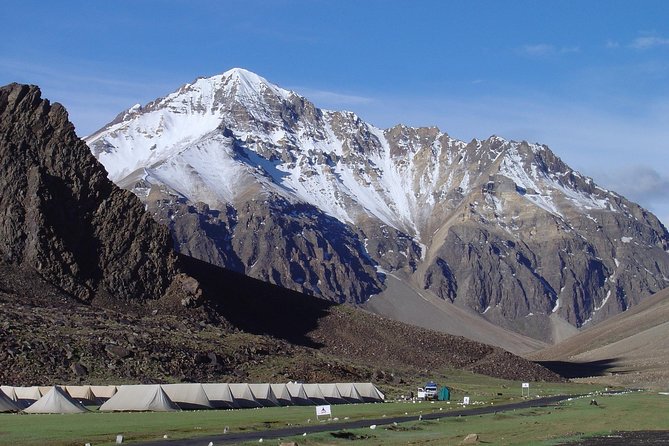
On the way to Agra, Fatehpur Sikri adds an abandoned palace city to the route. Its courtyards and buildings are spread across a large complex, so comfortable shoes are sensible. Entry is extra, as it is at most major monuments on this itinerary.
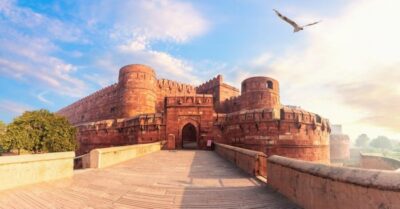
Agra Fort follows, with a professional guide scheduled to explain the site. The fort is more than a supporting stop before the Taj Mahal. Its walls, courtyards, and views toward the Taj help explain the power and family stories behind Mughal Agra.
The next morning begins before breakfast at the Taj Mahal. Seeing it at sunrise is one of the smartest choices on the entire trip. The early timing gives you a cooler, quieter visit and better light for the white marble, although the ticket is not included.
After breakfast, the route continues to Orchha, a smaller town known for Hindu temples and medieval palaces. Orchha is valuable because it slows the rhythm after Delhi, Jaipur, and Agra. Day seven gives you more time for the Rama temple, a palace, town views, and leisure.
That extra half-day is welcome. The overall trip contains many major stops, and Orchha gives you room to wander without the same pressure to cover a famous checklist. The fort and town entries should still be confirmed, since admission arrangements vary by site.
A completely different kind of day out:
- Full Day Taj Mahal, Agra Fort & Baby Taj Tour from Delhi by Car
★ 5.0 · 3,647 reviews - From Delhi: Taj Mahal & Agra Private Day Trip with Transfers
★ 4.9 · 3,181 reviews - Taj Mahal Tour from Delhi by Express Train (Viator Award Winner)
★ 5.0 · 2,849 reviews - All Inclusive Private Taj Mahal Luxury Tour from Delhi by Car
★ 5.0 · 2,564 reviews
Khajuraho and Varanasi change the mood
Khajuraho receives a full day for its western and eastern temple groups, which are UNESCO-listed. The carved temple exteriors are the main reason to come, and five hours is a reasonable amount of time for seeing both complexes without turning the visit into a sprint.
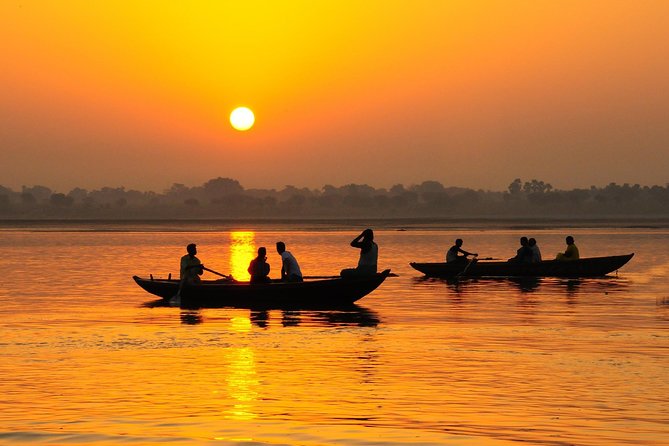
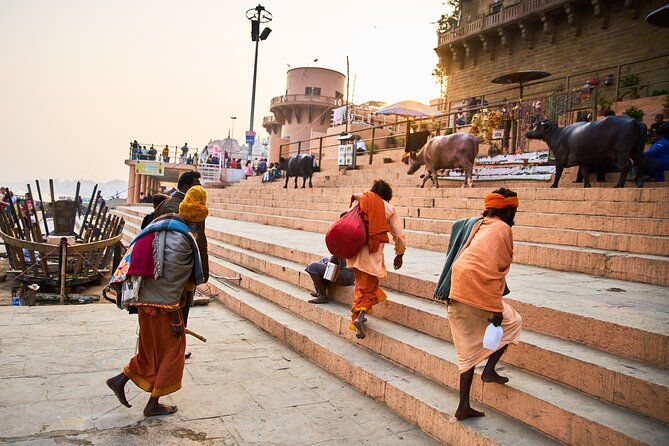
You then reach Varanasi, where the focus shifts from palace architecture to living religious practice. The evening Ganga Aarti ceremony takes place beside the river, with lamps and ritual offered to the gods. It can be visually powerful, but it is also a serious religious event, so respectful clothing and behavior matter.
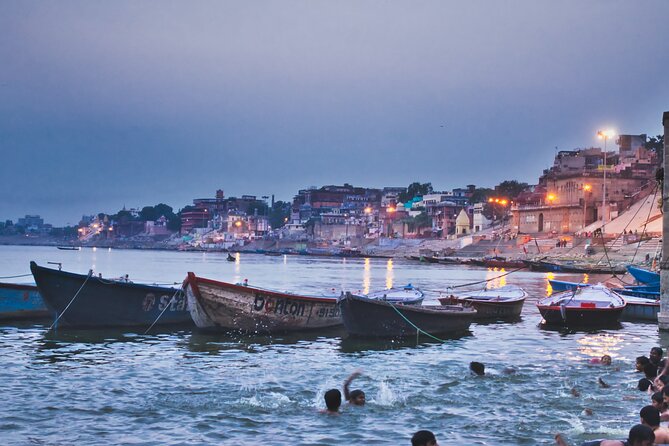
The following morning, a boat ride on the Ganges offers a different view of Varanasi. From the water, you see the ghats, temples, and cremation areas from a distance. The boat ride is included, and this is one of the clearest examples of the tour offering an experience rather than only a list of buildings.
Sarnath, about six kilometers from Varanasi, adds Buddhist context. It is associated with the Buddha’s first sermon after enlightenment and includes the Dhamek Stupa and a museum. Museum admission is extra.
Alamgir Mosque completes the Varanasi sightseeing. The schedule is full, and Varanasi can be intense, so do not expect a slow, quiet city break. You will get a strong introduction to the city’s religious importance, but the timetable leaves limited room for unscheduled wandering.
Crossing into Nepal requires preparation
Day eleven is a major transport day as you travel from Varanasi toward Lumbini and cross the Nepal border. Bring one passport photograph and $30 for the Nepal visa, as specifically required in the trip details. Check your passport and visa eligibility before departure because border formalities can affect the schedule.
Lumbini is one of Nepal’s most important Buddhist pilgrimage places. The Lumbini Zone gives you time to see the sacred area and reflect on its connection with the Buddha’s birth. The visit is quieter in character than Varanasi and works well as a transition between the two countries.
After Lumbini, you continue to Pokhara, the gateway to the Himalaya. This is another long travel day, so the private air-conditioned vehicle matters. It gives your group more control over stops and comfort than a crowded shared coach, but you should still expect considerable time on the road.
Pokhara adds water and mountain views
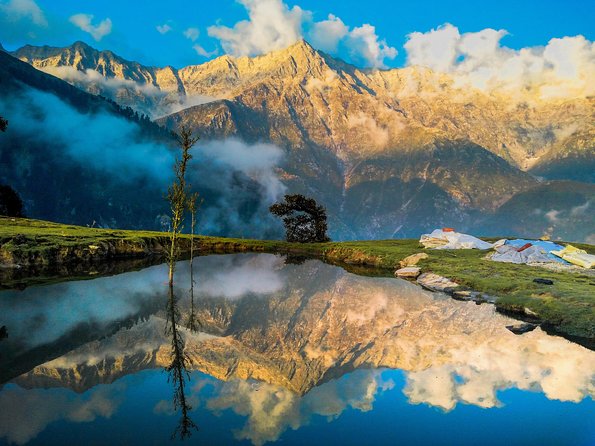
Pokhara’s sightseeing begins at Phewa Lake. The included boat ride carries you across the lake toward Varahi Temple, with views toward the Annapurna massif when weather allows. A Himalayan flight is not part of the package, but one can be requested separately.
Devi’s Fall is a short stop where the water forms an underground tunnel after reaching the bottom. Bindhyabasini Temple, one of the city’s oldest temples, brings you back to local worship and attracts Nepali pilgrims as well as international visitors.
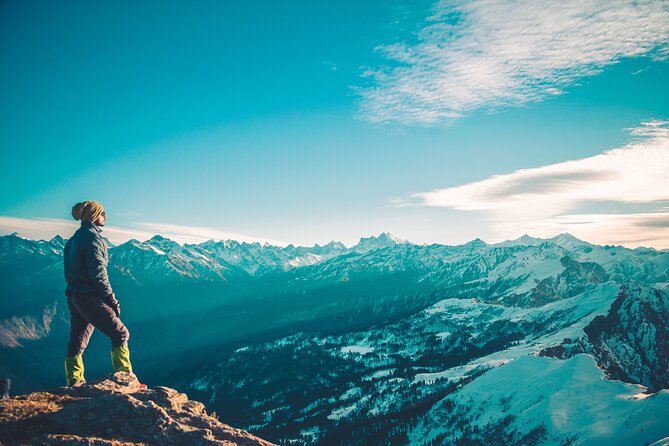
The Sarangkot morning excursion is one of the trip’s best outdoor moments. The plan calls for a moderate trek to see sunrise, so this is not simply a drive to a viewpoint. Wear shoes suitable for walking and expect an early start.
After Sarangkot, the route continues to Kathmandu. The day includes leisure time in the evening, which is useful after several busy sightseeing days. Do not count on a long rest, though, since the schedule still involves a morning walk and a road transfer.
Kathmandu closes with the valley’s great sites
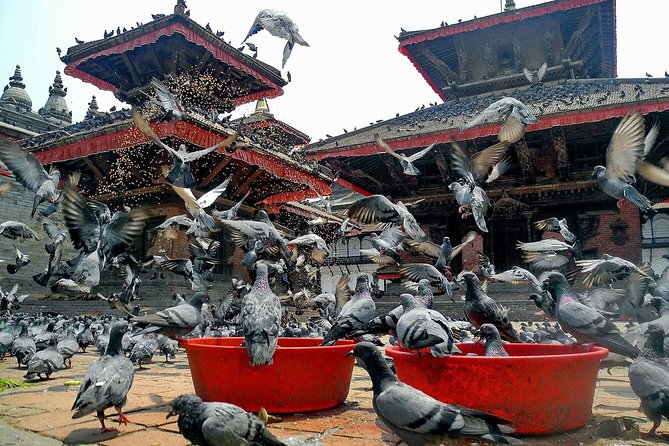
Kathmandu Durbar Square introduces the old royal center, surrounded by temples and important buildings. Entrance is not included, and the square deserves time for its carved details rather than a quick pass through.
Swayambhunath, often called the Monkey Temple, is one of Nepal’s oldest Buddhist worship sites. Its stupa is known for the Buddha’s eyes, and the hilltop location adds a city view. Entry is listed as free in the itinerary, but follow local site rules and dress with care.
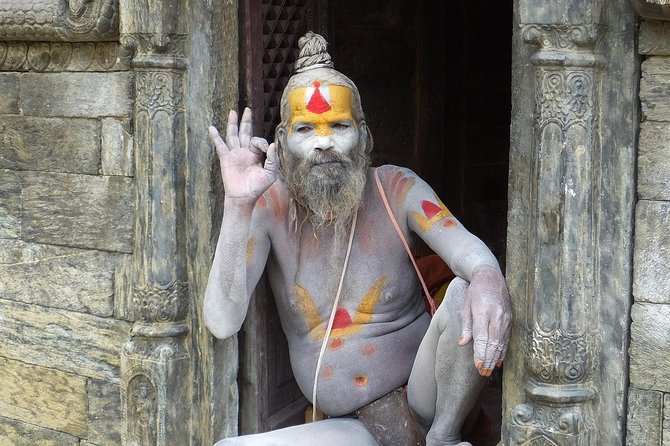
Pashupatinath is Nepal’s most important Hindu pilgrimage site and sits beside the Bagmati River. The temple is dedicated to Shiva. The religious setting can be solemn, especially around the river, so this is a place to observe quietly rather than treat as a photo stop.
The final sightseeing day covers Patan, Bhaktapur, and Boudhanath. Patan Durbar Square is known for its temples, shrines, and detailed carvings. Bhaktapur has preserved more of its medieval character, making the pair a good comparison within the Kathmandu Valley.
Boudhanath is one of the world’s largest spherical stupas and is surrounded by many Tibetan Buddhist monasteries. Admission is not included. The day covers a lot, but these three places give you a strong final look at Nepal’s royal, Hindu, and Buddhist traditions.
Day seventeen provides an airport transfer. The stated endpoint is Tribhuvan International Airport in Kathmandu, while the included flight is from Kathmandu to Delhi. Confirm the flight timing and final transport details before booking, especially if you have an onward international connection from Delhi.
Who should choose this route?
I would recommend it to you if your priority is maximum coverage in limited time. It suits first-time visitors who want major monuments, religious sites, two countries, and private road transport without building the route from scratch.
It also works well for people who value a personal driver and local guides in Delhi, Agra, Jaipur, Orchha, Khajuraho, Varanasi, and Kathmandu. Vegetarian meals can be accommodated if you request that at booking, but lunch and dinner remain your responsibility.
I would hesitate if you prefer slow mornings, long stays, or independent changes to the schedule. Several days combine early starts, road travel, and multiple monuments. The coordination concerns also mean you should be comfortable checking details and speaking up when something is unclear.
The 100 percent recommendation rate and five-star overall rating from 43 ratings are encouraging, while one four-star assessment points to communication and coordination as the main weakness. That is useful guidance: the route and value are strong, but organization deserves your attention.
Should you book the Essence of Magnificent India and Nepal?
Book it if you want a private, budget-conscious grand tour with the Taj Mahal, Varanasi, Pokhara, and Kathmandu all in one trip. The itinerary packs in an impressive amount, and the rickshaw ride, Ganges boat trip, sunrise at the Taj, and Sarangkot walk keep it from feeling like a parade of bus windows and entrance gates.
Before paying, ask for a written breakdown of hotel names, daily pickup times, monument visits, border arrangements, and the Kathmandu to Delhi flight. Add roughly $230 for listed entrance fees and the Nepal visa, then plan for meals and personal expenses. If that full cost works for you and you can handle a fast pace, this is a strong value for a first visit to northern India and Nepal.
FAQ
How long is the tour?
The tour lasts approximately 17 days, including 16 hotel nights and the final airport transfer.
Where does the tour start?
Pickup is offered from Indira Gandhi International Airport or another central location in New Delhi. The listed start time is 8:00 am.
Where does the tour end?
The listed endpoint is Tribhuvan International Airport in Kathmandu, Nepal.
Are hotels included?
Yes. Accommodation in three-star hotels with air conditioning and private bathrooms is included according to the itinerary.
Is breakfast included?
Yes. Seventeen breakfasts are included.
Are lunch and dinner included?
No. Lunch and dinner are not included in the tour price.
Are monument entrance tickets included?
Most monument admission fees are not included. The listed estimate for all monument tickets is about $200 per person.
Is the Nepal visa included?
No. The Nepal visa costs $30 per person, and you should prepare one passport photograph for the border crossing.
Is the Kathmandu to Delhi flight included?
Yes. One flight from Kathmandu to Delhi is included, with 20 kilograms of checked luggage and 10 kilograms of hand luggage.
Just added in New Delhi
- Old Town Delhi Walking Tour (2 Hours Guided Tour with Local)★ 4.5 · 22 reviews
- Yoga class in Delhi★ 5.0 · 29 reviews
- Unveil Old Delhi’s Food, Spice Market & Heritage Walk★ 5.0 · 26 reviews
- Vegetarian : Private Cooking Class in Delhi home ( Learn 7 meal)★ 5.0 · 58 reviews
- Private Taj Mahal & Agra Fort Tour, Dine with a View★ 5.0 · 27 reviews
- Private 2-Day Agra & Delhi Tour by Car–Includes Taj Mahal Sunrise★ 5.0 · 11 reviews
- Tour to Akshardham temple with Guide and Delhi Transfer★ 5.0 · 26 reviews
- Private Tour of Taj mahal from Delhi by Train in 90 Min★ 5.0 · 46 reviews
New Delhi Tours, compared.
Old & New Delhi City Tour – Half or Full Day Options Available
Read our review →
Same Day Taj Mahal, Agra Fort & Baby Taj Tour from Delhi by Car
Read our review →
Taj Mahal Day Tour from Delhi by Superfast Train – TOP RATED TOUR
Read our review →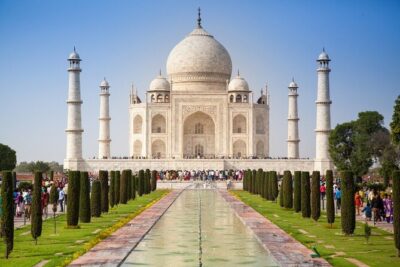
Full Day Taj Mahal, Agra Fort & Baby Taj Tour from Delhi by Car
Read our review →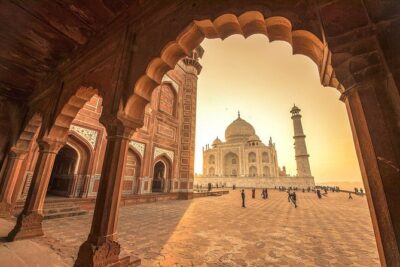
Taj Mahal & Agra Private Day Trip with Transfers
Read our review →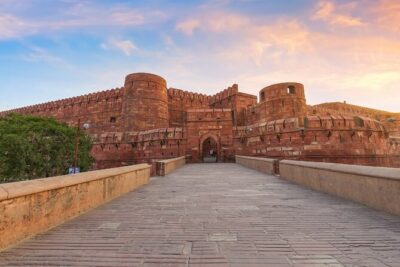
Taj Mahal Tour from Delhi by Express Train (Viator Award Winner)
Read our review →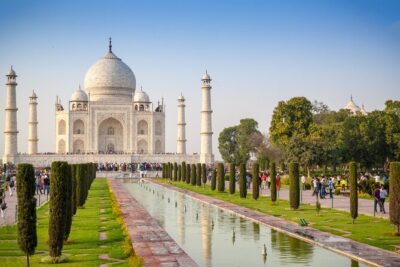
All Inclusive Private Taj Mahal Luxury Tour from Delhi by Car
Read our review →