
Reviewed · MARKETS AND BAZAARS
Chandni Chowk Old Delhi Food Tour with Spice Market
Old Delhi is best tasted on foot. This three-hour tour makes the maze of Chandni Chowk easier to handle, pairing vegetarian street food with spice markets, old havelis, temples, and a short cycle rickshaw ride. I like the rooftop view from Gadodia Market, and I like that refreshments and snacks are included rather than left to chance. The main consideration is pace: this is a walking tour through crowded lanes, so you need good mobility and patience.
I also like the local focus. You are not simply passing the Red Fort and taking a few photos. You visit Khari Baoli, Asia’s largest spice market, browse Kinari Bazaar’s wedding decorations, and see working parts of Old Delhi where people live and trade. If your guide is Gajendra, expect a friendly host who explains each food as you try it. Achaleshwar has also been praised for answering questions and offering practical Delhi tips.
In This Review
- Key points at a glance
- Why Chandni Chowk works better with a guide
- Digambar Jain Lal Mandir and the birds hospital
- Gurudwara Sis Ganj Sahib and the free kitchen
- Khari Baoli, Asia’s great spice market
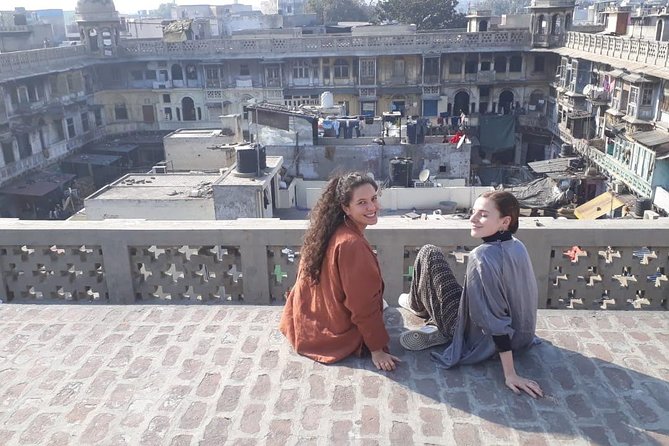
- Gadodia Market and the old haveli rooftop
- Kinari Bazaar and Naughara’s old havelis
- Vegetarian snacks, tea, and the cycle rickshaw ride
- What the $45 price really covers
- Who should book this Old Delhi walk
- Timing, cancellations, and practical planning
- Final call: is this Chandni Chowk tour worth it?
- FAQ
- How long is the Chandni Chowk Old Delhi Food Tour?
- Where does the tour start?
- Where does the tour end?
- What food and drinks are included?
- Is a cycle rickshaw ride included?
- Is shopping included in the price?
- How many people can join the tour?
- Can I cancel for a full refund?
Key points at a glance
- Khari Baoli has more than 1,000 spice shops: Expect strong aromas, tight lanes, and a close view of one of Old Delhi’s great working markets.
- Gadodia Market provides a rooftop view: The old haveli gives you a bird’s-eye look at the city after exploring the spice district at street level.
- Kinari Bazaar is made for wedding details: Its shops sell decorative items, wedding supplies, dress trim, and home decorations.
- The food is vegetarian street fare: Coffee or tea, snacks, and refreshments are included, while shopping costs extra.
- A cycle rickshaw ride breaks up the walking: It adds local flavor, though the ride is short rather than a major sightseeing journey.
- The group can reach 20 people: A guide is useful here, but a larger group may feel less nimble in narrow market lanes.
Why Chandni Chowk works better with a guide
Chandni Chowk is not difficult because the sights are far apart. It is difficult because the streets twist, the markets overlap, and the crowds can make simple navigation tiring. A guide gives you a route through the confusion and keeps the three-hour outing focused.
I would not choose this experience if you want a quiet food lesson in a seated restaurant. The appeal is the setting. You eat and walk while the market carries on around you. You may pause beside a temple, pass a busy shopfront, or squeeze through a lane where trade and daily life happen only a few feet apart.
This is also a useful choice for a first visit to Old Delhi. You get a guided introduction without committing to a full-day tour. The meeting point is by Gate 1 of Lal Quila metro station, near Shani Mandir and Lajpat Rai Market. The tour returns to that same meeting point, which makes the route simple to manage.
The mobile ticket is practical, and confirmation is provided at booking. Public transportation is nearby. The tour allows up to 20 people, and most people can take part, but the walking, crowds, and uneven flow of the markets mean you should be comfortable staying on your feet.
More Food Tours in New Delhi
- The Great Indian Food Tour: Old Delhi Food and Heritage Walk
★ 5.0 · 1,698 reviews - Old Delhi Street Food Tour
★ 5.0 · 497 reviews - Delhi Food Walk: Rickshaw Ride, Street Eats & Market Tour
★ 5.0 · 401 reviews
Digambar Jain Lal Mandir and the birds hospital
The Digambar Jain Lal Mandir dates to 1656 and gives the tour an early change of mood. Instead of beginning with food alone, you start among religious architecture and a temple known for its gold-plated paintings.
The temple also has a birds hospital, an unusual detail that adds human interest to the visit. It is the sort of small feature you could easily miss when touring independently, especially in a district filled with louder sights and busy commercial streets.
Timing matters here. The temple is closed from noon until 5 p.m. If your tour falls in that period, this stop may not be available in the same way. Check the start time before booking if seeing the temple is important to you.
You should treat this as a respectful cultural stop, not a photo opportunity alone. The tour moves through an active religious area, so listen to the guide’s instructions and follow any temple rules.
Gurudwara Sis Ganj Sahib and the free kitchen
Gurudwara Sis Ganj Sahib is dedicated to the ninth Sikh Guru, Teg Bahadur. Its golden dome makes it one of the more recognizable religious buildings in this part of Old Delhi, but the most meaningful part of the visit may be the langar, or free kitchen.
Each day, more than 10,000 people eat there, and visitors can see the service that helps keep the kitchen running. This offers a direct look at Sikh hospitality and community life. You are seeing a place that serves people every day, not a historic building preserved only for sightseeing.
The stop works well beside the food theme. The snacks on the tour are part of a market walk, while the langar shows food as service and shared responsibility. Those are different experiences, but together they make the tour about more than tasting.
The exact amount of time at the gurudwara is not specified, so do not expect a long guided lesson inside. The value comes from having the site included and from getting enough context to understand why the kitchen matters.
Khari Baoli, Asia’s great spice market
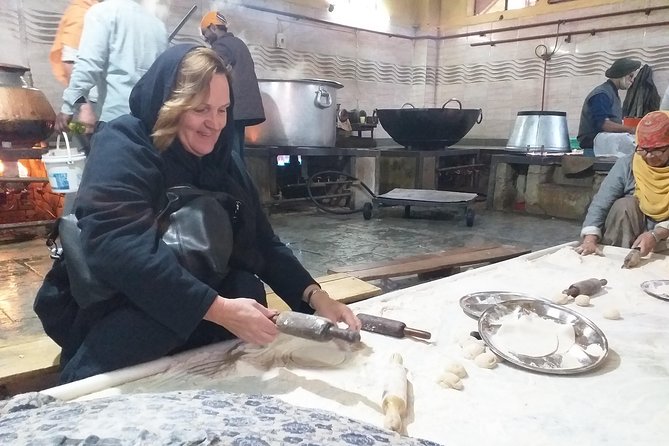
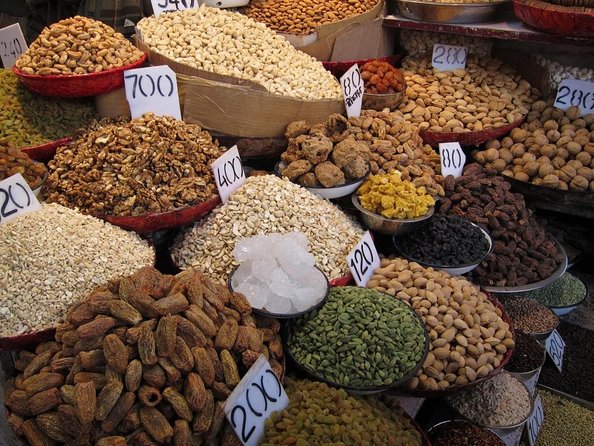
Khari Baoli is the tour’s most sensory stop. With more than 1,000 shops, it is described as Asia’s biggest spice market, and 20 minutes gives you a quick but useful look at this enormous trading district.
You may find the air thick with the smell of spices, though the experience can vary by route and market activity. The important point is that this is a working market, not a staged food attraction. Shops sell goods, people move supplies, and the lanes can feel tight and intense.
A guide earns their keep here by helping you understand what you are seeing. Without one, you might walk through a few spice shops and leave with little sense of the market’s scale. With a guide, you can connect the sacks, aromas, shops, and lanes to Old Delhi’s wider food culture.
The 20-minute stop is short. That is a strength if you want variety in a three-hour tour, but it is a limitation if you hope to browse every section. Shopping is not included, so plan to pay separately for anything you decide to buy.
More Markets and Bazaars in New Delhi
- Old Delhi Street Food Tour – Explore Spices in Chandni Chowk
★ 5.0 · 334 reviews - Old Delhi Food-Spice Market-Temples Tour Soon Featured on NETFLIX
★ 5.0 · 304 reviews - Chandni Chowk Delhi Food Tour with 15+ Tastings
★ 5.0 · 285 reviews - Old Delhi & Spice Market Tour
★ 5.0 · 98 reviews
Gadodia Market and the old haveli rooftop
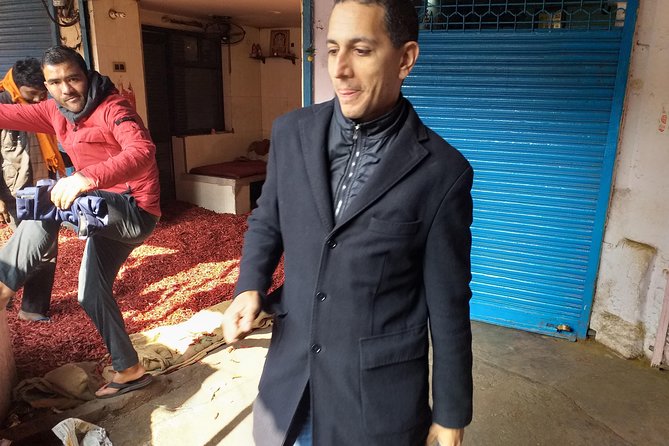
Gadodia Market forms part of the spice district, but it has a different feel because it occupies an old haveli. The tour presents it as a small spice village, where people live and work in the same setting.
That mix is worth noticing. Old Delhi is not a museum district. Residential life, trade, religious sites, and tourist interest sit close together. Walking through Gadodia Market lets you see how an old building can still serve as a place of business and home life.
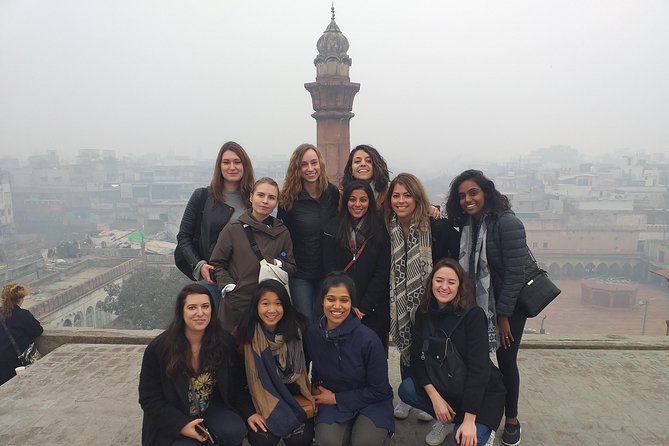
The rooftop is the highlight. From above, you get a bird’s-eye view of Old Delhi, which helps make sense of the narrow streets you have just walked. Twenty minutes is allotted here, enough for a short look and photographs without turning the stop into a long pause.
The rooftop access also means stairs may be involved, although the information provided does not specify the exact route or condition. If you have concerns about stairs or standing for long periods, ask the operator before booking.
Kinari Bazaar and Naughara’s old havelis
Kinari Bazaar shifts the focus from spices to celebration. Its shops sell wedding decorations, decorative items for women’s clothing, and materials for home decoration. This is a good reminder that Old Delhi’s markets are highly specialized. A lane may serve one trade so closely that it feels like a separate world.
The tour allows about 30 minutes here, making it one of the longer market stops. You have more time to notice colors, textures, shop displays, and the small details used in Indian weddings and dress.
You also visit Naughara, a group of havelis said to be about 350 years old. This gives the market walk an architectural layer. You are not just looking at merchandise. You are moving through older residential buildings that remain part of the district’s character.
As with Gadodia Market, the setting is active rather than polished for sightseeing. Expect close lanes and working shops. If you enjoy browsing and details, this may be your favorite stop. If you prefer grand monuments and open spaces, it may feel cramped.
Vegetarian snacks, tea, and the cycle rickshaw ride
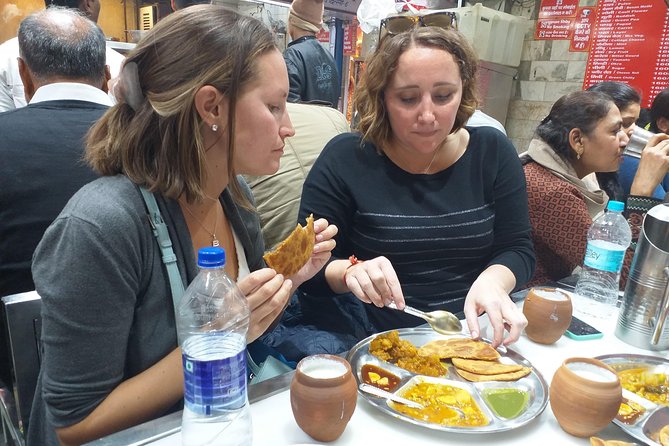
Food is central, but the exact snack menu is not specified. The tour includes vegetarian street food, coffee or tea, and refreshments. That gives you several chances to sample local flavors without paying for each small bite along the way.
The food is best viewed as a tasting introduction, not a full meal. You should not book this expecting a restaurant lunch or a carefully timed culinary class. The pleasure comes from trying snacks in the same district where Old Delhi’s food culture operates.
A guide can make a big difference here. Gajendra has been praised for explaining the foods and leading visitors through winding streets. That kind of commentary helps you understand what you are eating instead of treating each snack as an anonymous sample.
Achaleshwar has also been singled out for answering questions and sharing practical tips. That is useful on a food walk, since you can ask about ingredients, local customs, or other places to visit in Delhi.
The cycle rickshaw ride provides a welcome change after walking. It is described as a fun ride, but no length or route is given, so think of it as a short local transport experience rather than a major part of the sightseeing. It also gives you a different view of the streets, with the city passing at a slower pace than from a car.
What the $45 price really covers
At $45 per person, the tour is not the cheapest way to wander through Chandni Chowk. You are paying for a guide, a planned route, included refreshments, vegetarian snacks, and a cycle rickshaw ride.
The value depends on how you would otherwise handle Old Delhi. If you are confident navigating crowded markets and choosing street food on your own, you could spend less independently. You would also risk missing the rooftop, temple, market connections, and local explanations that give the area shape.
For a short visit to New Delhi, I think the price can make sense. Three hours is long enough to cover several distinct places but short enough to fit around other sightseeing. The group limit of 20 keeps the price from being a private-tour rate, though a full group may make narrow lanes feel slower.
Shopping is not included. Keep that separate from your tour budget, and do not assume the food allowance covers anything you purchase in Khari Baoli or Kinari Bazaar.
Who should book this Old Delhi walk
I would recommend it to you if you:
- Want a guided first look at Chandni Chowk
- Enjoy street food more than formal dining
- Like markets, religious sites, and old buildings
- Are comfortable walking in crowded areas
- Want a short tour that includes several types of experience
- Prefer public transportation access and a simple return point
It is less suitable if you need a quiet, spacious route or dislike busy streets. It may also be a poor fit if you want a private guide, a long culinary meal, or extensive shopping time.
The tour is best for mobile visitors. The route includes walking through crowded lanes, and the group may reach 20 people. Most people can participate, but you should judge your own comfort with three hours of walking and market traffic.
Timing, cancellations, and practical planning
The Digambar Jain Lal Mandir is closed from noon to 5 p.m., so start time can affect what you see. Weather also matters because the experience requires good conditions. If poor weather cancels the tour, you are offered another date or a full refund.
You can cancel for a full refund up to 24 hours before the start time. Cancellations or changes within 24 hours are not refunded or accepted. The tour also requires a minimum number of participants, and if that minimum is not met, you are offered another date, another experience, or a full refund.
The tour is booked about 20 days ahead on average, which suggests you should reserve early if your Delhi dates are fixed. Still, same-day booking may be possible when space remains. One party booked at the last minute and was pleased with the result, but I would not rely on that during a busy travel period.
Final call: is this Chandni Chowk tour worth it?
Book this tour if you want Old Delhi explained as you walk, eat, and look around. The strongest parts are the spice market, Gadodia rooftop, Kinari Bazaar, and the chance to see the langar at Gurudwara Sis Ganj Sahib. The guides, especially Gajendra and Achaleshwar when available, add the personal touch that makes a crowded district easier to understand.
Skip it if you want a private experience, extensive shopping, or a full meal. At $45, the tour earns its price through access, routing, food tastings, and local guidance rather than luxury. For a first visit to Chandni Chowk, it is a practical and lively introduction to one of Delhi’s most rewarding districts.
FAQ
How long is the Chandni Chowk Old Delhi Food Tour?
The tour lasts approximately three hours.
Where does the tour start?
It starts at Shani Mandir, Gate 1 of Lal Quila metro station, on Netaji Subhash Marg near Lajpat Rai Market in Old Delhi.
Where does the tour end?
The activity ends back at the meeting point.
What food and drinks are included?
The tour includes vegetarian street food snacks, coffee or tea, and refreshments.
Is a cycle rickshaw ride included?
Yes. A cycle rickshaw ride is included in the tour.
Is shopping included in the price?
No. Shopping is not included.
How many people can join the tour?
The tour has a maximum group size of 20 people.
Can I cancel for a full refund?
Yes. You can receive a full refund if you cancel at least 24 hours before the experience start time. Cancellations within 24 hours are not refunded.
Just added in New Delhi
- Yoga class in Delhi★ 5.0 · 29 reviews
- Old Town Delhi Walking Tour (2 Hours Guided Tour with Local)★ 4.5 · 22 reviews
- Unveil Old Delhi’s Food, Spice Market & Heritage Walk★ 5.0 · 26 reviews
- Vegetarian : Private Cooking Class in Delhi home ( Learn 7 meal)★ 5.0 · 58 reviews
- Private Taj Mahal & Agra Fort Tour, Dine with a View★ 5.0 · 27 reviews
- Tour to Akshardham temple with Guide and Delhi Transfer★ 5.0 · 26 reviews
- Private Tour of Taj mahal from Delhi by Train in 90 Min★ 5.0 · 46 reviews
- Private 2-Day Agra & Delhi Tour by Car–Includes Taj Mahal Sunrise★ 5.0 · 11 reviews
Markets and Bazaars, compared.
Delhi Food Walk: Rickshaw Ride, Street Eats & Market Tour
Read our review →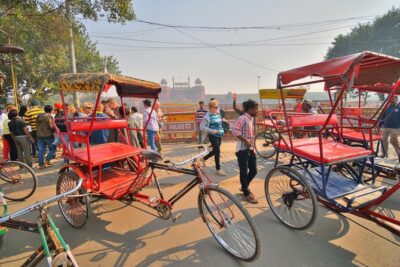
Old Delhi Street Food Tour – Explore Spices in Chandni Chowk
Read our review →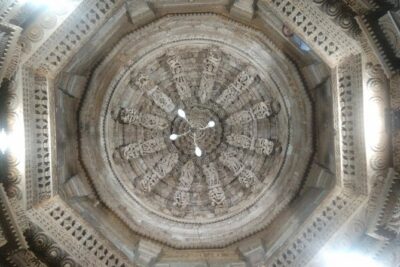
Private Heritage Walking Tour in Jaisalmer Fort and Old Bazaar
Read our review →
Old Delhi Food-Spice Market-Temples Tour Soon Featured on NETFLIX
Read our review →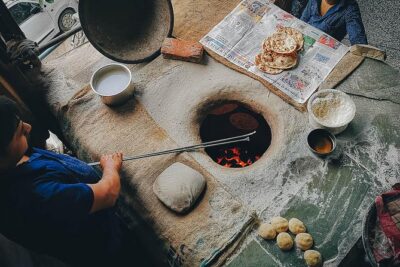
Chandni Chowk Delhi Food Tour with 15+ Tastings
Read our review →
Browse the lists this tour appears in