
Reviewed · AGRA TOURS
Agra City Cultural Walk
Agra wakes before its monuments do. This early-morning walk takes you beyond the Taj Mahal, starting with an eco-friendly battery rickshaw ride before leading you through the old city’s lanes, markets, religious sites, and everyday routines. Guide Arif is praised for clear English, humor, historical detail, and thoughtful service.
I especially like the private format, which lets you ask questions and move at a comfortable pace, and the chance to see Agra as a living city rather than a backdrop for one famous building. The main consideration is the price: at $100 per person for roughly three hours, this makes the most sense if you value a private guide and hotel transport.
In This Review
- Key points to know before booking
- Why this walk adds something different to Agra
- Starting with a quiet ride into the old city
- Agra Fort Railway Station and the city’s changing fortunes
- Shri Mankameshwar Mandir and respectful temple etiquette
- Jama Masjid and a short look at Islamic Agra
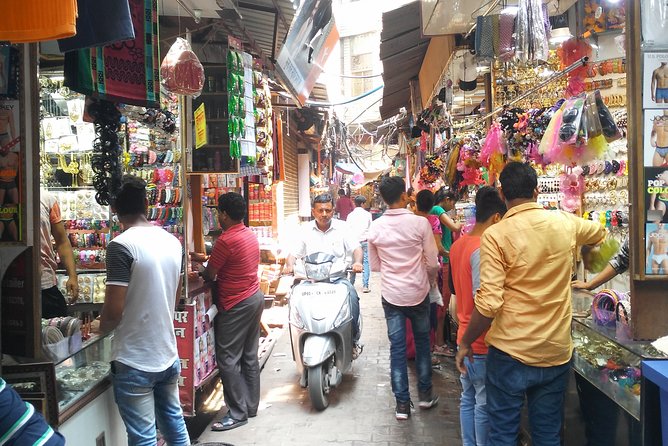
- The old city on foot: markets, lanes, and daily work
- What the three-hour pace feels like
- The guide is the main value at $100 per person
- Who will enjoy this Agra experience most
- Practical advice for a better morning
- Should you book the Agra City Cultural Walk?
- FAQ
- Where does the Agra City Cultural Walk take place?
- How long does the tour last?
- Does the tour begin early in the morning?
- Is hotel pickup included?
- What transport is used at the beginning?
- Is this a private tour?
- Which historic places are visited?
- Are admission tickets included?
- What should I wear?
- Can I cancel for a full refund?
Key points to know before booking
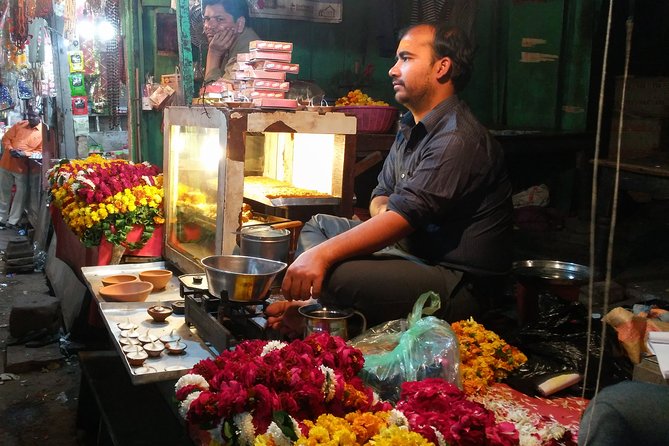
- Early start: You see Agra as shops open, streets stir, and the city begins its day.
- Battery rickshaw transfer: Pickup and drop-off are included, with an eco-friendly ride into the old city.
- Three distinct historic stops: The route includes Agra Fort Railway Station, Shri Mankameshwar Mandir, and Jama Masjid.
- Private attention: Only your group takes part, so you can ask about architecture, religion, markets, and local customs.
- Strong guide reputation: Arif is praised for his English, humor, historical explanations, and helpful travel advice.
- Dress matters: Cover your knees and shoulders because the walk enters both a temple and a mosque.
Why this walk adds something different to Agra
Agra is often treated as a one-stop city. You arrive, see the Taj Mahal, perhaps visit Agra Fort, and leave. That plan covers the grand sights, but it misses the city where people actually work, worship, shop, commute, and meet one another.
This experience shifts the focus to ordinary Agra. The old city is presented through its people, daily habits, religious buildings, railway connections, markets, and architecture. You are not simply looking at old walls. You are trying to understand how a major Mughal city continued to function after its political importance changed.
The early timing matters. Instead of meeting the old city at the height of the day, you enter while it is waking up. That can make the walk feel more natural and less tiring, especially in Agra’s heat. It also gives the tour a clear rhythm: hotel pickup, a short ride, then a slow look at the city on foot.
I would see this as a companion to Agra’s famous monuments, not a replacement for them. The tour does not list the Taj Mahal or the interior of Agra Fort as part of the route. Its appeal lies in the streets between the headline sights.
A few more options to weigh up in Agra
- Agra: Skip-the-Line Taj Mahal & Agra Fort Private Tour
★ 4.9 · 1,546 reviews - Agra: Taj Mahal Express Entry Tickets
★ 4.8 · 684 reviews - Agra: Taj Mahal and Mausoleum Guided Tour with Skip-the-Line
★ 4.8 · 631 reviews
Starting with a quiet ride into the old city
The tour begins early at your hotel. A battery-powered rickshaw takes you toward the old city, where the walking portion begins. This is a useful arrangement because you avoid making the first part of the morning a search for the right lanes or a negotiation over local transport.
The electric rickshaw also fits the mood of the experience. It is not a grand arrival. It is a practical way to move through Agra before you start paying attention to the details around you. Pickup and drop-off are included, and the ride is described as eco-friendly.
The exact pickup time is not given, so you should confirm it when booking. Since the tour is scheduled for early morning, arrange your breakfast and any hotel checkout plans around that start. Bottled water is included, but breakfast is not listed among the inclusions.
Once you leave the rickshaw, expect a walking tour through old Agra’s byways. The description does not promise a fixed number of streets or markets, which may be a benefit. A private walk can respond to the pace of your group and to what is happening around you.
Agra Fort Railway Station and the city’s changing fortunes
The first named stop is Agra Fort Railway Station, with about 10 minutes set aside for history and stories. That may sound brief, but the station is an effective place to begin because it connects Agra’s grand imperial past with its later life under British rule and modern transport.
The station helps frame the city as more than a Mughal capital frozen in time. Agra’s importance changed over the centuries, and the railway became part of the next chapter. A good guide can use one building or transport point to explain how the city developed over time.
Arif’s strongest praise centers on this kind of explanation. He has been described as someone who can explain how Agra’s buildings and neighborhoods developed, while also making the information easy to follow. That is useful on a short walk, where a pile of dates and royal names would quickly become tiring.
You should expect this stop to be an explanation point rather than a long station visit. Ten minutes is enough for context, photographs, and questions, but not for an extended architectural study. The value comes from how the station fits into the larger story of Agra.
Shri Mankameshwar Mandir and respectful temple etiquette
The second stop is Shri Mankameshwar Mandir, a temple visit lasting about 10 minutes. Admission is free. The tour presents the temple through history and stories, so you should expect your guide to explain its place in Agra’s religious life rather than simply point out the entrance.
This is one reason the clothing rule is important. You need clothes that cover your shoulders and knees because the route includes both a Hindu temple and a mosque. Dressing modestly is also a simple way to show respect, not just a condition of entry.
The temple is part of what makes this walk more useful than a general street stroll. You are seeing how religion remains woven into the old city’s daily routine. The short stop will not turn you into an expert on Hindu worship, but it can give you a clearer sense of the city’s faith traditions and built environment.
Follow your guide’s instructions about where to stand, what to touch, and how to behave. The supplied information does not specify footwear rules or photography rules, so ask Arif before taking photographs inside or near the shrine.
A completely different kind of day out:
- Private Guided Taj Mahal Tour with Skip The Line Entry Ticket
★ 5.0 · 562 reviews - Agra: Taj Mahal & Mausoleum Skip-the-Line Tour with Options
★ 4.9 · 456 reviews - Private Guided Tour of Agra
★ 5.0 · 420 reviews - Taj Mahal, Agra Fort, Baby Taj & Mehtab Bagh Private City Tour
★ 5.0 · 391 reviews
Jama Masjid and a short look at Islamic Agra
The route also includes Jama Masjid, with about five minutes listed for history and stories. Admission is free. The stop is short, but it adds an important religious and architectural counterpoint to the temple.
Agra’s identity was shaped by several faith traditions and by the Mughal period. Visiting a mosque after a Hindu temple helps you see the old city as a place where religious buildings sit within working neighborhoods, rather than as isolated museum pieces.
The five-minute estimate suggests a concise explanation from outside or at the entrance, not a lengthy architectural visit. Your clothing should already meet the tour’s modest dress requirement. You should also be prepared to follow any local instructions about footwear, prayer areas, and photography, even though those details are not specified in the tour information.
Because the stop is brief, your guide’s ability to explain the setting matters. Arif is repeatedly praised for making history understandable and answering questions. On this route, that can be more useful than a long prepared speech.
The old city on foot: markets, lanes, and daily work
The named stops are only part of the experience. The main attraction is the walking route through old Agra’s byways, where the focus turns to lifestyle, markets, local architecture, religion, and the morning rush of a city getting started.
This is where you should slow down. Look at shopfronts, notice how buildings meet the street, and watch the change from quiet early hours to a more active morning. The point is not to collect a long list of sights. It is to see how a historic district works.
Arif’s guiding style appears suited to this kind of route. He has been praised for explaining markets, the railway station, temples, architecture, and the history of the old city in clear English. His humor and friendly manner are also important here. A walking tour can feel stiff when every stop becomes a lecture. The available feedback suggests he keeps the conversation relaxed.
The route may also include local food experiences. An Indian street breakfast has been part of at least one outing, but breakfast is not listed as included. Treat it as something to confirm rather than a guaranteed feature, especially if you have allergies, dietary restrictions, or a sensitive stomach.
Small personal touches have also been part of the experience, including perfume gifts for a couple. That is a pleasant gesture, but I would judge the tour on the guide, route, and historical content rather than on whether a gift appears.
What the three-hour pace feels like
The advertised duration is approximately two and a half to three hours. One reported outing lasted three hours, which gives you a useful idea of the upper end. The schedule is long enough for a proper introduction to the old city but short enough to fit into a busy Agra day.
The route includes walking through byways, so moderate physical fitness is required. You should be comfortable standing, walking on uneven urban surfaces, and keeping your attention in a busy historic district. The information does not give a total walking distance or promise regular seating.
The early start is a practical advantage. You can finish the walk with much of the day ahead for other sightseeing. It may also be easier on your energy than attempting the same streets under a strong midday sun.
Still, do not book this expecting a slow café morning. The city is waking, the route is active, and the experience is built around movement and observation. Wear sensible shoes, carry only what you need, and use the supplied bottled water.
The guide is the main value at $100 per person
At $100 per person, this is not a bargain-priced city stroll. You are paying for a private activity, a professional guide, hotel pickup and drop-off, bottled water, and the convenience of an early transfer by battery rickshaw. There are no listed admission charges for the three named stops.
The price becomes easier to justify for a couple or small group that wants personal attention. You can ask why a building looks a certain way, pause over a market detail, or request more explanation about religion and architecture. You are not tied to the questions or pace of strangers.
Group discounts are offered, which may change the calculation for larger parties. Ask for the current group rate before deciding. Since only your group participates, the cost may work better when shared among several people, though the listed price is per person.
The main weakness is that the walk is short and the itinerary is not packed with ticketed monuments. If you mainly want famous architecture, you may get more value from spending this money on a longer private sightseeing day. If you want context and local street life, the price is more defensible.
One useful point is that the guide’s role appears central. Several comments praise Arif’s historical knowledge, English, humor, helpful tips, and ability to make first-time visitors feel comfortable. You are buying interpretation, not just transport.
Who will enjoy this Agra experience most
I would recommend this walk to you if you have already planned the major monuments and want a closer look at the city around them. It is also a good fit if you prefer private guiding, ask many questions, or want help finding places you would not easily locate alone.
It suits first-time visitors who need a simple introduction to Agra’s historical layers. One solo visitor who arranged the tour at short notice found the guide especially helpful in making the Agra visit work. The hotel pickup is useful if you are unfamiliar with local transport or arriving without a detailed plan.
It may be less suitable if you dislike early mornings, have difficulty walking for several hours, or want a long architectural tour inside major monuments. It is also not ideal if you want a food tour, since breakfast is not a guaranteed inclusion.
Families and small groups may appreciate the private setup, but the moderate fitness requirement still applies. Dress restrictions should be explained to everyone in your party before you leave the hotel.
Practical advice for a better morning
Wear lightweight clothing that covers your shoulders and knees. This meets the stated requirement for the mosque and temple and saves you from trying to adjust your clothes at the last minute.
Confirm the pickup time and meeting details in advance. The tour starts early, but no exact hour is supplied. Keep your morning flexible because the walk can last anywhere from about two and a half to three hours.
Ask Arif what the route will include on your date. The three principal stops are clear, but the old-city portion can naturally change with local activity. If you want more general information about Agra, say so early. One piece of feedback specifically wished for more background on Agra and its culture, so this is worth making clear at the start.
Also ask about street food before accepting anything to eat. A local breakfast can be a memorable part of the morning, but it is not listed as included and may not suit every diet.
The tour offers free cancellation up to 24 hours before the start time. Changes or cancellations made inside that window are not accepted for a refund. Since the experience requires good weather, poor conditions may lead to a new date or a full refund.
Should you book the Agra City Cultural Walk?
Book it if you want Agra explained through its streets, religious buildings, railway past, and morning routines. The private format, hotel transport, and guide Arif’s repeated praise for clear English and engaging storytelling give this short tour real purpose.
Think twice if $100 per person feels high for a three-hour walk or if your priority is entering major monuments. This is not a substitute for the Taj Mahal or Agra Fort. It is a useful addition for someone who wants to understand the city beyond its postcard view.
My call: a strong choice for a first or second day in Agra, especially for couples, solo visitors, and small groups who value a friendly guide and a close look at local life.
FAQ
Where does the Agra City Cultural Walk take place?
The experience takes place in Agra, India, with the walking portion focused on the old city.
How long does the tour last?
It lasts approximately two hours and 30 minutes to three hours.
Does the tour begin early in the morning?
Yes. It is an early-morning experience designed to show Agra as the city wakes up.
Is hotel pickup included?
Yes. Hotel pickup and drop-off are included.
What transport is used at the beginning?
A battery-powered, eco-friendly rickshaw takes you from your hotel to the old-city area, where the walking tour begins.
Is this a private tour?
Yes. Only your group participates in the activity.
Which historic places are visited?
The named stops are Agra Fort Railway Station, Shri Mankameshwar Mandir, and Jama Masjid.
Are admission tickets included?
The listed stops show free admission. The tour also includes a professional guide, hotel transport, and bottled water.
What should I wear?
Wear clothing that covers your knees and shoulders because the route includes a mosque and a temple.
Can I cancel for a full refund?
Yes, if you cancel at least 24 hours before the experience’s start time. Cancellations made less than 24 hours in advance are not refunded. If poor weather causes the operator to cancel, you will be offered another date or a full refund.
Just added in Agra
- Taj Mahal Half Day Tour by Tuk Tuk★ 5.0 · 16 reviews
- 3-Hour Unimaginable Beauty of Taj Private Guided Tour★ 5.0 · 13 reviews
- Private Tour Guide For Taj Mahal And Agra Fort★ 5.0 · 17 reviews
- Taj Mahal Virtual Tour with Local Guide(Online Experience )★ 5.0 · 24 reviews
- Taj Mahal & Agra Fort Tour from Agra City★ 5.0 · 30 reviews
- Taj mahal Private Tour with Entry Ticket and Guide★ 5.0 · 42 reviews
- From Agra: Skip-the-Line Taj Mahal & Agra Fort Private Day Tour★ 5.0 · 25 reviews
- Taj Mahal & Agra Fort Tour with Fatehpur Sikri from Agra★ 5.0 · 13 reviews
Agra Tours, compared.
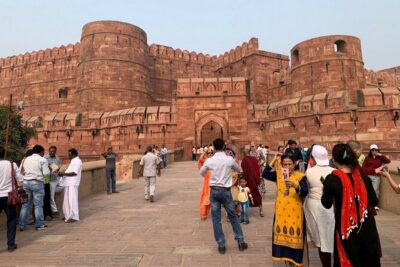
Skip-the-Line Taj Mahal & Agra Fort Private Tour
Read our review →

Taj Mahal and Mausoleum Guided Tour with Skip-the-Line
Read our review →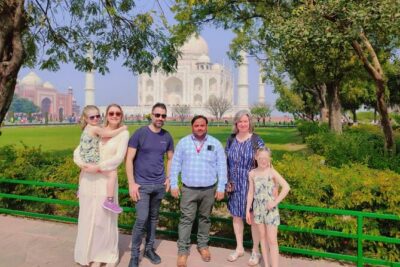
Private Guided Taj Mahal Tour with Skip The Line Entry Ticket
Read our review →
Taj Mahal & Mausoleum Skip-the-Line Tour with Options
Read our review →

Taj Mahal, Agra Fort, Baby Taj & Mehtab Bagh Private City Tour
Read our review →
Taj Mahal Skip-the-Line Guided Tour with Optional Add-ons
Read our review →Browse the lists this tour appears in